Introduction: Overview of the Devastating Wildfires in Georgia and Florida
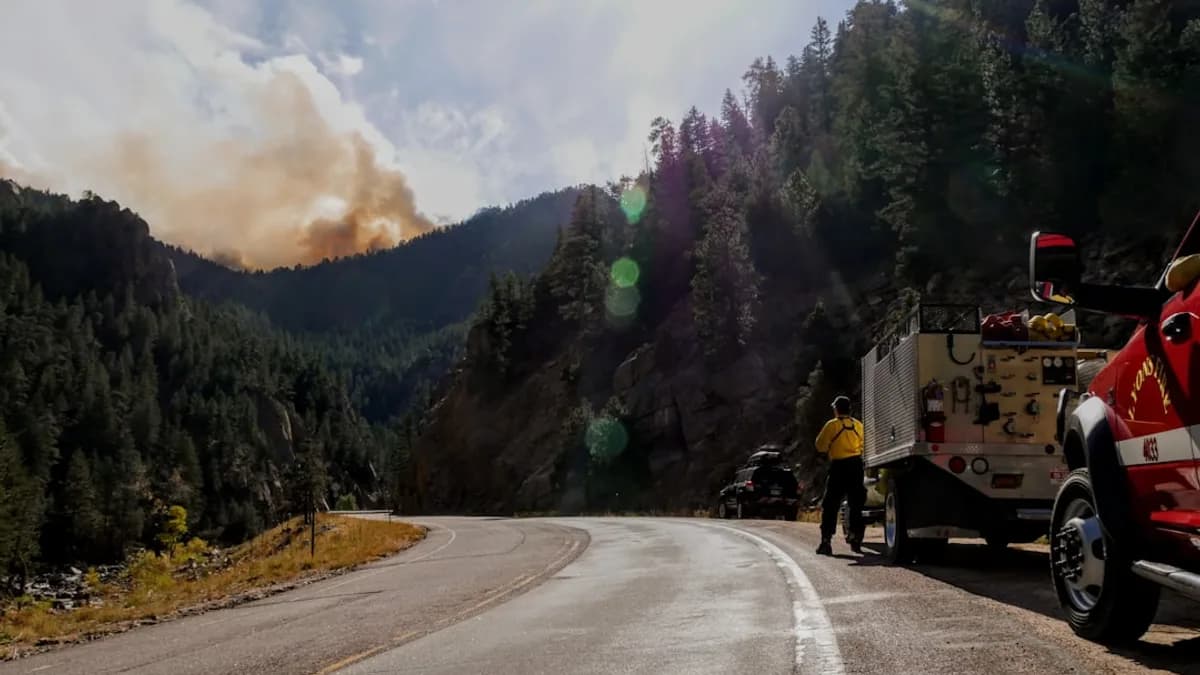
Wildfires have torn through parts of Georgia and Florida, burning tens of thousands of acres, destroying homes, and forcing families to leave their neighborhoods [Source: Google News]. In South Georgia, one fire has scorched nearly 30,000 acres. Entire communities are under evacuation orders as flames threaten more houses. The damage is so severe that officials called in the National Guard and declared a state of emergency for several counties. Local fire departments, state forestry teams, and emergency crews are working nonstop to keep the fires from spreading further. People are anxious, and the smell of smoke hangs heavy in the air. With homes lost and roads blocked, the wildfires are causing chaos and heartbreak across the region.
Current Status and Impact of Wildfires in Georgia and Florida
The South Georgia wildfire keeps growing fast. Right now, nearly 30,000 acres are burning, and the fire is moving across multiple counties. It’s one of the biggest wildfires in recent history for the area. Many families in Brantley County have lost their homes as the fire rages out of control [Source: Google News]. Firefighters are struggling to get ahead of the flames, but dry land and strong winds make their job tough.
The Georgia Forestry Commission has responded to 34 new wildfires in just a few days. Crews are stretched thin, and local agencies are calling in extra help. The National Guard is now helping with evacuations and protecting neighborhoods. Roads are closed, and some towns look like ghost towns as people flee. State officials are warning residents to prepare for more evacuations if the fires spread.
Emergency shelters have opened for families who lost their homes or had to leave. Volunteers are handing out water, food, and blankets. Fire engines and helicopters are working around the clock, but the fires are not slowing down. The thick smoke is making it hard for people to breathe, and some schools have closed because of poor air quality. For many, this wildfire feels scarier and bigger than ones they’ve seen in the past.
Environmental and Climatic Factors Fueling the Wildfires
Drought and heat are making these wildfires worse. South Georgia and much of Florida are in a dry spell. Rainfall has been low, and the ground is parched. When the land dries up, grass, leaves, and pine needles become easy fuel for fire. High temperatures add to the problem, drying out plants even more.
Wind is another factor. Strong gusts can push flames quickly from one area to another. This means fires can jump across roads or spread to neighborhoods in just hours. Climate change is also playing a role. Scientists say the southeastern U.S. is seeing hotter summers and longer dry periods. This makes wildfires more likely and more intense [Source: Google News].
Local vegetation matters, too. Georgia and Florida have lots of pine forests and thick brush. These plants burn easily. In some places, land management practices—like not clearing dead wood or letting brush pile up—make fires worse. Past wildfires have shown that areas with cleared brush and healthy trees burn less severely. But keeping up with land management is costly and takes a lot of work.
Challenges in Wildfire Management and Emergency Response
Fighting these wildfires is hard for many reasons. First, the fires are spreading fast. Dry land and strong winds mean crews have to move quickly just to keep up. Firefighters often need to work long hours, sometimes with little rest, to protect homes and slow the flames. There aren’t enough workers or equipment to cover every area at once.
Helicopters and fire engines are expensive to run. Some towns don’t have enough money or gear to fight big fires. When multiple fires break out at the same time, resources get stretched thin. Fire crews also rely on volunteers, who may not have the same training as professionals.
Coordinating the response is tricky. Local, state, and federal agencies all need to work together. But every agency has its own rules, and communication can break down. During emergencies, getting people and supplies to the right place quickly is a challenge. The National Guard helps, but even they can’t cover everything. Large-scale emergencies often reveal gaps in planning and funding.
Wildfire experts say more training and better equipment could help. But with fire seasons getting longer and more intense, keeping up will require more money and new strategies.
Social and Economic Consequences for Affected Communities
Wildfires hit families hard. Many people have lost their homes and everything inside. Some had only minutes to grab a few things and leave. Schools and businesses have closed, so kids can’t go to class, and parents can’t go to work. The sense of loss is everywhere.
The local economy suffers, too. When homes burn or people can’t work, money stops flowing. Property values can drop after a fire. Insurance rates often go up, making it harder for families to rebuild. Some stores and farms may not recover, hurting jobs and local food supplies.
Mental health is a big concern. People feel stressed, anxious, and sad after losing their homes. Community support groups are springing up, but not everyone can get help. Past disasters show that emotional scars last long after the fire is out. Still, people are trying to stay strong. Neighbors help each other clean up, and volunteers give support. Community resilience is tested every day, and rebuilding will take time.
Preventive Measures and Policy Recommendations to Mitigate Future Wildfires
Georgia and Florida have wildfire prevention plans, but recent fires show gaps. Controlled burns, where teams set small fires to clear brush, can help. But these burns are risky and cost money. Early warning systems—like fire alerts sent to phones or radios—could give people more time to evacuate. Right now, some towns don’t have good warning systems or enough staff to run them.
Land management needs more attention. Clearing dead trees and brush can slow fires, but it’s labor-intensive. Some experts suggest hiring more workers to do this job, or using machines to clear land faster. Investing in better equipment, like fire-resistant gear and stronger engines, could help crews respond more effectively.
Policy changes could make a big difference. Climate adaptation plans are needed, so communities can prepare for hotter, drier summers. More funding for fire departments, emergency shelters, and training would help. Some states are considering new laws to require safer building materials in areas at risk for wildfires.
Community education matters, too. Teaching people how to make their homes safer—like clearing leaves from gutters or keeping grass short—can reduce risk. Neighborhood fire drills and better evacuation routes could save lives. Leaders need to work together to make sure everyone is prepared.
Conclusion: Lessons Learned and the Path Forward for Wildfire Resilience
The wildfires in Georgia and Florida show how fast disaster can strike and how hard it is to fight. Dry land, heat, and wind make fires worse, and climate change is raising the stakes. Emergency crews do their best, but limited resources and tricky coordination slow the response.
Families and towns face tough losses, from burned homes to shaken spirits. But the crisis also highlights the need for stronger prevention and smarter policy. More funding, better land management, and clear warning systems can help communities stay safer in the future.
Looking ahead, teamwork and forward planning will be key. Leaders, fire crews, and neighbors must keep learning from each wildfire and build resilience together. The region will need ongoing focus on environmental risks and community support to weather future fires—and to come back stronger each time.
Why It Matters
- Thousands of people are displaced and face loss of homes due to the wildfires.
- Emergency resources are stretched thin, impacting response times and public safety.
- The wildfires highlight the increasing threat of natural disasters in the Southeast US.