



Introduction to Virginia’s New Redistricting Map and Its Midterm Impact
Virginia just approved a new congressional map that gives Democrats a better shot at winning more House seats in the next midterm elections. Voters backed the map by a slim margin, making it one of the most closely watched political moves in the state this year. The map redraws district lines and is expected to help Democrats pick up as many as four extra seats in the U.S. House. This shift could tip the balance in Congress and spark new debates about fair elections. With the midterms around the corner, both parties are scrambling to adjust their strategies and messaging. The stakes are high, and the outcome could change the future of Virginia politics [Source: Google News].
Key Features of Virginia’s Approved Redistricting Map
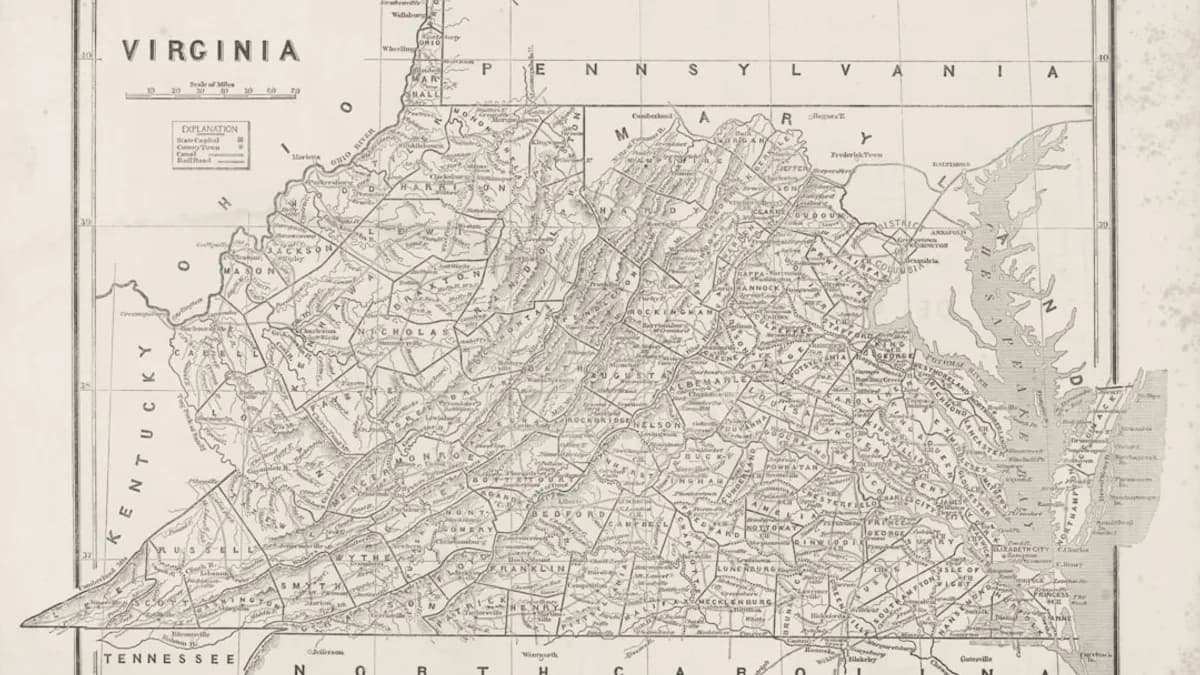
The new map shakes up how Virginia’s congressional districts are drawn. It moves boundaries in ways that favor Democratic voters, especially in areas around Richmond, Northern Virginia, and Hampton Roads. These regions are home to growing populations of young people and minority groups, which tend to vote Democratic. The biggest change is that the map creates four districts where Democrats have a strong chance of winning. Before the change, those seats were much harder for them to get.
For example, the 7th District now includes more suburbs outside Washington, D.C., which have shifted blue in recent years. The 2nd District stretches further into cities with more diverse voters, while the 10th District picks up parts of Loudoun County, a place where Democrats have gained ground. The map also keeps some rural areas together, but those places are shrinking compared to the cities.
Analysts say these changes matter because Virginia is a swing state. Small shifts in district lines can have big effects on who controls Congress. The new map also follows rules about keeping communities together and making sure every district has about the same number of people. But critics argue the map goes too far in helping one party. Still, the approval shows that voters want change and are willing to try new ways of drawing lines [Source: Google News].
Reactions from Political Parties and Analysts on Virginia’s Redistricting
Democrats are celebrating the new map as a big win. Many party leaders say it gives them a real chance to pass laws and push their agenda in Congress. Virginia’s Democratic chair called the map “a path toward fairer representation for all Virginians.” They argue the new districts reflect changes in population and voting habits.
Republicans, on the other hand, are angry. They accuse Democrats of “gerrymandering,” which means drawing districts to help their own party. GOP leaders claim the map is unfair and doesn’t respect the wishes of rural voters. One Republican lawmaker said the new lines “ignore the voices of whole communities just to gain power.” Some have talked about challenging the map in court, hoping to force changes before the next election.
Political experts are split. Some say the map is more balanced than past versions, since it keeps cities and counties together. Others say it still plays favorites, just with different groups. A few analysts point out that Virginia tried a new process this time, letting voters and an independent commission take part. This experiment may keep the map from being as biased as some in other states. But there’s no perfect system, and the debate over fairness will keep going as long as politics is involved [Source: Google News].
Broader Implications of Virginia’s Redistricting for the 2024 Midterms
Virginia’s new map could change the game for the 2024 midterms. If Democrats grab four extra House seats, that’s a big boost in the race for control of Congress. The national Democratic Party is likely to pour more money and resources into Virginia, hoping to cement gains. Republican candidates will have to rethink their strategies, focusing more on suburban and urban voters instead of just rural areas.
Voter turnout could also shift. When people see their district lines change, they might feel more motivated to vote. Some will see new candidates on their ballots. Others may feel like their voices matter more—or less—depending on how the lines were drawn. Campaigns will need to learn about their new voters fast, tailoring their ads and outreach to different neighborhoods.
Nationally, Virginia’s move adds fuel to the debate about fair elections. The approval of the map is seen as a blow to Donald Trump and the GOP, since it makes it harder for them to win in a key state [Source: Google News]. Political insiders say this could push other states to redraw their maps, especially where gerrymandering has been a problem. The story in Virginia shows how redistricting can shape the entire country’s political future, not just one state.
For example, if similar changes happen in Pennsylvania or Georgia, Democrats could swing the House. On the flip side, Republicans are looking for ways to limit these changes, using the courts and state laws to protect their seats. The fight over maps is now one of the most important parts of American politics. Voters, activists, and lawmakers are all paying attention, knowing that small changes in lines can have huge effects on national power.
Contextualizing Virginia’s Redistricting Within National Gerrymandering Trends
Gerrymandering is a hot topic in the U.S., with legal battles popping up in states like Ohio, Texas, and North Carolina. These fights are about who gets to draw the maps and whether they can be trusted to do it fairly. Some states use independent commissions, while others let lawmakers control the process. Virginia tried a mix this year, with voters and a commission working together. This approach is new, and experts are watching to see if it leads to fairer districts.
In places like California, independent commissions have made maps that are less biased, but even there, some groups complain about the results. In Texas, the legislature draws the lines, and critics say the maps are tilted for Republicans. The legal fights can drag on for years, with the Supreme Court sometimes stepping in. But there’s still no nationwide rule for how to make maps fair.
Virginia’s process shows both the promise and the limits of reform. The commission was supposed to stop gerrymandering, but political pressure made it hard to agree on every detail. In the end, voters had the final say, which is rare. Some experts think this is a step forward, since it gives people more power. Others worry that as long as parties care about winning, they’ll always try to tilt the maps their way.
The debate over redistricting is about more than just lines on a map. It’s about who gets a voice in government and whether elections are truly fair. The fight for reform is growing, with groups pushing for national standards and more transparency. But the struggle is far from over, and every state faces different challenges. Virginia’s story is just one chapter in a larger battle for democracy [Source: Google News].
Conclusion: What Virginia’s Redistricting Means for Voters and Democracy
Virginia’s new map could reshape who represents the state in Congress, giving more power to urban and diverse communities. This change may help make elections more competitive, but it also brings new questions about fairness and gerrymandering. The approval shows that voters want a say in how their districts are drawn, but the process is still messy and full of strong opinions.
Redistricting is one of the most important—and most complicated—parts of democracy. For voters, the new map means their voices might count more or less, depending on where they live. Staying informed and pushing for transparency is key, since the fight over maps isn’t going away anytime soon. The way districts are drawn will keep shaping elections for years to come, and everyone has a stake in making sure the process stays open and fair [Source: Google News].
Why It Matters
- Virginia’s new map could shift as many as four House seats to Democrats, impacting national politics.
- The redistricting highlights how demographic changes in urban and suburban areas affect election outcomes.
- This decision underscores the ongoing debate about fair representation and the political influence of map drawing.