

Introduction: Understanding the Hormuz Strait and Its Strategic Importance
The Strait of Hormuz is one of the world’s most crucial maritime chokepoints, connecting the Persian Gulf with the Arabian Sea. This narrow waterway—only about 21 miles wide at its tightest point—serves as the conduit for nearly a fifth of global oil shipments, making it indispensable to international energy markets. Its strategic value stems not only from the massive volumes of crude oil and liquefied natural gas that transit daily but also from its proximity to regional powers such as Iran, Saudi Arabia, and the United Arab Emirates.
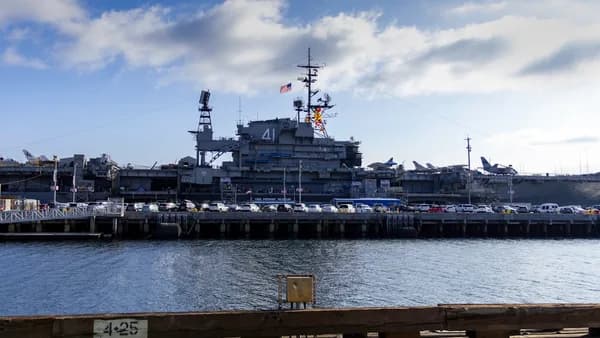
Geopolitically, the Strait is highly sensitive. Iran, which borders the northern side, has repeatedly threatened to restrict passage during times of heightened tension, particularly when faced with US sanctions or military presence. The United States, meanwhile, maintains a significant naval presence in the region to safeguard international shipping lanes. Recent escalations—marked by threats, blockades, and military maneuvers—underscore the volatile nature of the Strait, where any disruption can reverberate across global markets and diplomatic relations.
What Happened During the First Day of the Hormuz Blockade?
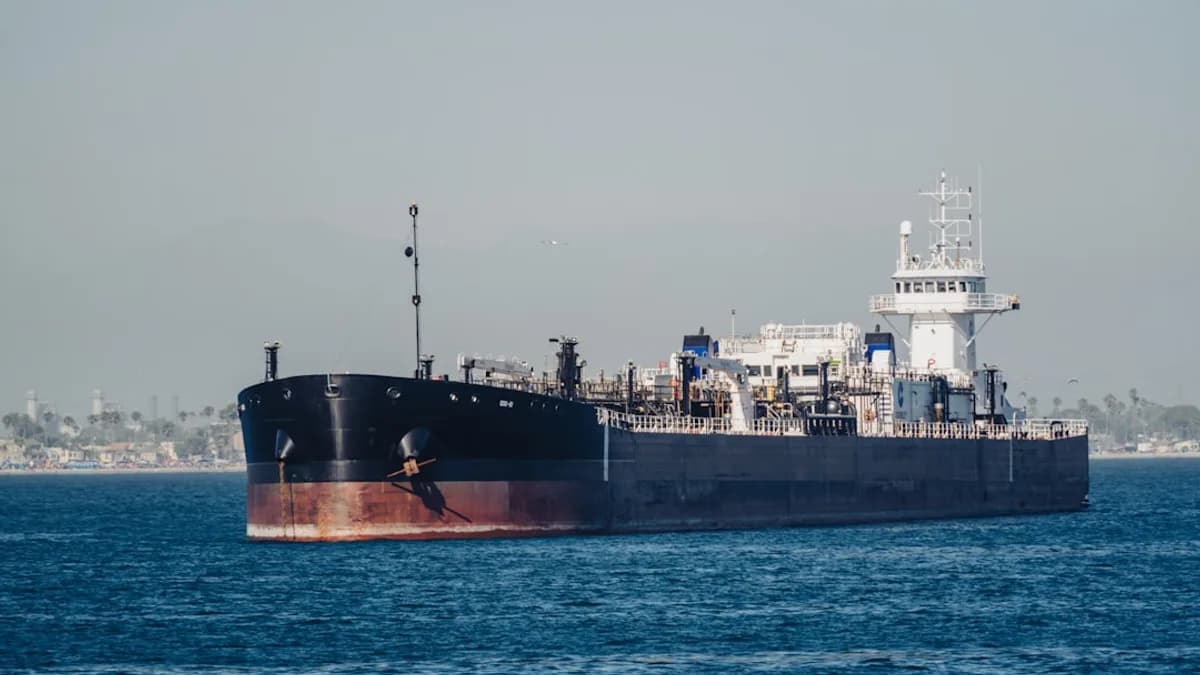
On the first day of the latest blockade of the Strait of Hormuz, the US military reported a notable shift in maritime behavior: six ships made abrupt U-turns, turning back rather than attempting to pass through the strait. This reaction was interpreted as a direct response to the blockade measures and heightened tensions in the region [Source: Source]. US officials suggested that these vessels opted for caution, likely due to concerns over safety and uncertainty regarding the enforcement of the blockade.
Contrasting reports, however, indicate that three ships managed to transit the Strait of Hormuz amid the blockade. Sources from Al Jazeera noted that despite the US and Iranian restrictions, some vessels successfully navigated the passage, highlighting the complex and fluid nature of maritime operations during such crises [Source: Source]. The US military, for its part, clarified that no ships passed during the initial period of the blockade, underscoring the ambiguity and challenges in monitoring vessel movements in real time [Source: Source].
One particularly significant development involved a US-sanctioned Chinese tanker that completed its passage through the strait. This event is emblematic of the broader geopolitical chess game, as China continues to engage in trade with Iran despite Western sanctions. The tanker’s transit not only challenges US enforcement but also signals Beijing’s willingness to test the boundaries of international maritime law and US-led blockades [Source: Source]. These mixed reports reflect the high-stakes environment and the difficulties in achieving total control over the world’s busiest energy corridor.
Why Are Ships Turning Around? The Impact of the Blockade on Maritime Traffic
The decision by several ships to U-turn instead of crossing the Strait of Hormuz is rooted in a combination of safety concerns and compliance with international sanctions. For commercial vessels, the prospect of navigating through a blockade presents significant operational risks, including the possibility of seizure, attack, or being caught in crossfire between military forces. Ship operators often assess the threat level and may choose to reroute or delay voyages when tensions escalate, prioritizing crew safety and asset protection.
Sanctions also play a critical role. With the US and its allies imposing stringent restrictions on Iranian oil exports and entities, vessels risk being targeted or blacklisted if they appear to violate these measures. Insurance premiums for shipping through the strait can spike during periods of crisis, with some insurers refusing to cover transits altogether. This increases the cost and complexity of maritime logistics, potentially affecting the global supply chain for oil and gas [Source: Source].
Operational challenges extend to rerouting strategies. Ships forced to turn around must seek alternative routes, which are often longer and more expensive. This not only delays shipments but also reduces the overall efficiency of international trade. In the broader context, every disruption in Hormuz has a ripple effect: oil prices tend to fluctuate, energy security concerns rise, and shipping companies must recalibrate their risk assessments, all of which underscore the strait’s outsized influence on global commerce.
The Broader Geopolitical Context: US-Iran Tensions and Regional Dynamics
The blockade of the Strait of Hormuz is symptomatic of deep-rooted tensions between the United States and Iran. In recent months, diplomatic relations have deteriorated, marked by sanctions, military posturing, and mutual threats. The US has emphasized its commitment to securing international shipping lanes, while Iran has asserted its right to control regional waters and retaliate against perceived aggression [Source: Source].
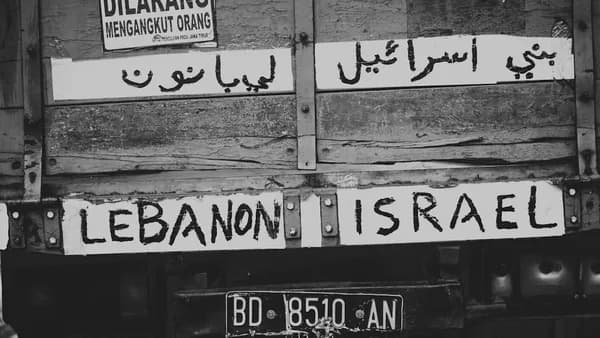
Amid the crisis, other regional actors have begun to play more prominent roles. Lebanon and Israel, for instance, have entered negotiations, seeking to address their own security concerns and avoid escalation. The Guardian reported that these talks may pave the way for broader diplomatic engagement, potentially creating new pathways for conflict resolution [Source: Source]. Meanwhile, former US President Donald Trump suggested that talks with Iran could resume “over the next two days,” hinting at the possibility of a thaw in relations [Source: Source].
The blockade itself is a tactical maneuver within a larger strategic contest. Iran periodically leverages its geographical advantage to exert pressure on the US and its allies, aiming to secure concessions or signal resistance to sanctions. The US, in turn, relies on its naval power and international coalitions to deter Iranian actions and preserve freedom of navigation. This interplay of military and diplomatic efforts shapes the regional dynamics, with each actor seeking to maximize its leverage while minimizing risks.
What Could Happen Next? Potential Scenarios and Global Implications
The immediate future of the Hormuz blockade is uncertain, with several potential scenarios on the horizon. One possibility is escalation: continued blockades, military standoffs, or even direct confrontation between US and Iranian forces could destabilize the region and disrupt international shipping. This would likely drive oil prices higher, strain global supply chains, and prompt urgent responses from major energy-consuming nations.
Alternatively, diplomatic resolution remains possible. Renewed talks between US and Iranian officials, possibly facilitated by regional actors or international organizations, could ease tensions and restore normalcy to the strait. Such an outcome would stabilize energy markets and reassure international shipping companies, though the underlying issues—sanctions, security guarantees, and regional rivalries—would still require long-term solutions [Source: Source].
Global stakeholders are closely monitoring developments. European and Asian countries, dependent on Gulf energy supplies, may push for de-escalation and increased maritime security. International bodies like the United Nations could advocate for freedom of navigation and mediate between conflicting parties. The passage of sanctioned vessels, such as the Chinese tanker, also raises questions about the effectiveness of sanctions regimes and the evolving landscape of maritime law [Source: Source].
In either scenario, the blockade’s impact extends beyond immediate vessel movements. It underscores the fragility of global trade routes and the importance of robust risk management strategies for commercial operators. The outcome will shape not only regional stability but also the broader architecture of international energy security and maritime governance.
Conclusion: The Importance of Monitoring the Hormuz Strait Amid Rising Tensions
The recent blockade of the Strait of Hormuz and the behavior of ships in response underscore the enduring strategic significance of this vital maritime corridor. As tensions between the US, Iran, and other regional actors escalate, the risk of disruption grows, with far-reaching implications for global energy markets and shipping operations. Vigilance remains essential, both for governments and commercial entities, as the situation can change rapidly and unpredictably.
Diplomatic efforts are crucial to ensuring safe passage and maintaining regional stability. The events of the blockade’s first day—ships turning around, sanctioned tankers passing, and ongoing negotiations—highlight the delicate balance between security and commerce. Continued monitoring, dialogue, and international cooperation will be key to preventing escalation and safeguarding one of the world’s most important trade routes [Source: Source].