Introduction: Escalating Tensions Between the U.S. and Iran Amid Ship Seizure
A sudden U.S. seizure of an Iranian cargo ship has jolted already fragile relations between Washington and Tehran, injecting fresh uncertainty into ongoing diplomatic efforts. As former President Donald Trump revealed details of the operation, the move has triggered a sharp response from Iranian officials, who swiftly ruled out any immediate plans for peace talks. This development comes at a critical juncture, with international mediators pushing for renewed dialogue and a possible ceasefire in a region on edge. The ship seizure underscores how flashpoints at sea can reverberate far beyond the Strait of Hormuz, threatening to derail fragile channels of communication and raising the stakes for all parties involved [Source: Source].
Details of the U.S. Seizure of the Iranian Cargo Ship
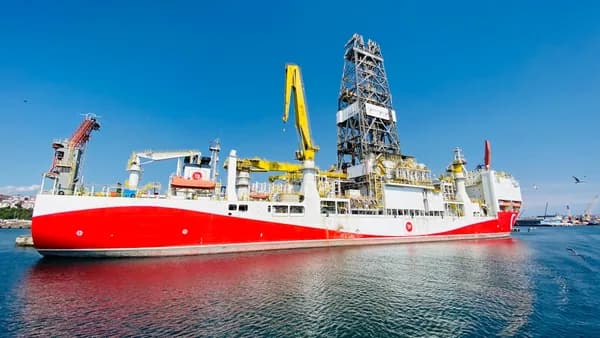
Former President Donald Trump, never one to shy away from headline-grabbing pronouncements, stated that the U.S. had successfully seized an Iranian vessel believed to be involved in sanction-evading activities [Source: Source]. While specifics about the ship and its cargo remain closely guarded by authorities, early reports suggest the vessel was intercepted in international waters, potentially as part of a broader crackdown on illicit shipments linked to Iran’s sanctioned industries.
According to U.S. officials, the operation was justified under existing sanctions regimes targeting Iranian oil, arms, or dual-use goods—areas closely monitored by the Treasury and State Departments. The U.S. government has long accused Iran of using maritime routes to circumvent economic restrictions, funneling resources to proxy groups across the Middle East. By seizing the cargo ship, Washington aims to send a clear signal: attempts to skirt sanctions will carry real consequences.
This latest seizure fits a familiar pattern. Over the past decade, U.S. and allied naval forces have conducted similar interdictions, citing both commercial and security justifications. The timing, however, is notable. With diplomatic talks tentatively scheduled and regional tensions running high, the move risks being interpreted in Tehran as a hostile escalation rather than a routine enforcement action. For Trump, highlighting such a seizure may also serve domestic political purposes, reinforcing a narrative of toughness on Iran ahead of a heated U.S. election cycle.
Iran’s Response: Rejection of Peace Talks and Diplomatic Engagement
Iran’s reaction was swift and unequivocal. Iranian officials, speaking through state media and government channels, categorically dismissed the prospect of near-term negotiations with the U.S. [Source: Source]. "There is no plan for talks," declared a foreign ministry spokesperson, pushing back against speculation that the ship seizure might force Tehran to the negotiating table. Tasnim News Agency, known for its close ties to Iranian security apparatus, reinforced this hardline stance, reporting that no delegation would be dispatched to Pakistan—a possible venue for back-channel diplomacy [Source: Source].
This rejection underscores how deeply the ship’s seizure has complicated diplomatic calculations in Tehran. Iranian leaders have long viewed unilateral U.S. enforcement actions as evidence of bad faith, reinforcing hardliner arguments that Washington cannot be trusted as a negotiating partner. In the context of the region’s broader crisis, the timing could not be worse: just as international actors were hoping to coax Iran toward constructive engagement, this latest incident risks hardening positions on both sides.
For Iran, the public dismissal of talks also serves a domestic purpose. With hardliners ascendant in recent parliamentary elections, the government is under intense pressure to project resolve in the face of perceived U.S. aggression. By signaling an unwillingness to negotiate under duress, Iranian leaders hope to rally nationalist sentiment and avoid appearing weak at a moment of heightened vulnerability.
Regional and International Reactions to the Ship Seizure and Rising Tensions
The ripple effects of the ship seizure have been felt across the Middle East and beyond. Regional powers such as Saudi Arabia and Israel—long wary of Iranian ambitions—welcomed the U.S. enforcement action, viewing it as a necessary check on Tehran’s regional activities. Conversely, Turkey and Qatar called for restraint, warning that any escalation at sea could rapidly spiral into a broader conflict.
International organizations involved in mediation efforts, including the United Nations and the European Union, expressed concern that the incident could derail fragile progress toward de-escalation. UN envoy statements have consistently emphasized the need for restraint and dialogue, echoing calls from European diplomats for confidence-building measures on both sides [Source: Source]. The broader Middle East crisis, including ongoing violence in Gaza and Yemen, means that any new confrontation risks compounding existing humanitarian and security challenges.
For regional actors, the ship seizure is a stark reminder of how quickly a localized incident can upend months of painstaking diplomatic groundwork. With multiple conflicts simmering simultaneously, the margin for error is vanishingly small.
Implications for Upcoming Peace Talks and Ceasefire Prospects
The timing of the U.S. seizure could hardly be more consequential. For months, international mediators have struggled to bring Iranian and U.S. negotiators back to the table, seeking to revive nuclear talks and broker ceasefires in regional hotspots. Yet this latest incident threatens to upend even modest progress.
From a diplomatic perspective, the seizure injects new mistrust into an already volatile negotiating environment. Iranian officials are likely to demand concessions or guarantees before resuming talks—measures that Washington, wary of appearing weak, may be reluctant to offer. Meanwhile, hardliners on both sides are empowered: in Iran, calls for strategic patience are drowned out by demands for confrontation, while in the U.S., skeptics of engagement cite the incident as proof that pressure, not dialogue, is the only viable path.
Looking ahead, several scenarios are possible. The best-case outcome would see both sides use back channels to defuse tensions, perhaps with third-party mediators brokering a face-saving compromise—such as the quiet return of the ship in exchange for a symbolic gesture from Tehran. More pessimistically, the seizure could become a rallying point for further escalation, with Iranian naval forces increasing their own enforcement actions in the Gulf or retaliating through asymmetrical means.
Expert opinion remains divided. Some analysts argue that the incident, while serious, is unlikely to spark full-scale conflict, noting that both governments ultimately benefit from a degree of stability in the oil-rich region. Others warn that the accumulation of provocations—especially when amplified by domestic politics—can create a combustible environment in which miscalculation becomes inevitable.
History offers sobering lessons. Past maritime incidents, including the 2019 tanker seizures and the 1988 downing of Iran Air Flight 655 by a U.S. warship, have repeatedly demonstrated how quickly tensions at sea can trigger wider crises. With communications channels strained and trust at a low ebb, even a minor misstep could have outsized consequences for regional peace.
Conclusion: Navigating a Fragile Peace Amid Heightened U.S.-Iran Hostilities
The U.S. seizure of an Iranian cargo ship has reignited tensions at a precarious moment for the Middle East, casting a long shadow over peace talks and regional stability. Both Washington and Tehran appear locked into confrontational postures, with domestic pressures and deep-seated mistrust making compromise elusive [Source: Source]. Yet, as history shows, even seemingly intractable standoffs can yield to diplomacy—if both sides are willing to take calculated risks for peace.
For policymakers and observers, the message is clear: in an era of heightened hostilities and rapid escalation, sustained diplomatic engagement remains the only viable path to lasting security. The coming weeks will be decisive. Whether the ship seizure becomes a flashpoint for broader conflict or a catalyst for renewed talks will depend on the choices made by leaders in Washington, Tehran, and across the region. The stakes, both for the Middle East and for global security, could not be higher.