Introduction: Defying the US Blockade in the Strait of Hormuz
In a striking development that underscores the complexity of enforcing international sanctions, several US-sanctioned oil tankers have successfully sailed through the Strait of Hormuz, defying a US-led blockade aimed at curbing Iranian oil exports. The Strait of Hormuz, a narrow waterway between Iran and Oman, is one of the world’s most critical chokepoints for global oil shipments, with roughly a fifth of the world’s oil passing through its waters daily. The recent transits come amid heightened geopolitical tensions, as the United States intensifies efforts to restrict Iran’s energy revenues through sanctions and maritime blockades. The ability of Iran-linked vessels to navigate this strategic strait despite American pressure raises immediate questions about the effectiveness of US sanctions and the stability of the region’s vital shipping lanes [Source: Source].
Details of the Tankers’ Passage Through the Strait
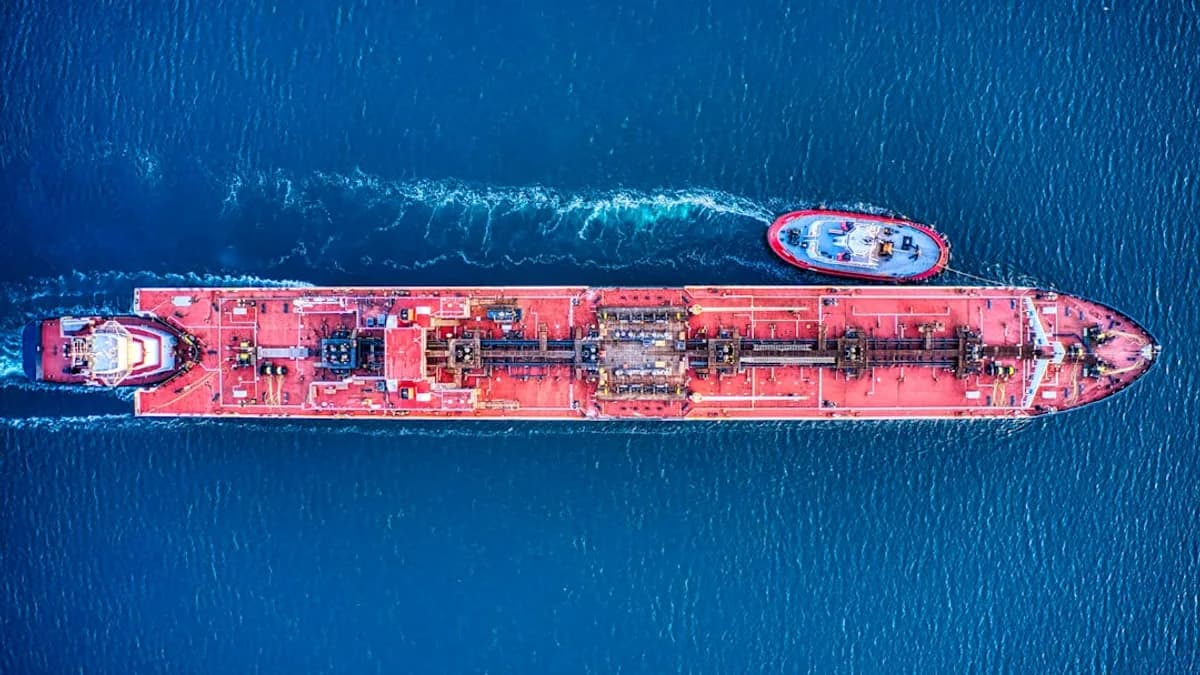
Recent vessel tracking data has confirmed the passage of at least three oil supertankers, all linked to sanctioned Iranian interests, through the Strait of Hormuz in defiance of the US blockade [Source: Source]. Among the ships identified were two large crude carriers, flagged as Iran-linked, which successfully navigated the strait’s narrow and heavily monitored waters. The transits reportedly occurred earlier this week, with the vessels proceeding along the well-established shipping corridor that runs from the Persian Gulf into the Gulf of Oman and onwards to international markets.
Satellite imagery and real-time tracking systems provided by maritime analytics firms corroborated the tankers’ routes, showing their movement through the strait at times when US and allied naval patrols were present. Notably, these transits took place just as the United States announced new measures to tighten its maritime blockade and further restrict Iranian oil flows [Source: Source]. This development follows several previous attempts by the US to intercept or deter sanctioned tankers in and around the Strait of Hormuz, but the latest passage marks one of the clearest examples of Iranian-linked vessels successfully evading direct enforcement.
Comparatively, previous enforcement efforts have included the boarding of suspect vessels, the seizure of oil cargos, and diplomatic pressure on shipping registries. However, the recent passage of these tankers suggests that Iranian and allied operators are adapting to the new enforcement environment, utilizing tactics such as disabling transponders, changing ship identities, or relying on legal ambiguities in international waters. The success of these tankers in traversing the strait despite a US naval presence highlights the persistent challenges faced by American authorities in exerting control over one of the world’s busiest and most contested maritime corridors [Source: Source].
US Blockade and Sanctions: Objectives and Enforcement Challenges
The United States has maintained a robust sanctions regime targeting Iran’s oil exports, aiming to cripple Tehran’s main source of revenue and pressure the government into curbing its nuclear program and regional influence. The Trump administration, in particular, escalated this campaign by reimposing sweeping sanctions following the US withdrawal from the Iran nuclear deal in 2018. The sanctions regime is designed to cut Iran off from global energy markets by targeting shipping companies, insurers, financial institutions, and any entities facilitating the sale or transport of Iranian crude [Source: Source].
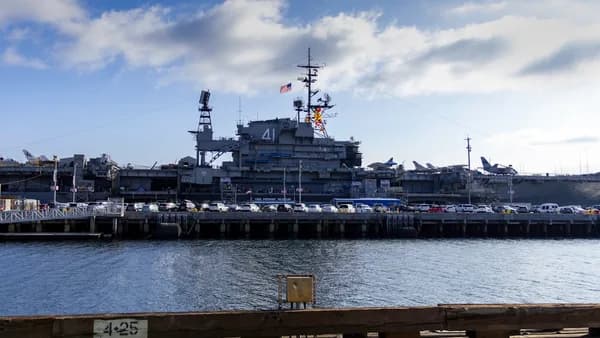
As part of this strategy, the US has deployed naval assets to the Persian Gulf and the Strait of Hormuz, conducting patrols and surveillance to deter and interdict sanctioned vessels. The so-called “blockade” has involved a combination of military presence, diplomatic engagement with regional partners, and the threat of secondary sanctions on foreign companies doing business with Iran. Despite these measures, enforcing a maritime blockade in such a busy and geopolitically sensitive region presents significant operational and legal challenges.
International maritime law grants vessels the right of innocent passage through straits used for international navigation, complicating efforts to physically block or seize ships unless they are directly violating sanctions within a cooperating state’s territorial waters. Additionally, the sheer volume of commercial shipping traffic in the Strait of Hormuz makes comprehensive enforcement logistically daunting. US officials have acknowledged these difficulties, with some expressing frustration that the Iranian-linked tankers were able to slip through despite increased monitoring and regional cooperation [Source: Source].
The recent transits have prompted renewed debate in Washington over the effectiveness of the current sanctions strategy and the risks of escalation. Some officials have called for more aggressive interdiction efforts, while others caution that further militarization could endanger commercial shipping and escalate tensions with Iran and other regional powers.
Geopolitical Implications of the Tankers’ Transit
The successful passage of US-sanctioned tankers through the Strait of Hormuz has immediate and far-reaching implications for US-Iran relations, regional security, and global energy markets. In the context of already strained ties, Iran’s ability to circumvent the blockade is likely to be seen as a strategic victory in Tehran, reinforcing its resolve to resist US pressure and maintain energy exports as a lifeline for its economy [Source: Source].
For the United States, the episode raises uncomfortable questions about the credibility of its sanctions enforcement and the limits of its influence in the region. The apparent ease with which sanctioned tankers navigated the strait may embolden other actors to test the blockade or cooperate with Iran, undermining the intended impact of the sanctions regime. This could complicate diplomatic efforts to bring Iran back to the negotiating table and increase the risk of miscalculation or confrontation in the crowded waterway.
Global oil markets are also watching the situation closely. The Strait of Hormuz handles around 20% of the world’s oil supply, making any disruption or escalation a potential driver of price volatility and supply risk. While the recent tanker transits did not immediately disrupt shipping, they highlight the fragility of energy security in a region prone to geopolitical flashpoints. Market participants and energy-importing nations may be forced to consider new contingencies for potential blockades, diversions, or retaliatory actions by Iran or its proxies.
Regional actors, including Gulf Arab states and major Asian importers, have expressed concern over the possibility of further escalation and called for restraint and respect for international maritime law. The episode has also drawn attention to the broader issue of freedom of navigation in international waters, a principle that underpins global commerce but is increasingly contested in strategic chokepoints like the Strait of Hormuz [Source: Source].
Conclusion: What the Passage Means for Future US Sanctions and Regional Stability
The recent successful transit of US-sanctioned tankers through the Strait of Hormuz marks a significant moment in the ongoing contest between Washington and Tehran over energy exports and regional influence. It underscores the persistent challenges the US faces in enforcing unilateral sanctions in an interconnected and legally complex maritime environment. While the Biden administration may consider adjusting its enforcement strategies or seeking greater international cooperation, the episode illustrates the limitations of coercive measures in the face of determined opposition and evolving tactics.
Looking ahead, the Strait of Hormuz is likely to remain a flashpoint in US-Iran tensions, with the risk of further incidents or confrontations. The dynamic interplay between sanctions, maritime security, and regional stability will continue to shape the strategic landscape, as both sides test the boundaries of enforcement and resistance in one of the world’s most vital shipping arteries [Source: Source].