Two Gaza Aid Flotilla Activists Released from Israeli Custody Arrive in Netherlands
Two Dutch activists who tried to break Israel’s naval blockade of Gaza are back on European soil after nearly a week in detention. Jan de Vries and Sophie Meijer, both members of the Global Sumud Flotilla, landed at Amsterdam’s Schiphol Airport late Saturday, days after Israeli authorities released them from custody, according to Al Jazeera.
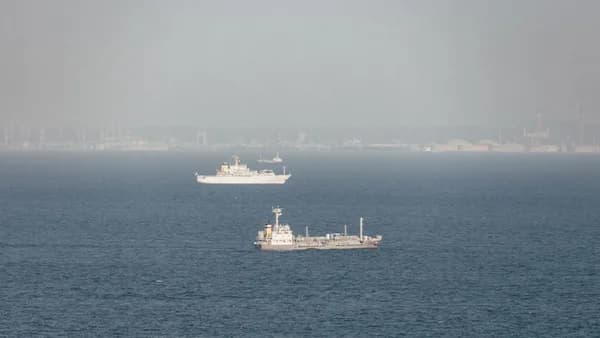
Israeli naval forces intercepted the flotilla on April 27, roughly 30 nautical miles off the Gaza coast. De Vries and Meijer, along with 14 other activists from multiple countries, were detained and questioned in Ashdod. Israel accused the group of attempting to violate the maritime blockade, a charge the activists reject. The pair spent five days in an Israeli holding facility before being deported on May 3.
Their arrival in the Netherlands marks the first return of foreign nationals from this year’s Global Sumud Flotilla, which set sail from Greece as part of a renewed push to deliver medical and food aid to Gaza by sea. Dutch authorities have confirmed the activists’ safe return but declined to comment on any formal diplomatic intervention in their case.
Immediate Reactions and Implications of Activists’ Release on Gaza Aid Efforts
The release of de Vries and Meijer has electrified Gaza aid circles and reignited debate over the risks and visibility of maritime activism. Global Sumud Flotilla organizers called the activists’ return “a victory for international solidarity,” arguing that their detention only amplified the spotlight on Gaza’s humanitarian crisis. Humanitarian groups in the Netherlands and across Europe staged rallies over the past week demanding the activists’ release, while also renewing calls for an end to the blockade.
Dutch MP Lisa van Dijk, a vocal supporter of Palestinian rights, called the activists “brave citizens acting where governments have failed.” Israeli officials maintain that intercepting the flotilla was necessary to enforce security restrictions, pointing to past incidents of weapons smuggling. But no weapons were found aboard the Global Sumud vessel, according to both Israeli and independent observers.
The episode lands at a fraught moment. The UN estimates more than 80% of Gaza’s population now depends on humanitarian relief. Recent data from the World Food Programme show that aid deliveries via land crossings have dropped 40% since February, fueling demand for alternative channels such as maritime flotillas. The high-profile detention and release of de Vries and Meijer have made it harder for donor governments and the EU to ignore calls for more robust pressure on Israel to allow aid into Gaza.
Next Steps for Gaza Aid Activists and Monitoring Future Flotilla Missions
Global Sumud Flotilla organizers say the setback has only hardened their resolve. The network, which includes activists from over 10 European countries, announced plans to launch a second flotilla before the end of June—this time with a larger international crew and more media presence. De Vries and Meijer are expected to join public forums and lobbying efforts across Europe to keep Gaza on the diplomatic agenda.
Observers warn that future flotilla missions could draw sharper responses from Israel. In 2010, Israeli commandos stormed the Mavi Marmara, resulting in nine deaths and a diplomatic crisis with Turkey. Since then, most flotillas have been intercepted without lethal force, but the risk calculus remains volatile. Legal experts say the ongoing detentions put a spotlight on the murky waters of international maritime law, especially as more NGOs test the boundaries of the blockade.
European governments now face a dilemma: back their nationals’ right to protest and deliver aid, or risk a rupture with Israel over direct action challenges to the blockade. Dutch officials are reportedly discussing new consular protocols for citizens detained on humanitarian missions abroad.
Stakeholders should watch for shifts in EU policy, especially ahead of the next flotilla launch. If European governments demand safe passage for humanitarian vessels—or threaten sanctions for continued blockades—the rules of engagement could change rapidly. For now, activists are betting that public scrutiny and diplomatic pressure will make future detentions costlier for Israel, keeping the Gaza crisis in the headlines and forcing hard choices on all sides.
Impact Analysis
- The activists' release highlights ongoing international challenges to Israel's Gaza blockade.
- Their detention and subsequent return bring renewed attention to the humanitarian situation in Gaza.
- The incident could influence future maritime aid efforts and diplomatic relations between involved countries.