Introduction: The Urgency of Renewing US-Iran Dialogue Amid Truce Expiry
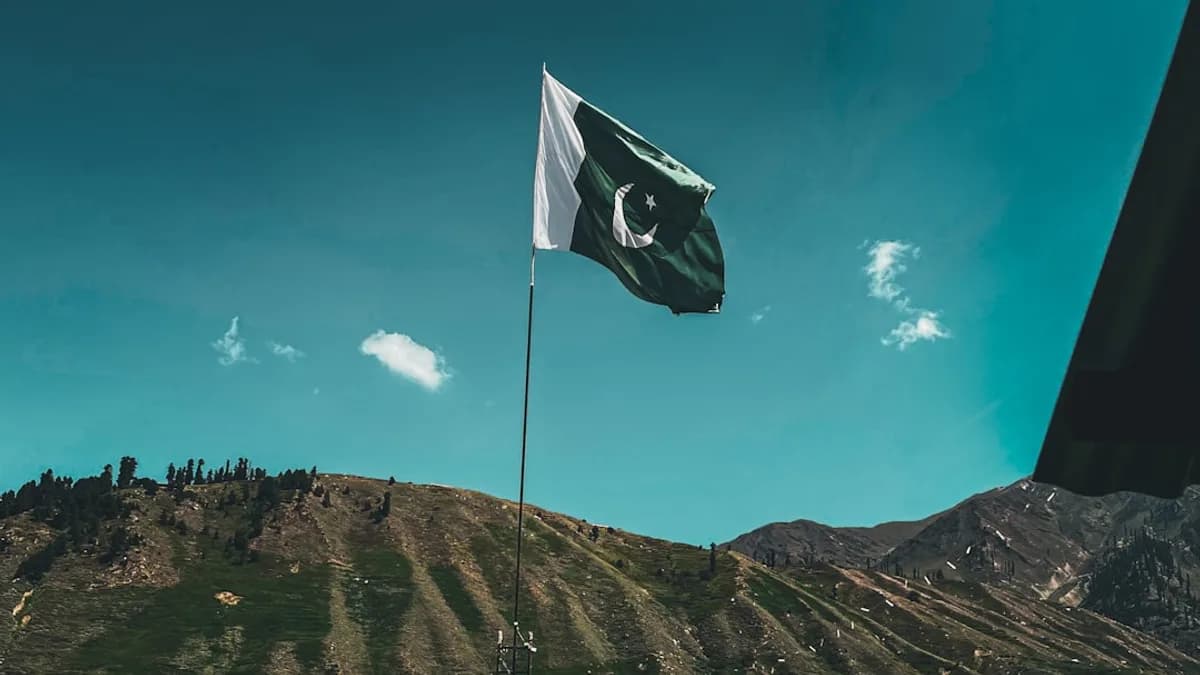
Pakistan is racing to get Iran back to US talks as the ceasefire between Washington and Tehran nears its end. If talks fail, the risk of new clashes grows by the hour. The US and Iran have sent mixed signals about restarting negotiations, leaving many unsure about what comes next. Islamabad has stepped up, offering to host talks in hopes of keeping the peace and stopping the region from sliding back into trouble. With the truce hanging by a thread, the stakes are sky-high—not just for the countries involved, but for the whole Middle East and beyond. The world is watching Pakistan’s efforts. Everyone hopes the clock won’t run out on diplomacy [Source: Google News].
Pakistan’s Diplomatic Balancing Act in US-Iran Relations
Pakistan sits in a tough spot. It shares a border with Iran and keeps close ties with the US. Both relationships matter for Pakistan’s security and economy. Iran and Pakistan have traded for years, while the US has given Pakistan billions in aid and military help. But being friends with both sides isn’t easy.
Pakistan must walk a fine line. If it leans too much toward one side, it risks angering the other. This makes Pakistan’s push for talks risky but important. Islamabad is betting that hosting negotiations will help bring calm to the whole region. The city has hosted peace talks before—like efforts to settle disputes in Afghanistan. If Pakistan can pull off a deal between the US and Iran, it could boost its image as a peacemaker.
There are hurdles. Pakistan worries about terror groups using its soil, and sometimes Iran and the US blame each other for attacks in the region. Still, Islamabad hopes its history of balancing interests will make both sides trust it enough to talk. If the talks fail, Pakistan could face trouble from both neighbors. But if they succeed, it could bring new hope for stability in South Asia and the Persian Gulf.
Conflicting Signals from Washington and Tehran: Implications for Peace
The US and Iran have not been clear about what they want. Former President Trump has made statements that clash with what US officials say now. One day, he talks tough about Iran; the next, he hints at wanting talks. This confuses allies and leaves Iran unsure how to respond [Source: Google News].
Tehran sends mixed signals, too. Sometimes Iranian leaders say they are open to talks, but other times they slam the US for its past actions. Iran’s president has said the US must first lift sanctions before any new deal. But other officials have hinted at being willing to meet halfway if they see real change. These back-and-forth messages make it hard for both sides to trust each other.
Confusion isn’t new in US-Iran relations. For years, talks have stalled because leaders say one thing and do another. For example, the nuclear deal talks in 2015 nearly broke down several times because both sides kept changing their demands. Today, the stakes are even higher. If the US and Iran don’t speak clearly and stick to their promises, smaller groups might take advantage and start new trouble.
Mixed messages also make it hard for mediators like Pakistan to help. If Islamabad can’t tell what each side really wants, it’s tough to find common ground. Trust is the first step to peace, and right now, trust is in short supply. That’s why clear communication matters more than ever.
The Strategic Importance of Vance’s Upcoming Visit to Pakistan
The US is sending Vance to Pakistan this week. He’s a top diplomat known for handling tough talks. His job is to help restart US-Iran negotiations and make sure the truce doesn’t fall apart [Source: Google News].
Vance will meet Pakistani leaders and possibly Iranian officials in Islamabad. His visit shows the US is serious about finding a way forward. Many expect Vance to push for small steps, like more humanitarian aid or prisoner swaps, before bigger issues get tackled.
If Vance’s meetings go well, the talks could lead to a new ceasefire or even set the stage for a larger deal. But if they fail, the risk of new fighting grows. Vance’s role is key because he understands both sides and can help bridge gaps. His visit is also a test for Pakistan—can Islamabad keep the talks on track, or will outside forces pull things apart?
Broader Regional and Global Implications of Renewed US-Iran Talks
The outcome of these talks will ripple across the Middle East. If the US and Iran find common ground, it could lower tensions from Iraq to Syria and help calm conflicts that have dragged on for years. Peace talks could also help stop terror groups from using chaos as cover to launch attacks.
Global energy markets are watching closely. Iran is a major oil producer. If talks fail and fighting starts again, oil prices could surge, hurting economies from Asia to Europe. When the US and Iran last clashed, oil jumped by over 10% in a single day. Stable talks mean stable prices, which helps everyone.
Other countries have a stake, too. Saudi Arabia, Israel, Russia, and China all have interests in what happens next. Some want peace, others hope to gain influence if talks break down. The European Union has pushed for dialogue, hoping to keep nuclear threats off the table.
The world wants a deal that sticks. If talks succeed, it could open doors for more trade, help fix broken ties, and maybe even lead to new deals on weapons and security. But if talks fail, the region could face years of uncertainty, refugee flows, and economic pain.
Opinion: Why Pakistan’s Mediation Could Be a Game-Changer for US-Iran Peace
Pakistan is uniquely placed to help the US and Iran talk. It knows both sides well, shares borders and history, and has shown it can keep calm in tough times. Unlike other mediators, Pakistan is not pushing its own agenda—it simply wants peace in its backyard.
But for talks to work, both the US and Iran must be clear. They need to stop sending mixed signals and start speaking with one voice. If leaders keep changing their minds, Pakistan will find it almost impossible to build trust. History shows that talks only work when both sides stick to their promises. That’s true for the Iran nuclear deal, the US talks with North Korea, and even peace efforts in Afghanistan.
Pakistan’s effort needs global support. The US, EU, and Gulf states should back Islamabad, share information, and help keep the talks honest. If the world stands behind Pakistan, the chances of success go up.
Peace is hard. It takes time, patience, and courage. But Pakistan’s role as a mediator could be just what the US and Iran need to break the cycle of mistrust. If both sides give Islamabad a chance, the talks could lead to lasting solutions and real hope for the region.
Conclusion: Seizing the Moment to Prevent a Return to Hostility
Pakistan is working against the clock to get Iran and the US talking before the truce ends. The risks are real—if talks fail, the region could face new violence, higher oil prices, and more uncertainty. But if they succeed, the benefits are huge: safer borders, better trade, and a chance for lasting peace.
The world should pay attention and support Pakistan’s push for dialogue. Diplomatic talks are slow and messy, but they are still the best way to solve deep conflicts. The next few days are critical. If leaders keep the talks going, they can stop a return to hostility and build a safer future for everyone.
Why It Matters
- The end of the US-Iran truce could trigger new conflict affecting global security.
- Pakistan's role as mediator is crucial for maintaining regional stability and its own interests.
- Success or failure of talks will shape Pakistan's diplomatic reputation and future alliances.