Introduction: Escalating Tensions and Diplomatic Efforts
The ongoing conflict between the United States and Iran has entered a critical phase as the U.S. blockade of Iranian ports extends into its second day, sharply escalating tensions in a region already fraught with uncertainty. The Strait of Hormuz, a vital maritime passage for global oil shipments, remains at the heart of this standoff, amplifying fears over energy security and the stability of international supply chains. In response, a flurry of diplomatic initiatives has emerged, with reports suggesting that U.S. and Iranian teams may return to the negotiating table in Islamabad as early as this week [Source: Source]. Mediators and international stakeholders are working urgently to revive stalled talks, seeking to prevent a further spiral into armed conflict. This analysis explores the prospects and challenges of resuming U.S.-Iran negotiations at this pivotal moment, examining the strategic calculations, political pressures, and global implications at play.
Background: Historical Context of U.S.-Iran Relations and Previous Negotiations
The U.S.-Iran relationship has been defined by decades of mistrust, confrontation, and intermittent diplomacy. The 1979 Iranian Revolution, which led to the overthrow of the U.S.-backed Shah and the subsequent hostage crisis, marked a dramatic rupture. Since then, relations have been characterized by periodic escalations—such as the Iran-Iraq War in the 1980s, the U.S. designation of Iran as a state sponsor of terrorism, and ongoing proxy conflicts across the Middle East.
Diplomatic engagement has occasionally broken through the hostility. The most significant recent effort was the 2015 Joint Comprehensive Plan of Action (JCPOA), commonly known as the Iran nuclear deal. Under the JCPOA, Iran agreed to limit its nuclear program in exchange for sanctions relief. However, the U.S. withdrawal from the deal in 2018, under the Trump administration, and the subsequent reimposition of sanctions, led to a rapid deterioration in relations and a series of tit-for-tat escalations [Source: Source].
Sanctions and blockades have taken a heavy toll on Iran’s economy, restricting its oil exports, devaluing its currency, and fueling domestic discontent. These measures have also affected regional stability, with Iran responding by expanding its influence through armed groups in Iraq, Syria, Lebanon, and Yemen. Past diplomatic breakdowns, including failed negotiations and unmet commitments, have deepened the trust deficit between the two nations. As new rounds of talks are considered, the legacy of these previous efforts serves as both a warning and a potential blueprint for future engagement.
Current Developments: The U.S. Blockade and Renewed Diplomatic Talks
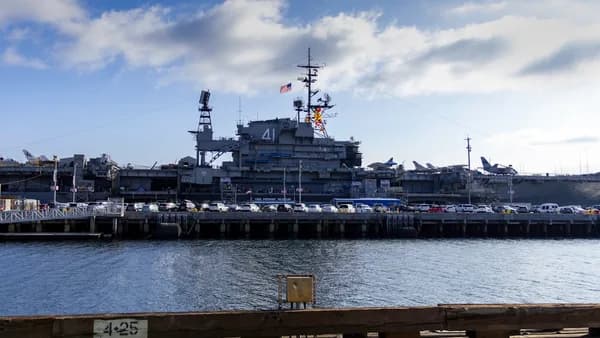
The recent imposition of a U.S. naval blockade on Iranian ports marks a significant escalation in the ongoing conflict, intended to increase economic and political pressure on Tehran. The blockade, now in its second day, aims to disrupt Iran’s critical export routes, particularly through the Strait of Hormuz, which handles a significant portion of global oil shipments. This move is seen as both a demonstration of military resolve and a calculated effort to force Iran back to the negotiating table [Source: Source].
Against this backdrop, multiple reports indicate that U.S. and Iranian delegations could convene in Islamabad for renewed peace talks within the week. Mediators from regional and international stakeholders are reportedly working intensively to bridge the gap between the two sides, emphasizing that “the door is not closed” to diplomacy [Source: Source]. Official statements from both U.S. and Iranian representatives have underscored a cautious openness to dialogue, while also reiterating their respective red lines and security concerns.
The timing of these developments is critical. The blockade’s economic impact is already being felt, both within Iran and in global energy markets, raising the stakes for a diplomatic resolution. The U.S. appears to be leveraging the blockade as a negotiating tool, hoping that the resulting pressure will yield concessions on Iran’s nuclear and regional activities. Iran, for its part, is signaling a willingness to engage, but insists on the removal of sanctions as a prerequisite for meaningful progress. The interplay between military pressure and diplomatic outreach reflects a complex strategic calculus, with both sides seeking to maximize their leverage while avoiding an uncontrollable escalation.
Challenges to Resuming Talks: Political, Strategic, and Regional Obstacles
Resuming substantive negotiations between the U.S. and Iran faces a host of formidable challenges. Internally, both governments confront significant political pressures that constrain their flexibility at the bargaining table. In the U.S., partisan divides over the merits of engagement with Iran—particularly in an election year—limit the administration’s room for maneuver. Lawmakers and influential lobbies remain skeptical of Tehran’s intentions, pressing for a hardline approach that prioritizes security guarantees and stringent verification measures.
In Iran, the leadership faces its own political crosscurrents, including hardline factions deeply suspicious of Western motives and unwilling to make concessions perceived as capitulation. The economic strain wrought by sanctions has fueled public unrest, increasing pressure on the government to deliver tangible relief without appearing weak or compromising core interests.
Regional dynamics further complicate the landscape. Gulf Arab states, notably Saudi Arabia and the United Arab Emirates, are closely watching developments, wary of any outcome that might embolden Iran or shift the regional balance of power. Israel, a vocal opponent of the original nuclear deal, has repeatedly signaled its willingness to act unilaterally if it perceives an existential threat. The involvement of these actors, whether as spoilers or backchannel influencers, adds an additional layer of uncertainty to the process [Source: Source].
Trust remains a major obstacle. The collapse of the JCPOA and subsequent escalations have left both sides deeply skeptical of each other’s commitments. Verification mechanisms, sequencing of sanctions relief, and guarantees of compliance will be key sticking points in any renewed talks. Finally, the risk of spoilers—whether from regional militias, political opponents, or external actors—looms large, with even minor provocations capable of derailing fragile diplomatic progress.
Potential Outcomes and Implications of Renewed U.S.-Iran Negotiations
The outcome of the current diplomatic push is far from certain, with scenarios ranging from a breakthrough agreement to a protracted stalemate or even renewed hostilities. A successful negotiation could pave the way for phased sanctions relief, limits on Iran’s nuclear activities, and confidence-building measures across the region. Such an outcome would likely stabilize energy markets, reduce the risk of military confrontation, and open the door to broader regional diplomacy [Source: Source].
Conversely, failure to reach a deal—or a breakdown in talks—could trigger a rapid escalation. Prolonged blockade of Iranian ports would exacerbate economic hardship in Iran, potentially provoking retaliatory actions in the Strait of Hormuz or elsewhere in the region. Global energy prices would likely spike, with ripple effects across major economies and vulnerable states.
International actors have a critical role to play, both as mediators and as potential spoilers. European powers, Russia, and China, all signatories to the original nuclear deal, may seek to facilitate dialogue or offer incentives for compromise. Conversely, their involvement could complicate U.S. leverage or embolden Iran to hold out for better terms. The position of Gulf states and Israel will also influence the contours of any agreement, as their security concerns must be addressed for a lasting settlement.
In the long term, the prospects for stability in the Middle East—and for a sustainable U.S.-Iran relationship—will depend on the willingness of both sides to engage in incremental confidence-building and address the underlying sources of mistrust. Even partial agreements could lay the groundwork for more comprehensive solutions to regional conflicts and nuclear proliferation concerns.
Conclusion: Navigating a Complex Path Toward Peace
The current standoff between the United States and Iran underscores the delicate balance between military pressure and diplomatic engagement. While the U.S. blockade of Iranian ports has raised the stakes, it has also created an urgent impetus for renewed talks, offering a narrow window for de-escalation. The challenges are significant, from political opposition and regional rivalries to deep-seated distrust. Yet, sustained dialogue remains essential, even in the face of setbacks and provocations. As the world watches developments in the Strait of Hormuz, a nuanced and pragmatic approach to negotiations offers the best hope for averting a wider conflict and advancing the cause of stability in the Middle East. The stakes are high—not only for the U.S. and Iran, but for global security and prosperity [Source: Source].