Introduction: Overview of the Recent US-Iran Negotiations
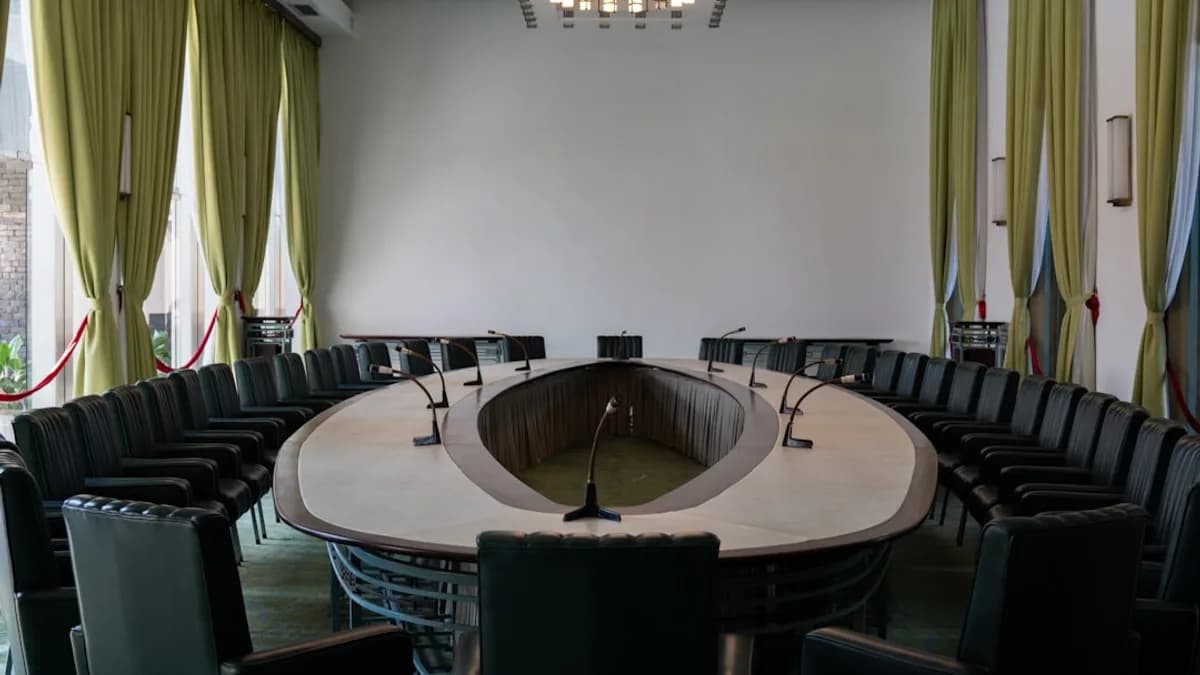
Over the course of just 21 hours, planeloads of negotiators from the United States and Iran engaged in a high-stakes diplomatic marathon, aiming to break a persistent deadlock on two critical fronts: control of the Strait of Hormuz and Iran’s expanding nuclear stockpile. The talks, characterized by urgency and complexity, brought together seasoned diplomats and technical experts against a backdrop of escalating tensions and a history of failed engagement. This latest round of negotiations occurred under the shadow of previous breakdowns, underscoring how deeply entrenched issues continue to thwart progress. As both sides confronted the ticking clock and a complex web of strategic interests, the outcome of these discussions held significant implications not only for regional stability but also for global security and energy markets [Source: Source].
Background: Historical Context of US-Iran Negotiations
US-Iran relations have been defined by decades of mistrust, punctuated by periodic diplomatic engagement and frequent deadlock. Since the 1979 Iranian Revolution, successive US administrations have grappled with Tehran’s regional ambitions, nuclear program, and support for proxy groups. The historic 2015 Joint Comprehensive Plan of Action (JCPOA) marked a rare moment of détente, establishing limits on Iran’s nuclear activities in exchange for sanctions relief. However, the US withdrawal from the JCPOA in 2018 reignited hostilities, leading to a new cycle of sanctions and escalation.
Patterns of negotiation between the two countries often follow a familiar trajectory: brief openings for dialogue, followed by breakdowns over irreconcilable demands. These recurring challenges include deep-seated strategic mistrust, domestic political pressures, and the influence of regional actors. Each round of talks is informed by this history, with negotiators cautious not to appear weak or concede too much. As a result, both sides enter each negotiation round wary of repeating past mistakes but remain locked in a cycle of confrontation and compromise that has yet to yield a lasting breakthrough [Source: Source].
Key Sticking Points in the Current Talks
Central to the current impasse are two issues with far-reaching implications: the security of the Strait of Hormuz and the future of Iran’s nuclear program. The Strait of Hormuz, a vital chokepoint for global oil shipments, has become a flashpoint amid concerns about maritime security. The US insists on unhindered passage for commercial vessels and an end to Iranian harassment of shipping, viewing the strait’s openness as essential to global economic stability. Iran, meanwhile, asserts its rights in the waterway and seeks to leverage its position to extract security guarantees and sanctions relief [Source: Source].
Iran’s nuclear stockpile presents another formidable obstacle. Since the collapse of the JCPOA, Tehran has advanced its uranium enrichment efforts, reducing the breakout time for a potential nuclear weapon. The US demands verifiable limits on enrichment and increased transparency, making these conditions prerequisites for any easing of sanctions. Iran, for its part, seeks substantial sanctions relief before committing to new nuclear restrictions, arguing that previous US withdrawal from the JCPOA undermined trust in American guarantees.
Complicating matters further are the region’s proxy conflicts, with both sides accusing each other of fueling instability through support for allied militias. The US views Iran’s regional activities as a threat to its allies and interests, while Tehran sees US military presence and alliances as existential threats. These intertwined disputes mean that progress on one issue is often held hostage to movement on others, making a comprehensive agreement difficult to achieve.
Regional security concerns and the ongoing contest for influence in the Middle East add another layer of complexity. With both sides wary of conceding advantage, the talks have become a microcosm of broader strategic competition, where every concession is weighed against long-term national interests [Source: Source].
Analysis of the Negotiation Dynamics
The scale and pace of the recent negotiations—planeloads of officials convening for less than a day of talks—highlight both the urgency and the inherent limitations of such diplomatic sprints. Large delegations can bring expertise and flexibility but also risk slowing decision-making, as each side must coordinate internally and seek consensus before making concessions. The compressed timeline further increases the pressure, leaving little room for creative diplomacy or trust-building gestures [Source: Source].
Bridging the strategic mistrust that has hardened over decades remains a formidable challenge. Both Washington and Tehran enter negotiations with deep skepticism about the other’s intentions and a fear of domestic backlash should talks fail or be perceived as capitulation. This mutual suspicion makes it difficult to move beyond entrenched positions or to agree on sequencing—such as whether sanctions relief should precede or follow nuclear rollbacks.
Comparisons with previous negotiation rounds reveal a striking continuity in both substance and style. The same issues that dominated earlier talks—nuclear limits, sanctions, regional security—remain at the forefront, with little evidence of new thinking or breakthrough proposals. While back-channel communications and technical working groups offer some avenues for progress, the overall structure of the talks has changed little, perpetuating the cycle of impasse [Source: Source].
To overcome this deadlock, both sides may need to consider incremental, confidence-building measures that can create space for more substantive agreements. This could include limited sanctions relief in exchange for verifiable nuclear steps or joint statements on maritime security. Ultimately, however, bridging the strategic divide will require sustained engagement, political will, and a willingness to prioritize long-term stability over short-term tactical gains.
Implications of the Deadlock for Regional and Global Security
The failure to resolve key disputes in these talks carries significant risks for regional security, particularly given the strategic importance of the Strait of Hormuz. As a major conduit for global oil shipments, any disruption in the strait—whether through military escalation, sabotage, or increased harassment—could send shockwaves through energy markets and threaten the global economic recovery [Source: Source].
If negotiations collapse completely, the risk of escalation is real. Both the US and Iran have demonstrated a willingness to use force or escalate tensions to signal resolve, raising the specter of unintended conflict. Such a scenario could draw in regional allies and global powers, increasing the risk of a broader confrontation.
Beyond the immediate region, the deadlock complicates international diplomacy and efforts to address proliferation concerns. European and Asian partners, who rely on stable energy supplies and seek to avoid a nuclear-armed Iran, are watching closely and may seek to mediate or propose alternative frameworks. Meanwhile, rival powers such as Russia and China could exploit the stalemate to increase their influence in the region or undermine Western leverage.
In sum, the inability to make progress in these talks leaves the door open to instability, with potential consequences that extend far beyond the negotiating table [Source: Source].
Conclusion: Prospects for Future US-Iran Negotiations
The latest round of US-Iran negotiations underscores the depth of the challenges facing both sides. Fundamental disagreements over the Strait of Hormuz, nuclear enrichment, and regional security continue to block progress, while mutual mistrust and domestic constraints limit diplomatic flexibility. Despite these obstacles, the urgency of the stakes—regional stability, nonproliferation, and global energy security—means that both sides are likely to remain engaged, however haltingly [Source: Source].
While a major breakthrough appears unlikely in the near term, incremental steps and creative diplomacy could lay the groundwork for future progress. Confidence-building measures, third-party mediation, and narrowly tailored agreements might help open the door to more substantive engagement. Ultimately, sustained dialogue—even in the face of setbacks—remains essential for managing risks and keeping open the possibility of a more durable détente between the US and Iran.