Introduction: Overview of Recent Geopolitical Developments
This weekend witnessed two major developments on the global stage: former U.S. President Donald Trump announced that the United States will impose a naval blockade on Iranian ports, escalating tensions between Washington and Tehran. Meanwhile, Hungary’s longtime Prime Minister Viktor Orbán conceded defeat in the country’s national election, marking the end of an era for the central European nation. These events come amid a broader backdrop of shifting alliances and strategies, as world leaders grapple with rising geopolitical uncertainty and public demands for change.
Trump’s announcement signals a hardening of U.S. policy toward Iran, potentially impacting regional stability and oil markets. Orbán’s loss, after years of consolidating power and challenging EU norms, signals a possible realignment in Hungarian and European politics. Together, these stories illustrate how decisions made in Washington and Budapest reverberate far beyond their borders, shaping global political currents and economic prospects [Source: Source].
Understanding the U.S. Blockade Threat Against Iran
A naval blockade is a military action in which one state uses its naval forces to prevent goods, services, and people from entering or leaving another state’s ports. Under international law, blockades are considered acts of war and are subject to strict legal scrutiny. The United Nations Charter prohibits aggressive actions against sovereign nations unless authorized by the Security Council or undertaken in clear self-defense. Historically, blockades have been used to exert maximum economic and political pressure, but they also risk unintended escalation and humanitarian consequences.
Trump’s call for a blockade of Iranian ports reflects ongoing frustration with Iran’s regional influence and nuclear program. The rationale is to cut off Iran’s ability to export oil and goods, thereby weakening its economy and curbing its capacity to fund proxy groups across the Middle East. However, such a move would have far-reaching consequences. Iran is a significant player in global energy markets, and a blockade could trigger sharp increases in crude oil prices, affecting economies worldwide. The threat also risks destabilizing the Persian Gulf, a critical transit route for energy supplies [Source: Source].
International reactions have been swift. U.S. allies in Europe and the Middle East have expressed concern over the escalation, with some urging restraint and dialogue. The United Kingdom and France, for instance, have warned against unilateral actions that could undermine diplomatic efforts to resolve nuclear tensions. Russia and China, Iran’s strategic partners, have condemned the blockade threat as provocative and potentially illegal under international norms. Meanwhile, regional actors like Saudi Arabia and Israel may see the move as an opportunity to pressure Iran, but also worry about fallout from possible Iranian retaliation.
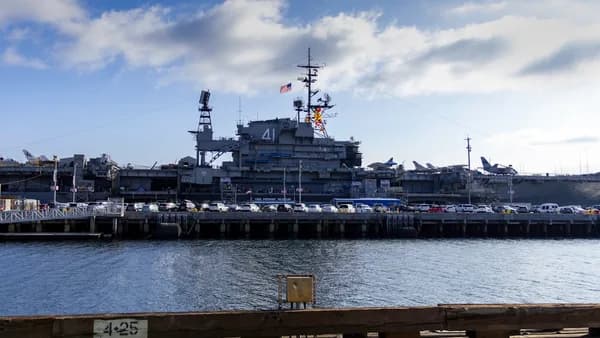
The prospect of a blockade raises questions about enforcement and the risk of direct confrontation. The U.S. Navy would need to patrol vast stretches of the Persian Gulf and Gulf of Oman, intercepting vessels and possibly clashing with Iranian forces. Such scenarios could lead to military skirmishes, jeopardizing the safety of commercial shipping and exacerbating security dilemmas. The threat has also prompted calls for a renewed diplomatic push, as many fear that heightened tensions could derail fragile ceasefires and peace initiatives in neighboring countries, including Lebanon and Syria [Source: Source].
The Political Context in Iran and U.S.-Iran Relations
U.S.-Iran relations have been fraught for decades, characterized by cycles of confrontation and tentative diplomacy. Recent years saw the collapse of the 2015 nuclear deal, renewed sanctions, and periodic flare-ups in the Persian Gulf. The blockade threat comes at a time when both nations are struggling to find common ground, with talks repeatedly stalled over Iran’s nuclear ambitions and regional activities.
Iran has responded to the blockade announcement with defiance, vowing to protect its sovereignty and economic interests. Iranian officials have threatened to retaliate, possibly by disrupting shipping in the Strait of Hormuz—a vital waterway for global oil exports. Tehran is also exploring ways to bypass U.S. measures, such as deepening economic ties with China, Russia, and other sympathetic states. The possibility of escalation remains high, especially as hardliners gain influence within Iran’s leadership [Source: Source].
Beyond bilateral tensions, the blockade threat complicates the broader quest for Middle East peace and stability. Many regional actors worry that military brinkmanship could undermine ongoing ceasefires and negotiations, particularly in Lebanon and Syria. Heightened U.S.-Iran hostilities risk spilling over into neighboring countries, fueling proxy conflicts and humanitarian crises. As the world watches, the stakes for regional security and global energy supplies continue to rise.
Viktor Orbán’s Defeat: What It Means for Hungary and Europe
Viktor Orbán’s defeat in the Hungarian election marks a turning point for the nation’s politics. Having led Hungary for over a decade, Orbán built a reputation as a staunch nationalist, often clashing with the European Union over issues like migration, rule of law, and press freedom. His party, Fidesz, dominated Hungarian politics, but mounting dissatisfaction with his leadership, economic challenges, and calls for greater democratic transparency fueled a strong opposition movement [Source: Source].
Orbán’s concession, described by analysts as a rare moment of humility, signals a shift in Hungary’s political landscape. The new government is expected to pursue reforms aimed at restoring judicial independence, media pluralism, and closer alignment with European standards. For Hungarian citizens, Orbán’s defeat represents a hope for renewed accountability and a break from years of centralized power. Many celebrated the election results as the beginning of a “new era,” echoing sentiments across opposition strongholds [Source: Source].
Orbán’s legacy is complex. He oversaw economic growth, but critics say his policies undermined democratic institutions and marginalized dissenting voices. His confrontational stance toward Brussels strained Hungary’s relations with the EU, particularly over concerns about corruption, minority rights, and constitutional changes. With his defeat, European leaders have welcomed the prospect of greater cooperation and a recommitment to shared values. The EU is likely to push for Hungary’s return to the fold, emphasizing reforms and closer integration.
Domestically, Hungary faces challenges of rebuilding trust and navigating a polarized society. The new government must address economic headwinds, public discontent, and demands for transparency. European leaders see Orbán’s loss as a potential catalyst for broader democratic renewal across the region, especially as populist and nationalist movements face growing scrutiny. The outcome may also influence debates over migration, climate policy, and security within the EU, as member states reassess their approach to shared challenges [Source: Source].
Connecting the Dots: Why These Events Matter Globally
The weekend’s developments underscore the interconnectedness of U.S. foreign policy and European political dynamics. Washington’s hardline approach toward Iran reverberates across global markets and diplomatic corridors, influencing energy supplies and security calculations. European leaders, facing their own domestic transformations, must weigh the implications of Middle Eastern instability for their economies and societies.
The interplay between Middle Eastern tensions and European political changes is particularly significant. A blockade of Iranian ports could send oil prices soaring, impacting inflation and economic growth in Europe and beyond. At the same time, Hungary’s political shift may embolden pro-democracy movements elsewhere and reshape EU attitudes toward authoritarian governance. Both events highlight how domestic decisions—in Washington or Budapest—can trigger far-reaching ripple effects.
Looking ahead, potential scenarios range from renewed diplomacy and stabilization to escalation and fragmentation. The U.S. may seek to leverage pressure for a new nuclear deal, while Iran could retaliate or pursue alternative alliances. Hungary’s new leadership will face the task of rebuilding institutions and mending ties with Brussels. As world leaders navigate these uncertainties, the importance of coordinated action and open dialogue cannot be overstated [Source: Source].
Conclusion: Looking Ahead
The U.S. blockade announcement and Viktor Orbán’s election loss represent watershed moments in global affairs. Each event carries profound implications—not only for the countries involved, but for regional stability, economic prospects, and international relations. As tensions rise between Washington and Tehran, and Hungary enters a new political era, observers will be watching closely to see how these developments unfold.
Monitoring these evolving geopolitical situations is essential, as the stakes for peace, security, and prosperity remain high. The coming weeks and months may bring new opportunities for diplomacy, reform, and cooperation—or fresh challenges and confrontations. Ultimately, the impact of these decisions will shape the contours of global politics for years to come, underscoring the need for informed engagement and strategic foresight [Source: Source].