Introduction: Context and Stakes of the U.S. Blockade
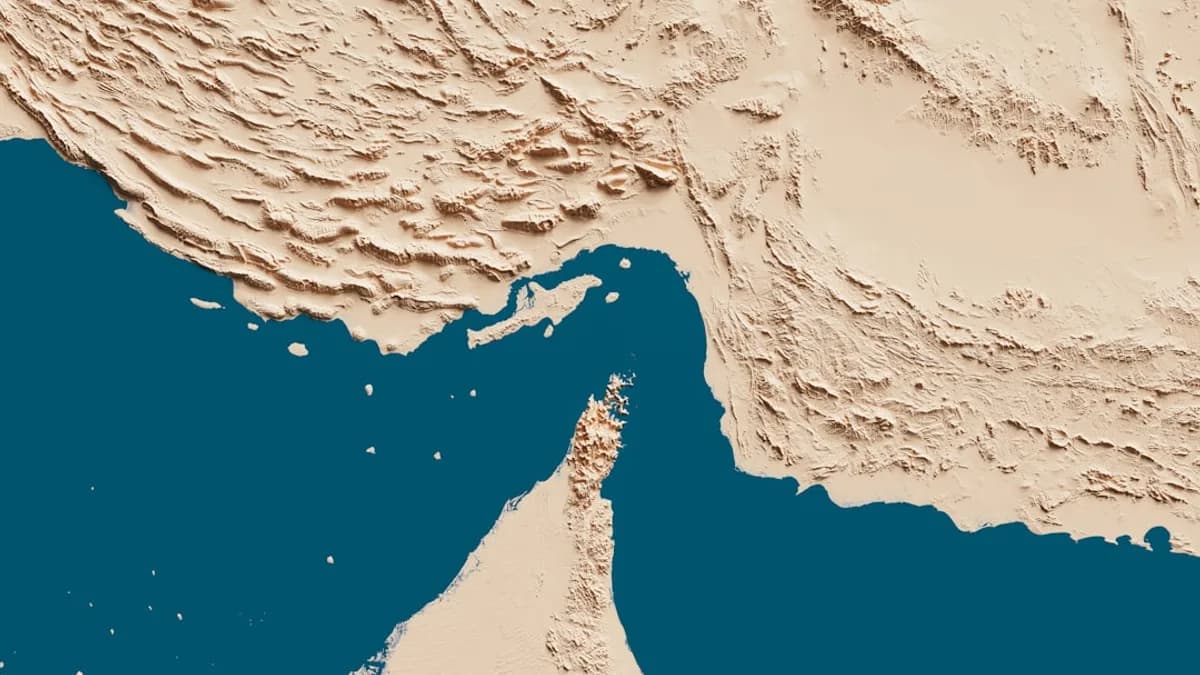
As the United States' naval blockade of Iran’s ports enters its second day, the world watches with mounting concern. The Strait of Hormuz, a narrow but crucial maritime chokepoint, sits at the heart of this crisis—serving as the passageway for nearly a fifth of global oil exports. The U.S. blockade, a dramatic escalation in the Iran conflict, is intended to throttle Tehran’s oil revenue and regional ambitions. Yet, as tensions boil, so too do efforts to revive diplomatic talks, with multiple international actors urging restraint and negotiation.
This opinion piece examines the immediate and far-reaching consequences of the blockade: its impact on global geopolitics, the volatility it injects into energy markets, and the urgent need for diplomatic engagement. In an era when economic coercion and brinkmanship threaten to override dialogue, the stakes—for regional stability and global prosperity—could not be higher.
Geopolitical Implications of the U.S. Blockade
The U.S. blockade is not just an economic stranglehold; it is a calculated move to undermine Iran’s influence and send a message to adversaries and allies alike. By enforcing a naval cordon around Iranian ports and the Strait of Hormuz, Washington aims to choke off a lifeline that finances Tehran’s regional proxies and military activities. But the ripple effects extend far beyond Iran’s borders.
Global reactions have been swift and sharp. China, a key importer of Iranian oil and a rising force in Middle Eastern diplomacy, has condemned the U.S. action as “dangerous and irresponsible” [Source: Source]. Such language signals more than rhetorical displeasure; it raises the specter of broader international confrontation, especially as Chinese and other non-Western vessels test the blockade’s resolve. The situation is a stress test for maritime law and the principle of freedom of navigation. If the U.S. can unilaterally enforce a blockade in international waters, it could set a precedent for future conflicts—where economic and political disputes escalate into naval standoffs.
Moreover, the risk of military escalation is real. Iran has repeatedly warned that any disruption of its oil exports will be met with countermeasures, potentially including attacks on shipping or regional infrastructure. As tensions spike, the risk of miscalculation—whether by naval forces in close proximity or by proxy militias—grows alarmingly high. The result could be a conflagration that draws in regional actors and global powers, destabilizing an already volatile Middle East.
For U.S. allies, especially in Europe, the blockade presents a dilemma. While many share Washington’s concerns about Iran’s nuclear and regional ambitions, they fear the consequences of economic warfare and the erosion of international norms. The current standoff underscores the limits of unilateral action in a multipolar world, where global consensus on key security issues is increasingly elusive.
Economic Consequences: Winners and Losers
The immediate economic fallout of the U.S. blockade is most visible at the gas pump. With Iranian oil shipments stalled, global oil prices have surged, amplifying inflationary pressures already straining consumers and economies worldwide. Paradoxically, the blockade provides a windfall for American oil producers, whose exports are now in higher demand as buyers scramble to replace sanctioned Iranian barrels [Source: Source].
Yet, these short-term gains for the U.S. economy come with significant long-term risks. Energy markets are highly sensitive to disruptions in the Strait of Hormuz. A prolonged blockade could trigger sustained price spikes, undermining growth and fueling inflation—not only in the U.S., but globally. Emerging markets, many of which rely heavily on affordable energy imports, would be especially vulnerable.
Iran, for its part, is no stranger to sanctions and economic isolation. In the past, Tehran has relied on a network of clandestine shipping, barter deals, and regional alliances to circumvent Western pressure. While the current blockade raises the cost and complexity of such efforts, it is unlikely to fully choke off Iran’s oil exports. Instead, it may push Iran further into China’s economic orbit or accelerate new smuggling techniques—eroding the efficacy of U.S. sanctions over time [Source: Source].
The broader implications for global energy security are sobering. The crisis exposes the fragility of a system in which a single chokepoint—subject to the whims of geopolitics—can imperil supply chains and roil markets. For policymakers, the lesson is clear: overreliance on coercive measures may buy leverage in the short run, but it also sows instability and incentivizes adversaries to seek alternative arrangements, from new pipelines to strategic reserves.
Diplomatic Dimensions: The Urgency to Resume Talks
If there is a silver lining to the current crisis, it is the renewed urgency to resume talks. Even as warships patrol the Gulf and oil tankers idle at anchor, diplomatic channels are once again being tested. The risks of escalation—military, economic, and humanitarian—have catalyzed efforts among European and regional actors to broker a return to the negotiating table.
Diplomatic engagement remains the only viable path to de-escalation. Yet, restarting negotiations with Iran is fraught with challenges. Years of mutual distrust, hardened positions on nuclear and regional issues, and domestic political constraints on both sides complicate the search for common ground. For Iran, the blockade is a humiliating affront that makes concessions politically perilous. For the U.S., the credibility of coercive measures now hinges on extracting meaningful compromises from Tehran.
International actors, from the EU to Gulf states, have a critical role to play. They can provide backchannels, offer security assurances, and help construct a framework for phased de-escalation. The U.S. and its allies must recognize that pressure, however severe, cannot substitute for diplomacy. A sustainable solution will require balancing leverage with incentives—and a willingness to address the legitimate security concerns of all parties.
Opinion: Risks of Escalation and the Need for Strategic Restraint
The current blockade represents a high-stakes gamble, one that risks spinning out of control with devastating consequences. Economic blockades are blunt instruments; history shows they often inflict hardship on civilian populations without producing the intended political outcomes. In the case of Iran, further isolation risks hardening anti-Western sentiment and empowering hardliners, while exposing millions to economic deprivation and uncertainty.
The humanitarian costs of prolonged conflict in the Gulf would be catastrophic. Disrupted oil flows mean not just higher prices, but also potential shortages of fuel, food, and medicine in countries dependent on Gulf supply lines. The specter of military confrontation—whether through direct clashes or asymmetric retaliation by Iranian proxies—could plunge the region into chaos, disrupt global trade, and trigger refugee crises.
Given these risks, the U.S. and its partners must exercise strategic restraint. Diplomatic solutions should be prioritized over military or economic coercion. This means not only resuming talks with Iran, but also engaging China, Russia, and other stakeholders in a multilateral process that addresses the underlying security dilemmas. It means respecting international norms, including freedom of navigation and the principle of proportionality in the use of force.
The blockade, for all its tactical utility, cannot deliver strategic stability. Lasting peace and security in the Gulf will be built not through exclusion and confrontation, but through engagement and compromise. Policymakers must resist the temptation to escalate and instead invest in the hard work of diplomacy, dialogue, and mutual assurance.
Conclusion: Charting a Path Forward
As the U.S. blockade of Iran’s ports enters a critical phase, its geopolitical and economic reverberations are being felt worldwide. The risks of escalation—military, economic, and humanitarian—are real and rising. While the blockade may offer short-term leverage, it is a dangerous bet with unpredictable consequences.
Now, more than ever, there is an urgent need to resume talks and de-escalate tensions. The world cannot afford another protracted conflict in the Gulf, nor can it accept the erosion of international norms that underpin maritime security and global stability. Policymakers must act with prudence, balancing national interests with the broader imperative of peace. The future depends not on who wins the latest standoff, but on the willingness of all sides to choose dialogue over confrontation.