Introduction: Understanding the Context of the US-Iran Tensions
The relationship between the United States and Iran has long been fraught with tension, but recent developments have heightened anxieties in the region and beyond. Following the breakdown of peace talks between the two countries, the US government announced plans to blockade Iranian ports—a move intended to ratchet up pressure on Tehran and restrict its ability to export goods, particularly oil [Source: Source]. This announcement comes amid a period of intensifying rhetoric and military posturing, with the US aiming to isolate Iran economically and diplomatically.
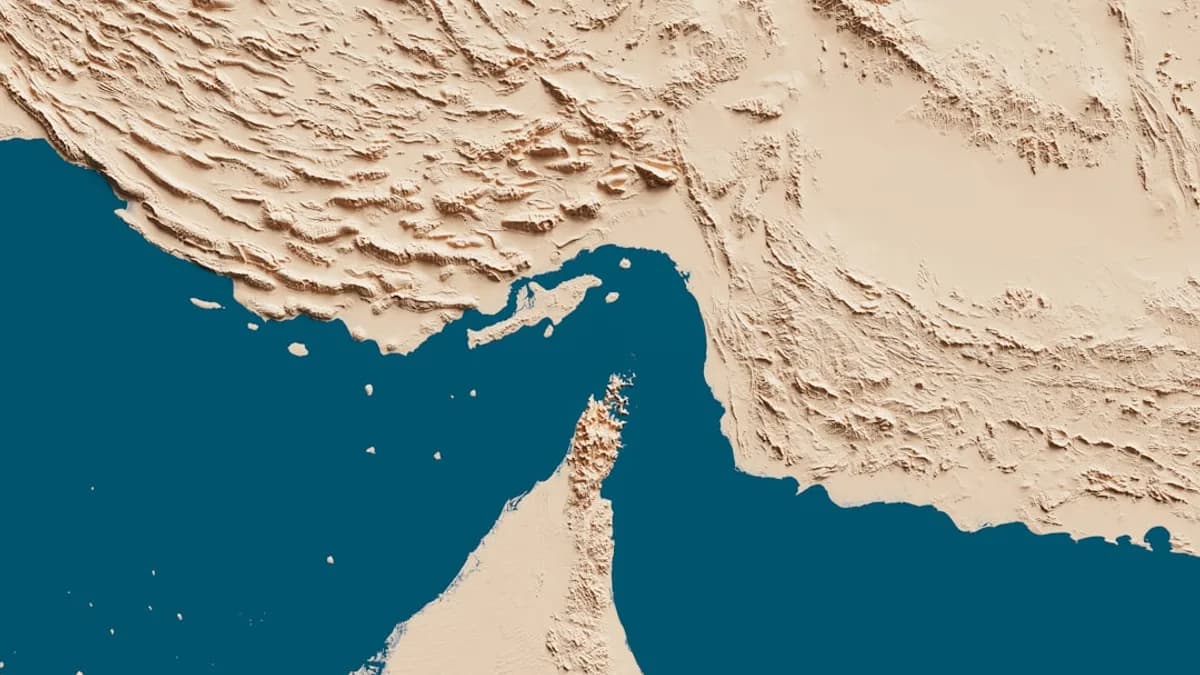
Central to the unfolding drama is the Strait of Hormuz, a narrow but critically important waterway that serves as a chokepoint for a significant proportion of the world’s maritime oil trade. The US blockade proposal, if implemented in this region, could have global ramifications—disrupting trade routes, raising energy prices, and potentially escalating military tensions across the Persian Gulf. As the world watches, questions remain about how such a blockade would be enforced and whether other nations will support the US initiative.
What Does a Naval Blockade Entail?
A naval blockade is a military strategy designed to prevent vessels from entering or leaving designated ports or coastal areas, thereby restricting the target nation’s access to goods and resources. Historically, blockades have played a pivotal role in conflicts such as the Cuban Missile Crisis and World War II, where naval power was used to isolate adversaries and exert economic pressure.
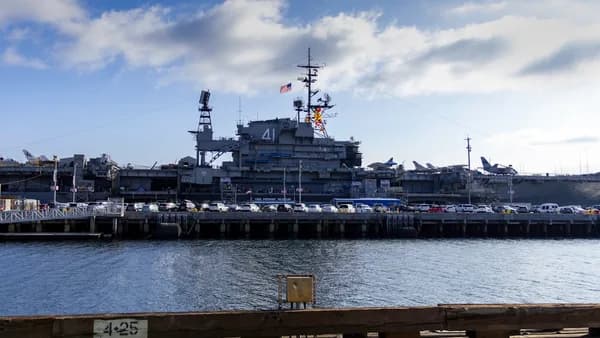
In the case of Iran, the US Navy would likely deploy warships and patrol vessels to key points along Iran’s coastline, particularly near major ports like Bandar Abbas. The enforcement of such a blockade would require extensive surveillance, the interception and inspection of commercial vessels, and potentially the use of force to deter or halt unauthorized maritime traffic [Source: Source]. Mine-sweeping operations would also be critical, especially in the Strait of Hormuz, where Iran has previously threatened to deploy naval mines as a defensive measure. Clearing mines is a complex and dangerous task, necessitating specialized ships and equipment to ensure safe passage for commercial and military vessels.
The US military has indicated readiness to block ships from Iran’s ports after diplomatic efforts failed, signaling a shift from negotiation to coercion [Source: Source]. Such operations would demand significant resources, coordination, and an ongoing commitment to maintaining naval superiority in the region. The risk of confrontation is high, as Iran may respond with asymmetric tactics, including the use of fast attack boats or missile strikes against US assets.
The Strategic Importance of the Strait of Hormuz
The Strait of Hormuz is a narrow maritime passage connecting the Persian Gulf to the Arabian Sea. At its tightest point, it is only about 21 miles wide, yet it is one of the most important transit routes for global energy supplies. Roughly one-fifth of the world’s oil—nearly 21 million barrels per day—passes through this strait, making it a vital artery for producers in the Middle East and consumers worldwide [Source: Source].
Enforcing a blockade in the Strait of Hormuz presents significant challenges. The waterway’s geography limits maneuverability and increases the risk of accidents or hostile encounters. Any disruption to shipping in this area could trigger immediate spikes in global oil prices and introduce volatility to energy markets. The narrowness and congestion also make it difficult to distinguish between commercial and military vessels, raising the potential for miscalculation or escalation.
For international shipping companies, the threat of a blockade or military conflict in the Strait of Hormuz forces a reevaluation of risk management strategies. Insurance premiums may rise, alternate routes are considered, and supply chains become more vulnerable to delays and disruptions. As such, the strategic importance of the Strait is matched by its fragility, and any attempt to control or restrict passage through it reverberates far beyond regional politics.
International Response: Lack of Support for the US Blockade
When former President Donald Trump announced the blockade, he asserted that other countries would join the US in enforcing restrictions on Iranian ports. However, weeks after the announcement, there are no confirmed takers among America’s traditional allies or other regional powers [Source: Source]. Despite initial discussions and diplomatic outreach, international support for the blockade has been conspicuously absent.
Several factors contribute to the reluctance of other nations to participate. First, many countries are wary of escalating military tensions in the Persian Gulf, fearing that involvement could threaten their own interests or provoke retaliation from Iran. Second, global powers such as the European Union, China, and Russia have emphasized the importance of maintaining open maritime routes and have called for de-escalation rather than confrontation [Source: Source]. Economic ties with Iran, as well as concerns about the legality and humanitarian impact of a blockade, further complicate commitments.
Additionally, the enforcement of a naval blockade requires significant military resources and carries risks of entanglement in a protracted conflict. As such, most countries are opting for diplomatic engagement and urging restraint, leaving the US to shoulder the burden of enforcement—if it pursues the blockade at all.
Potential Consequences of the Blockade
A blockade of Iranian ports would likely have profound implications for Iran’s economy, which relies heavily on oil exports for revenue. By restricting access to global markets, the US could intensify economic pressure on Tehran, undermining its ability to fund government operations and support regional allies [Source: Source]. However, the humanitarian impact could also be severe, affecting ordinary Iranians and exacerbating existing challenges.
Regionally, the blockade risks destabilizing the Persian Gulf, increasing the likelihood of military confrontations between US and Iranian forces. Iran has threatened to retaliate against any attempt to restrict its maritime access, raising the specter of missile attacks, sabotage, or proxy warfare targeting US assets and allied infrastructure [Source: Source]. The possibility of miscalculation or accidental escalation is significant, given the dense traffic and high stakes in the Strait of Hormuz.
Globally, the blockade could disrupt oil supply chains and drive up prices, affecting economies that depend on Middle Eastern energy. Shipping companies would face increased costs, delays, and risks, potentially shifting trade patterns and prompting recalibration of global energy strategies. The ripple effects of a prolonged blockade could extend far beyond the region, influencing everything from inflation rates to international diplomacy.
Conclusion: The Road Ahead and What to Watch
The US proposal to blockade Iran’s ports marks a dramatic escalation in an already volatile relationship and places the strategic Strait of Hormuz at the center of global attention. While the US has signaled its readiness to enforce such a blockade, international support remains elusive, and the risks of military confrontation are high [Source: Source]. The effectiveness and sustainability of the blockade depend not only on American resolve but also on the willingness of allies to commit resources and share the burden.
Key developments to monitor include the response of Iran to US actions, the evolution of diplomatic efforts, and the impact on global energy markets. International law and maritime norms will also be tested as the world navigates the legal and ethical implications of restricting access to one of its most important trade routes. As tensions continue to simmer, the road ahead is uncertain, and the stakes for global security and economic stability could not be higher.