Ukrainian Drone Attack Targets Russian Baltic Port and Shadow Fleet Tankers
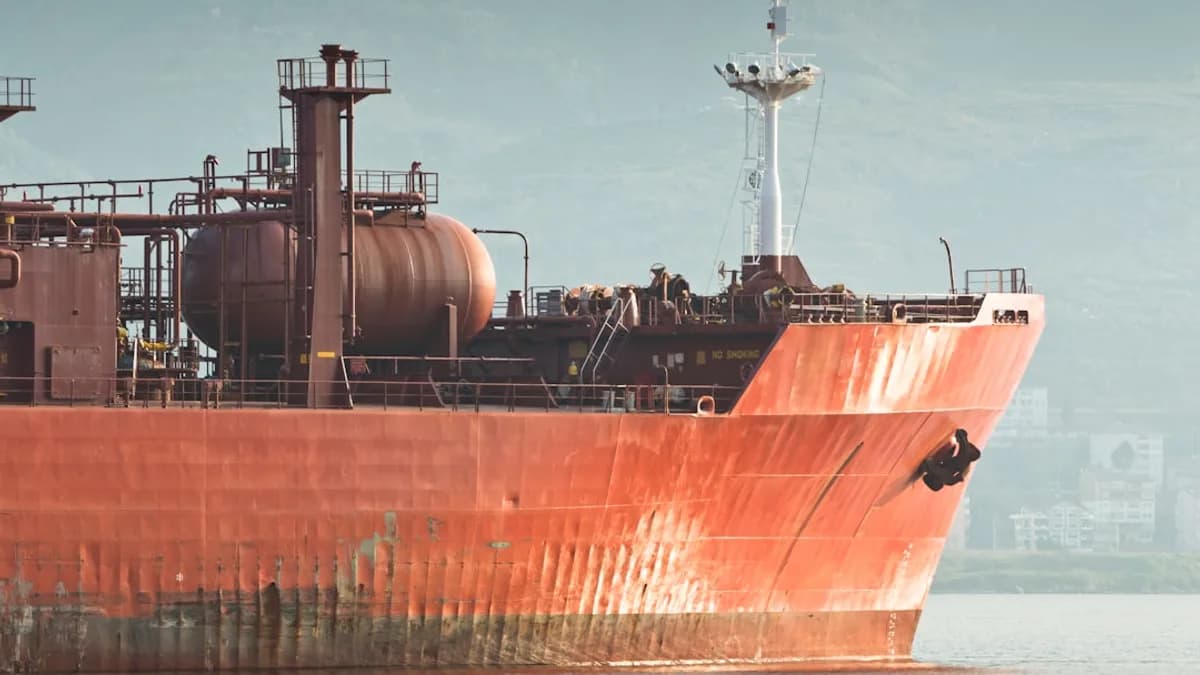
A Ukrainian drone barrage struck Russia’s Baltic port of Ust-Luga overnight, hitting key oil infrastructure and forcing a partial shutdown, according to regional governor Alexander Drozdenko. Hours later, Ukrainian forces targeted two “shadow fleet” oil tankers near Novorossiysk, President Volodymyr Zelenskyy said in a televised address. The coordinated operations mark one of Kyiv’s deepest strikes into Russian maritime territory since the full-scale invasion began, according to Al Jazeera.
Local Russian officials confirmed damage at the Baltic port’s fuel terminal but did not provide casualty figures. Ust-Luga, located 110 kilometers west of St. Petersburg, is a critical export point for Russian oil products and liquefied gas. Governor Drozdenko said emergency services contained fires within hours, but satellite imagery reviewed by independent analysts showed smoke and significant disruption across several berths by midday.
The strikes came just after midnight, with Zelenskyy claiming responsibility and vowing “continued pressure on Russian logistics and dark fleet operations.” Ukrainian military sources told local media at least six naval drones were used, with four reportedly reaching their targets. The attacks coincide with a spike in Black Sea drone activity and signal Kyiv’s intent to disrupt Russian energy flows far beyond the immediate war zone.
Strategic Impact of Ukrainian Strikes on Russian Naval and Oil Assets
Ust-Luga and Novorossiysk are not just ports—they’re lynchpins in Russia’s oil export machine. Ust-Luga handled more than 30 million tons of oil and petroleum products in 2025, making it Russia’s third-largest port by volume. Novorossiysk, meanwhile, anchors much of the so-called “shadow fleet”—aging tankers skirting Western sanctions to move Russian crude worldwide.
By targeting both, Ukraine is betting on economic attrition. Even a temporary halt at Ust-Luga can bottleneck export flows to Europe and Asia, pressuring global diesel and gas prices. Shadow fleet tankers, often uninsured and minimally crewed, are especially vulnerable. Damaging two in a single night sends a message to shipowners: the Black Sea and Baltic are no longer safe operating zones.
Russian officials have downplayed the attacks’ impact, but Moscow’s Ministry of Energy reportedly convened an emergency task force to assess vulnerabilities. The military’s Black Sea Fleet, already battered by months of Ukrainian drone raids, faces the prospect of diverting scarce assets north to the Baltic. Such a move could stretch Russian naval resources thinner than at any point since 2022.
The psychological effect matters too. Russian exporters and global commodity traders will be watching insurance rates—already up 20% in 2024 due to Black Sea risk—tick higher. Every new attack signals that previously “safe” corridors are in play, raising costs and complicating Kremlin efforts to keep oil revenue flowing.
What to Expect Next in the Ukraine-Russia Maritime Conflict
Ukraine’s willingness to extend drone operations into the Baltic marks a new phase. Expect both sides to escalate: Russia will likely boost air defenses and deploy more patrol craft at key ports, while Kyiv’s drone industry—flush with Western funding and battlefield experience—will keep probing for weak points.
The biggest unknown is whether international shipping gets caught in the crossfire. A major incident involving a neutral or Western-owned tanker could draw NATO criticism—or worse, intervention. Insurers are already reviewing coverage for routes passing near Ust-Luga and Novorossiysk. Lloyd’s of London, for example, expanded its list of “high-risk” Russian waters after the February 2024 drone attack near Feodosia.
Energy markets are bracing for volatility. Brent crude jumped 2% in overnight trading on news of the strikes, as traders priced in possible supply hiccups. If attacks on Russian terminals become routine, global diesel and gasoline prices could rise—especially as OPEC+ squeezes production elsewhere.
Watch for Moscow’s next move. If Russia retaliates with its own strikes on Ukrainian ports or escalates in the Black Sea, commercial traffic could face even tighter restrictions. For now, Ukraine has shown it can hit deep behind Russian lines, and Moscow’s maritime shield looks increasingly porous. The next weeks will show if this was a one-off—or the start of a new, riskier phase for global shipping and energy flows.
Why It Matters
- The strikes disrupt critical Russian oil export infrastructure, impacting global energy flows.
- Ukraine’s attacks signal an expanded reach, targeting assets far from the front lines.
- Damage to 'shadow fleet' tankers challenges Russian efforts to evade Western sanctions.