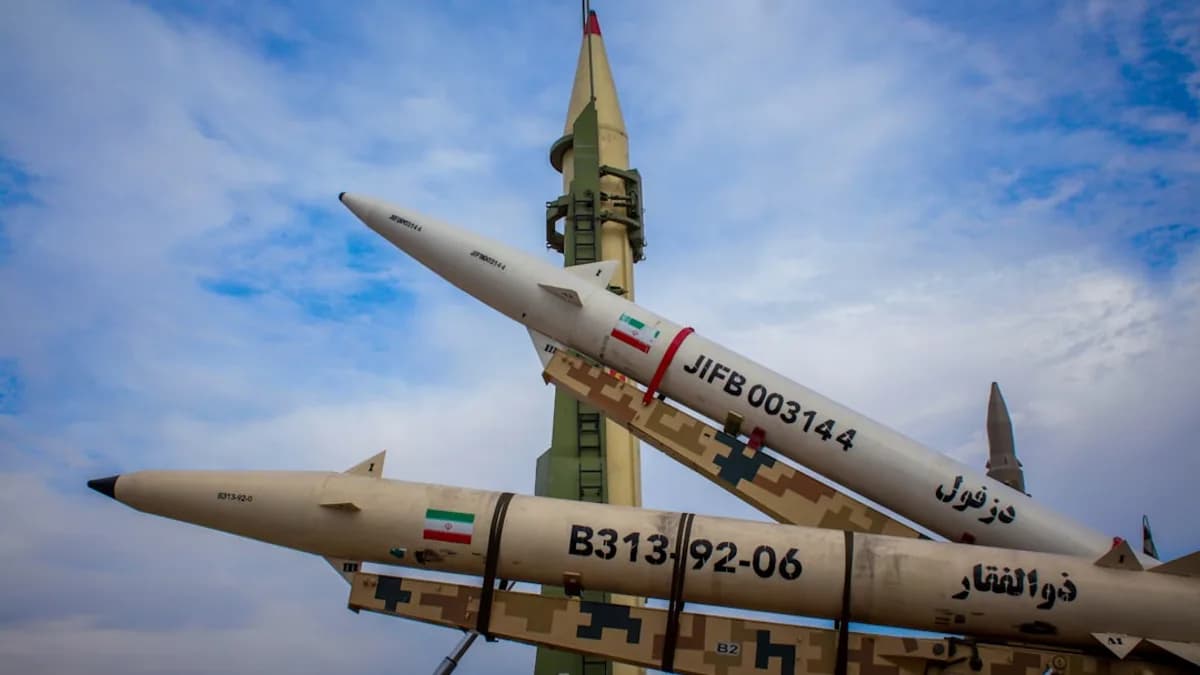
Introduction: Rising Tensions as Iran Ceasefire Nears Expiry
As the deadline for the Iran ceasefire draws dangerously close, the world watches with mounting concern. Former President Donald Trump’s ominous claim, delivered to PBS News, that “lots of bombs start going off” if the truce collapses, has injected fresh anxiety into already fraught international relations [Source: Source]. With peace talks at a standstill and both Washington and Tehran projecting confidence, the region teeters on the edge of escalation. This moment isn’t merely about rhetoric—it’s a crucible for global security, where the stakes extend far beyond the Middle East. The next moves by diplomats, leaders, and militaries could either reinforce a fragile peace or plunge the region into renewed conflict. In this analysis, we’ll dissect Trump’s warning, the underlying dynamics of U.S.-Iran relations, and the precarious balance between saber-rattling and genuine diplomacy.
Assessing Trump’s Statement: Realistic Threat or Political Posturing?
When Donald Trump warns that “lots of bombs start going off” if the Iran ceasefire ends, it’s tempting to dismiss the remark as classic Trumpian bluster—a familiar blend of hyperbole and calculated pressure [Source: Source]. Yet, this statement, coming at such a critical juncture, deserves closer scrutiny. Trump’s history shows a penchant for brinkmanship, using aggressive rhetoric to force adversaries to the negotiating table. During his presidency, this approach surfaced in dealings with North Korea and, memorably, with Iran itself after the U.S. withdrawal from the nuclear deal in 2018. The assassination of General Qasem Soleimani in January 2020 marked a flashpoint that brought the two nations perilously close to direct conflict.
But there’s a difference between rhetorical threats and actionable policy. Trump’s words, while unlikely to reflect an imminent operational plan, nonetheless have real-world consequences. They can heighten tensions, embolden hardliners on both sides, and box in policymakers who might otherwise seek de-escalation. Diplomatically, such statements risk undermining the delicate trust necessary for negotiations to continue. Public perception is also at stake: when leaders frame the situation in terms of inevitable violence, it narrows the space for peaceful solutions and conditions audiences—both domestic and foreign—for confrontation.
Moreover, in today’s hyperconnected media environment, messages intended for international adversaries often play as much to domestic political bases. Trump’s strongman image and willingness to issue “red lines” has long energized supporters, but it can also limit flexibility in crisis moments. The credibility of deterrence depends not just on threats, but on the willingness to follow through—a calculation fraught with risk when misperceptions abound. Ultimately, Trump’s statement is less a prediction than an attempt to shape the diplomatic battlefield. The danger lies in adversaries taking such warnings at face value—or calling the bluff, with disastrous results.
The Fragile ‘Gulf of Trust’ Between Iran and the U.S.
The phrase “Gulf of Trust” captures the chasm that has opened between Washington and Tehran [Source: Source]. Years of sanctions, proxy conflicts, cyberattacks, and mutual suspicion have left the relationship deeply scarred. The 2015 Joint Comprehensive Plan of Action (JCPOA) once offered a roadmap for cooperation, but after the U.S. exit in 2018, trust collapsed. Recent attempts at dialogue have been halting at best, with both sides wary of appearing weak or conceding too much.
This lack of trust is especially perilous given the high stakes. Mechanisms to prevent accidental escalation—such as military hotlines or direct communication channels—are either minimal or absent. In the absence of robust diplomatic engagement, even minor incidents can spiral out of control. The ongoing ceasefire, while a temporary reprieve, rests on a tenuous foundation. Each side harbors doubts about the other’s intentions, interpreting ambiguity as evidence of bad faith.
Negotiations, meanwhile, are beset by uncertainties. Domestic politics in both countries constrain diplomatic flexibility: in Iran, hardline factions resist engagement with the U.S., while in Washington, any overture toward Tehran is met with fierce criticism from hawks. Mistrust is further reinforced by actions on the ground—such as military exercises, missile tests, or support for regional proxies—that signal resolve but erode faith in dialogue.
History shows that fragile truces can hold—if underpinned by persistent, good-faith diplomacy and confidence-building measures. The U.S. and Soviet Union navigated decades of Cold War rivalry with a web of arms control agreements and crisis hotlines, even as they remained ideological foes. In the current U.S.-Iran context, rebuilding even a modicum of trust will require sustained engagement, creative diplomacy, and a willingness to take political risks. Otherwise, the “Gulf of Trust” may widen into open conflict.
Contrasting Perspectives: Both Sides Claiming Victory in the Conflict
A striking feature of the current standoff is the mutual conviction—on both sides—that they are “winning” the contest [Source: Source]. U.S. officials point to Iran’s economic woes, international isolation, and setbacks to its regional influence. Iranian leaders, in turn, tout their resilience in the face of sanctions, their ability to project power through allies in Iraq, Syria, and Lebanon, and the perceived failure of U.S. “maximum pressure” to achieve regime change.
This dueling narrative is not just political theater; it shapes strategic calculations and narrows room for compromise. Overconfidence breeds risk. When both parties believe time is on their side, they are less likely to make concessions or accept face-saving offramps. The danger is compounded by the fog of war and the lack of transparent metrics for “winning.” Success in asymmetric conflict is elusive, often measured in survival rather than victory.
Misperception further complicates diplomacy. The U.S. may underestimate Iran’s capacity for retaliation or its willingness to absorb pain for strategic gains. Iran, conversely, might misjudge U.S. resolve or the willingness of American allies to escalate. The Iraq War offers a sobering precedent: both Saddam Hussein and George W. Bush misread each other’s intentions, with tragic consequences.
In the current moment, mutual claims of victory risk fueling a self-fulfilling prophecy. If each side believes it can achieve its aims without negotiation, the incentive to seek compromise evaporates. The challenge for diplomacy is to puncture these illusions and foster a realistic appraisal of the costs—and limits—of confrontation.
The Role of U.S. Diplomacy: Sending Negotiators to Pakistan Amidst Suspicion
Against this backdrop, Trump’s announcement that he will send negotiators to Pakistan has added a new layer of intrigue [Source: Source]. Pakistan’s unique geopolitical position—as a neighbor to Iran, a nuclear-armed power, and a longtime U.S. partner—makes it a logical venue for backchannel talks. Islamabad has historically played a role in mediating between the U.S. and regional actors, sometimes with success.
Yet, the decision is not without risks. Iranian officials have already voiced suspicions, warning that the move could be a “trap”—a ploy to extract concessions or set up a diplomatic ambush. Such skepticism is not unfounded: previous talks have been marred by leaks, shifting objectives, and a lack of follow-through. The opacity of U.S. intentions, especially under Trump’s unpredictable leadership style, compounds Iranian wariness.
Diplomacy, at its core, relies on a degree of mutual trust and predictability. Moves that are perceived as unilateral or coercive can deepen mistrust, making adversaries less likely to engage in good faith. On the other hand, creative diplomacy—using third-party venues, secret channels, or confidence-building steps—has often broken deadlocks in protracted conflicts. The 1979 Camp David Accords and the 2015 JCPOA both involved unconventional diplomatic strategies.
The key is transparency and a willingness to address core grievances. If U.S. negotiators approach the Pakistan talks with flexibility and a genuine commitment to dialogue, there is potential to lay groundwork for a broader settlement. If, instead, the talks are seen as a public relations maneuver or a prelude to escalation, the trust deficit will only widen.
Opinion: Navigating Between Escalation and Diplomacy in U.S.-Iran Relations
As the ceasefire clock ticks down, the world faces a pivotal choice: double down on aggressive posturing, or invest in the hard work of diplomacy. The former path—marked by inflammatory statements and maximalist demands—carries grave risks. History is replete with conflicts sparked not by deliberate intent, but by miscalculation, miscommunication, or an inability to recognize the moment for compromise.
Trump’s rhetoric, while effective at generating headlines, is ill-suited to the delicate business of conflict prevention. Statements about “bombs going off” may play well with certain audiences, but they undermine ongoing diplomatic efforts and embolden those on both sides who thrive on confrontation. They also complicate the task of U.S. allies and partners, who are often left to interpret or reassure in the wake of ambiguous signals from Washington.
Neither side can achieve its maximal objectives without incurring unacceptable costs. Iran cannot simply wait out U.S. pressure and expect relief without engagement; the U.S. cannot coerce Tehran into capitulation without risking regional conflagration. The way forward is not through threats, but through sustained, transparent negotiations—ideally with international backing and verification. Multilateral frameworks, robust verification mechanisms, and phased confidence-building measures have proven their worth in past arms control agreements.
Ultimately, responsible leadership demands the courage to resist the lure of escalation and the discipline to pursue peace even when it is politically inconvenient. The alternative is a slide into conflict that would devastate not only the region, but the credibility of the international system itself.
Conclusion: The Urgent Need for Responsible Leadership to Prevent Conflict
As the Iran ceasefire’s expiration looms, the specter of renewed violence grows more real. Without effective, measured diplomacy, the risk of miscalculation—and catastrophic escalation—is acute. The world cannot afford the luxury of reckless rhetoric or the illusion of easy victories. What’s needed now is leadership—on both sides—that privileges peace over political gain, and dialogue over dangerous posturing. The consequences of failure will not be contained to the Gulf; they will reverberate across global markets, security alliances, and the fragile architecture of international order. The time for responsible, forward-looking action is now—before “lots of bombs” become more than just words.