Introduction: Incident Overview and Immediate Reactions
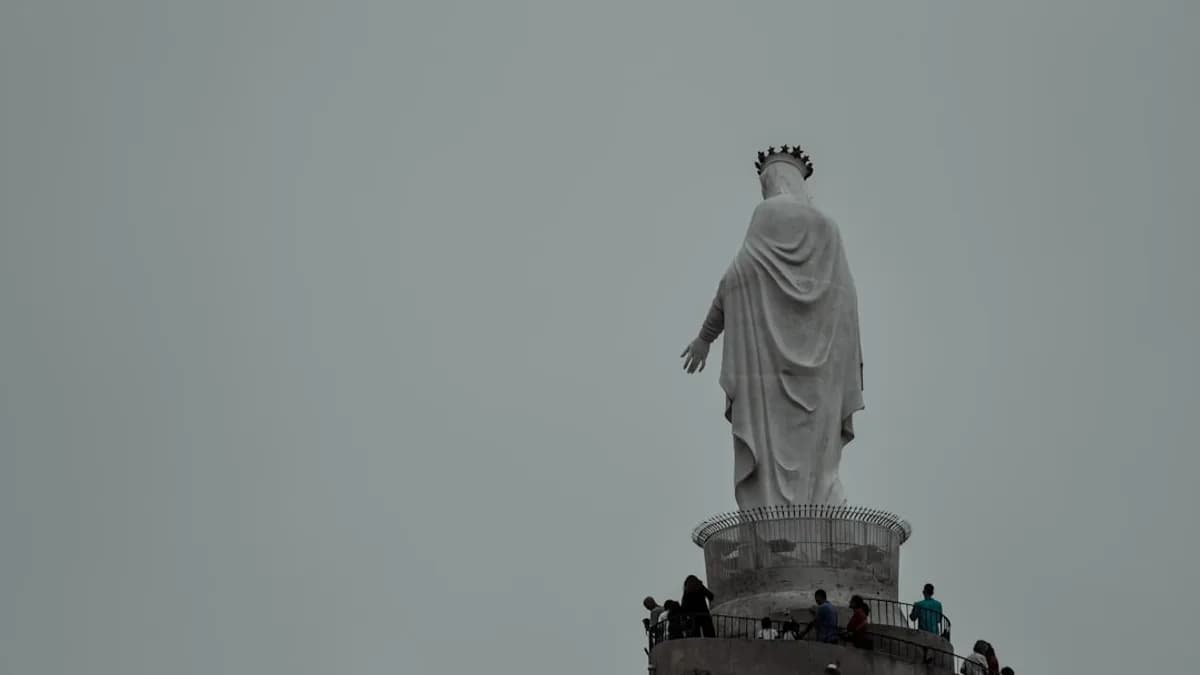
When images surfaced of an Israeli soldier striking a statue of Jesus with a sledgehammer in southern Lebanon, condemnation was swift and unequivocal. Israeli Prime Minister Benjamin Netanyahu publicly denounced the act, calling it a "grave offense," while the Israel Defense Forces (IDF) announced an immediate investigation into the incident [Source: Source]. For many, the desecration was not just a moment of individual misconduct—it was an affront to a region already brimming with religious and sectarian sensitivities. The statue, located in a predominantly Christian area near the Israeli-Lebanese border, holds deep spiritual significance for local communities and serves as a potent symbol of their enduring faith amid conflict. In a landscape where every gesture is scrutinized and amplified, the soldier's actions reverberated far beyond the immediate scene, igniting debate across political, religious, and diplomatic spheres.
The Symbolism of Religious Desecration in Conflict Zones
Religious symbols in Lebanon are not mere markers of faith—they are living testaments to centuries of coexistence, strife, and negotiation among diverse communities. The Jesus statue damaged in this incident is emblematic of the Christian presence in the south, a region where religious identity is deeply woven into the social fabric. Lebanon itself is a mosaic of sects: Maronite Christians, Sunni and Shia Muslims, Druze, and others coexist in an uneasy equilibrium shaped by a history of civil war and foreign intervention.
Acts of desecration, especially in conflict zones, carry outsize symbolic weight. They are rarely seen as isolated events. Instead, they often become flashpoints that inflame sectarian tensions and deepen mutual distrust. In the Middle East, where religious sites have frequently been targets during wars—whether the destruction of mosques in Syria, attacks on churches in Iraq, or past vandalism of synagogues—such incidents can catalyze cycles of retaliation. They also risk undermining fragile attempts at peace, as communities interpret these acts as attacks not just on objects, but on their very identity and existence.
Moreover, the impact on interfaith relations is profound. When a sacred symbol is defaced by a member of an occupying or opposing force, it can erode years of painstaking dialogue and reconciliation efforts. Trust, once shattered, is difficult to rebuild. International humanitarian law explicitly protects religious sites in conflict, recognizing that their desecration can escalate violence and sabotage peacebuilding. The actions of one soldier, therefore, reverberate through entire communities, making the need for cultural sensitivity and respect all the more urgent.
Military Discipline and Accountability: The Israeli Army’s Response
The IDF’s decision to investigate the soldier and issue a public condemnation is both a legal necessity and a strategic imperative [Source: Source]. Militaries operating in volatile environments must navigate a minefield of ethical and reputational hazards. Discipline is not merely a matter of internal order; it shapes how armed forces are perceived at home and abroad. In an era where every incident can be instantly broadcast and dissected globally, lapses in conduct can fuel anti-Israel sentiment, embolden adversaries, and complicate alliances.
Historically, the IDF has prided itself on the concept of "purity of arms," a doctrine emphasizing ethical conduct even during hostilities. Yet, as with any large institution, lapses occur—sometimes with devastating consequences for the army’s legitimacy. Quick, transparent accountability is essential not only for justice but also for maintaining the morale of the force and the confidence of the public. How the IDF handles this investigation will be closely watched by human rights observers, religious leaders, and international partners alike.
Domestically, Israel's pluralistic society includes Christians, Muslims, and Jews, all of whom have a stake in how the state protects religious freedoms. Internationally, the incident risks feeding a narrative of disrespect for the cultural heritage of neighboring populations. By taking visible action, the Israeli military signals that such behavior is an aberration, not the norm—a message crucial for diplomatic relations and the broader legitimacy of Israeli operations in Lebanon.
Broader Implications for Israeli-Lebanese Relations and Regional Stability
While this incident may appear minor in the context of ongoing hostilities, its symbolic power should not be underestimated. Israeli-Lebanese relations are shaped by decades of conflict, intermittent skirmishes, and a lingering absence of formal peace. Every incident at the border—whether rocket fire, incursions, or acts of vandalism—carries the risk of escalation.
Desecrating a Christian symbol in Lebanon injects a new and particularly volatile variable into this equation. Lebanese politicians, already under pressure from various factions, may seize on the event to harden their stance against Israel. Hezbollah, which positions itself as a defender of Lebanon’s sovereignty and religious heritage, could use the incident as propaganda, rallying support and justifying further militarization along the border.
Diplomatically, such acts complicate the work of mediators and international agencies seeking to prevent violence. The United Nations Interim Force in Lebanon (UNIFIL), tasked with maintaining stability in the border area, now faces an additional challenge: reassuring local communities that their safety and dignity will be respected by all parties. Even if the IDF acts swiftly to punish the perpetrator, the perception of impunity or insensitivity can linger, undermining confidence in peacekeeping efforts and future negotiations.
The role of media coverage is pivotal here. In a digital age, images and stories travel across borders in seconds, often stripped of nuance. The narrative that emerges—of occupation, disrespect, and religious antagonism—can inflame passions far from the original site. Political actors on all sides are acutely aware of this dynamic and often tailor their responses as much for international audiences as for their own constituencies. Incidents like these, therefore, become more than local controversies; they morph into regional and even global flashpoints, with implications for everything from tourism to foreign aid.
Opinion: The Need for Respect and Restraint in Military Conduct
If history teaches us anything, it is that respect for cultural and religious symbols is not a luxury in conflict zones—it is a necessity. The destruction or desecration of sacred objects rarely accomplishes tactical objectives. Instead, it sows lasting resentment, galvanizes opposition, and undermines any claims of moral high ground. For military forces operating in such environments, cultural sensitivity must be baked into training, doctrine, and command culture.
The IDF’s swift condemnation is a positive first step, but more is required. Robust training programs, scenario-based exercises, and ongoing education about the religious and cultural landscapes in which soldiers operate can help prevent incidents before they occur. These are not abstract exercises in political correctness; they are pragmatic measures to reduce friction, prevent escalation, and support long-term strategic objectives. The United States military, for example, has invested heavily in cultural awareness training following damaging incidents in Iraq and Afghanistan—sometimes learning the hard way that ignorance can be as dangerous as enemy fire.
Leadership also matters. Senior commanders must set a clear tone: violations of respect toward local populations and their symbols will not be tolerated. This is not just about avoiding international censure; it is about upholding the values that democratic militaries claim to defend. In the context of Israeli-Lebanese relations, where reconciliation often feels out of reach, demonstrating restraint and respect can open small but meaningful channels for dialogue.
Ultimately, the dignity of local communities must be protected, not just for humanitarian reasons but for the pragmatic aim of building peace. Every incident of disrespect is a setback for those working—often quietly and at great personal risk—to bridge divides and foster coexistence. Military professionalism demands not just tactical skill but also moral awareness.
Conclusion: Lessons and the Path Forward
The sledgehammer incident in southern Lebanon is a stark reminder of the stakes at play when military power intersects with sacred space. Accountability and respect are not optional add-ons; they are core to any hope of stability in the region. The IDF’s investigation should be thorough and transparent, not only to deliver justice but to send a message that such acts will not be tolerated.
If there is a silver lining, it is that moments like this can spark overdue conversations about the conduct of armed forces in sensitive environments. By learning from mistakes, investing in cultural competence, and setting a higher bar for ethical behavior, militaries can support—not sabotage—the difficult work of reconciliation. For Israelis, Lebanese, and all those invested in peace, the challenge now is to turn outrage into action and ensure that respect for the sacred becomes a cornerstone of any future engagement.