Introduction: Rising Tensions Between the US and Iran
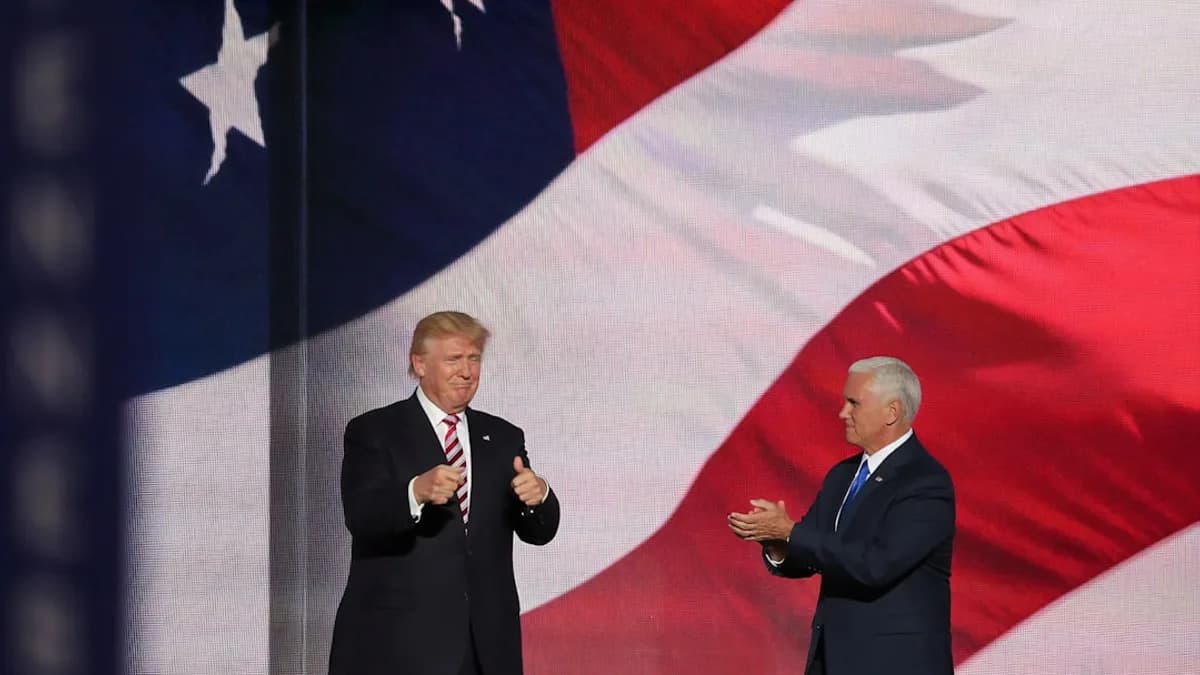
Tensions between the United States and Iran have intensified following recent diplomatic and military developments. Former President Donald Trump announced that a US delegation will travel to Islamabad on Monday, raising questions about Washington’s next steps in the region [Source: Source]. Meanwhile, Iran has categorically rejected a second round of peace talks with the US, quashing hopes for a thaw in relations. The decision comes amid ongoing diplomatic challenges, including the US seizure of an Iranian cargo ship—a move that further complicates the prospects for negotiation. These events underscore the fragile state of US-Iran relations and highlight the broader challenges facing efforts to stabilize the Middle East.
Trump's Announcement on US Delegation to Islamabad
In a statement on Friday, former President Trump revealed plans for a US delegation to travel to Islamabad at the start of the week. The group is expected to engage in discussions aimed at addressing regional security concerns, with a particular focus on the escalating conflict between the US and Iran [Source: Source]. Islamabad, the capital of Pakistan, has emerged as a strategic diplomatic venue, given its historical ties to both Washington and Tehran. The delegation’s agenda reportedly includes talks with Pakistani officials and other regional stakeholders about potential avenues for de-escalation.
The choice of Islamabad is significant. Pakistan has often played a mediating role in Middle Eastern affairs, leveraging its relationships with both Western powers and Iran. The upcoming visit is seen by analysts as an attempt to explore back-channel diplomacy, especially as formal negotiations between the US and Iran have stalled. While details of the specific objectives remain unclear, Trump’s announcement signals a renewed US effort to engage with regional partners and possibly lay the groundwork for future peace initiatives. The outcome will likely have implications not only for US-Iran relations, but also for the broader stability of South and Central Asia.
Iran's Rejection of Peace Talks
Despite US efforts to restart negotiations, Iranian state media reported that Tehran has “no plans to participate” in talks with Washington [Source: Source]. This marks a decisive shift from earlier this year, when Iranian officials indicated that discussions to end the war had made some progress, even as both sides remained “far” from a comprehensive deal [Source: Source]. Iranian Foreign Ministry spokespersons have emphasized that the US must first address key concerns—including the lifting of sanctions and cessation of hostile actions—before any new dialogue can begin.
The rejection follows a pattern of cautious engagement by Iran. Previous rounds of talks were characterized by guarded optimism, but ultimately broke down over disagreements on sanctions relief and regional security guarantees. Iranian officials have cited the recent US seizure of their cargo ship as a breach of trust, further diminishing prospects for negotiation [Source: Source]. The government’s strategic calculus appears rooted in a desire to avoid what it perceives as unequal terms, especially in light of continued US pressure.
Analysts suggest that Tehran’s stance reflects both domestic and international considerations. With hardline factions gaining influence, Iran is less likely to make concessions without clear assurances from the US. At the same time, the refusal to enter talks could be aimed at strengthening Iran’s bargaining position, signaling resolve to both allies and adversaries. The move leaves diplomatic channels largely closed, complicating efforts to resolve the conflict and increasing the risk of escalation.
US Seizure of Iranian Cargo Ship and Its Impact
The US seizure of an Iranian cargo ship has injected new volatility into the diplomatic landscape. According to reports, US authorities intercepted the vessel as part of ongoing sanctions enforcement, citing concerns over its cargo and alleged links to prohibited activities [Source: Source]. Tehran condemned the action, labeling it as an “act of aggression” and warning of possible retaliatory measures.
This incident has further soured relations between the two countries. Iranian officials have pointed to the seizure as evidence of US duplicity, arguing that such actions undermine efforts to build trust and make meaningful progress in negotiations. The international community has responded with calls for restraint, urging both sides to avoid actions that could spark a wider conflict. The cargo ship episode is widely seen as a direct trigger for Iran’s refusal to participate in new talks, reinforcing the perception that Washington’s “maximum pressure” campaign remains unchanged.
The fallout from the seizure illustrates the delicate balance between enforcement and diplomacy. While the US maintains that sanctions are necessary to curb Iran’s activities, Tehran views them as unjust and counterproductive. The incident has set back any momentum for dialogue, leaving both sides entrenched in their positions.
Broader Implications for US-Iran Relations and Regional Stability
The current impasse between the US and Iran is emblematic of deeper challenges facing the region. With formal negotiations suspended and trust at a low ebb, prospects for peace and security in the Middle East are increasingly uncertain. The risk of miscalculation or escalation remains high, particularly as both sides continue to engage in provocative actions.
Third-party countries like Pakistan have emerged as potential mediators, given their ability to facilitate dialogue without the baggage of direct confrontation. Islamabad’s role in upcoming talks underscores the importance of regional actors in shaping the trajectory of the conflict [Source: Source]. However, the absence of Iranian participation and the persistence of US sanctions suggest that any breakthrough will be difficult to achieve.
Looking ahead, observers warn that the stalemate could have broader consequences. Continued tension may encourage proxy conflicts, disrupt energy supplies, and destabilize neighboring countries. The international community has called for renewed diplomatic efforts, but the path forward remains unclear. Until both sides are willing to make substantive concessions, the prospects for resolving the crisis—and securing lasting peace—are slim.
Conclusion: Uncertain Path Ahead for Diplomacy
Recent developments between the US and Iran highlight the precariousness of diplomatic efforts in the region. Trump’s announcement of a US delegation to Islamabad signals ongoing engagement, but Iran’s rejection of talks and the cargo ship seizure have deepened mistrust [Source: Source]. The fragile nature of negotiations underscores the need for careful monitoring as events unfold. With tensions high and diplomatic channels closed, the future of US-Iran relations remains uncertain, and the challenge of achieving peace in the Middle East persists.