Introduction: Overview of the Recent Measles Case in Maryland
Maryland health officials have confirmed a new case of measles in a resident who recently returned from international travel. The patient, identified as a Baltimore-area resident, was diagnosed shortly after their return, prompting swift action from public health authorities to assess and limit potential exposure risks [Source: Source]. This confirmed case marks a significant concern for both local and state health departments, as measles—once considered eliminated in the United States—has been making a troubling comeback in recent years. The timing of this case, amid heightened global travel and waning vaccination rates, underscores the ongoing vulnerability of communities to highly infectious diseases. Authorities are now working diligently to trace contacts, alert those who may have been exposed, and reinforce the critical importance of vaccination in preventing future outbreaks.
Understanding Measles: Symptoms, Transmission, and Risks
Measles is a highly contagious viral infection caused by the measles virus (rubeola). It is transmitted primarily through respiratory droplets when an infected person coughs or sneezes, and the virus can linger in the air for up to two hours after exposure. This ease of airborne transmission means that measles can quickly spread in public spaces, especially among unvaccinated individuals.
The disease typically begins with symptoms such as high fever, cough, runny nose, and red, watery eyes, followed by the appearance of a distinctive red rash that usually starts on the face and spreads downward. While most people recover fully, measles can cause severe complications, particularly in young children, pregnant women, and those with weakened immune systems. Potential complications include pneumonia, encephalitis (brain swelling), and, in rare cases, death. According to the Centers for Disease Control and Prevention (CDC), about one in five unvaccinated people in the U.S. who get measles will require hospitalization.
International travel increases the risk of exposure, as measles is still prevalent in many parts of the world where vaccination rates lag. Travelers can unknowingly bring the virus back to areas with susceptible populations, igniting new outbreaks even in regions where measles was previously under control [Source: Source].
Public Health Response and Exposure Sites in Maryland
Following the confirmation of the measles case, Maryland health officials launched a comprehensive investigation to identify potential exposure sites and alert the public. Key locations of concern include Baltimore/Washington International Thurgood Marshall Airport (BWI) and various sites in Baltimore, where the patient may have been present during their infectious period [Source: Source]. Authorities have published a list of specific locations and times to allow anyone who may have been exposed to monitor their health and seek medical attention if symptoms develop.
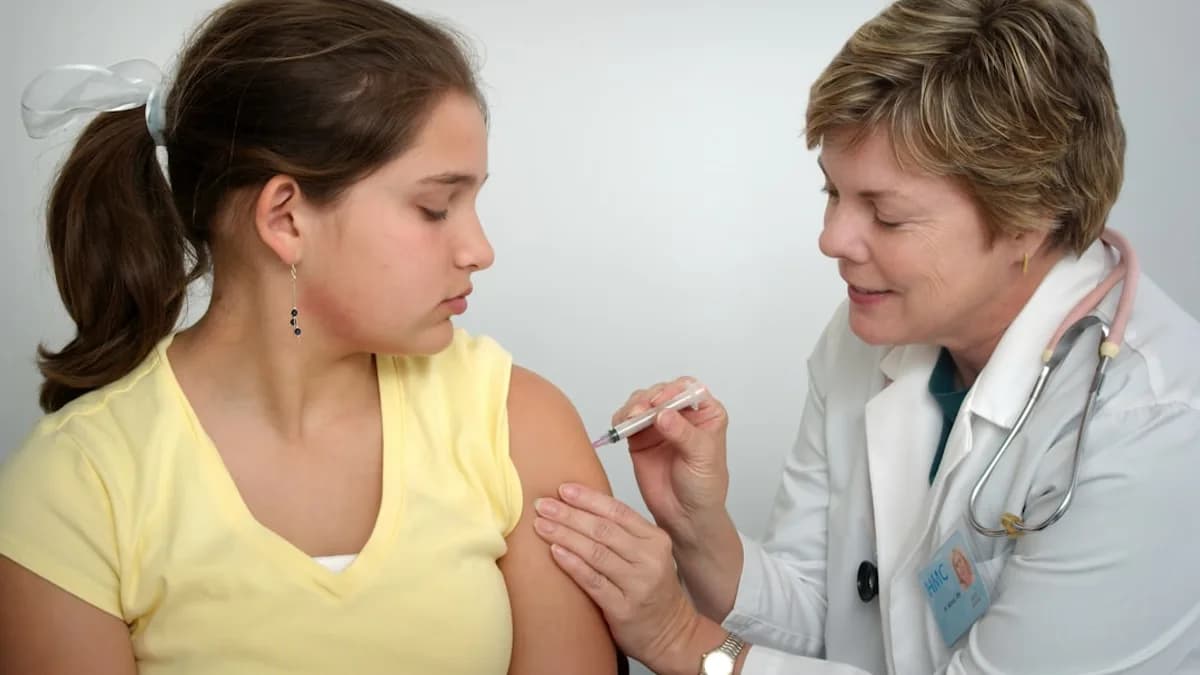
Maryland’s Department of Health is working closely with local hospitals, clinics, and the CDC to contain the spread. Measures include contact tracing, notifying potentially exposed individuals, and offering post-exposure prophylaxis (such as the MMR vaccine or immune globulin) to those at risk. The public has been urged to review their vaccination records, especially if they were at any of the identified exposure sites.
Public health officials have also intensified outreach efforts to educate the community about measles symptoms and the importance of timely vaccination. Their rapid response aims to limit further transmission and reassure residents that steps are being taken to protect public health [Source: Source].
Analysis of Measles Resurgence and Vaccination Challenges
The Maryland case comes amid a resurgence of measles cases both in the United States and globally. After achieving elimination status in the U.S. in 2000, measles has made a comeback in recent years. Outbreaks have been reported in multiple states, often linked to international travel and clusters of unvaccinated individuals. The World Health Organization (WHO) has also noted a significant increase in global measles cases, fueled by disruptions in routine immunization during the COVID-19 pandemic and ongoing vaccine hesitancy.
Vaccine hesitancy—driven by misinformation, distrust in health authorities, and complacency—remains a major barrier to achieving the high vaccination rates needed for community immunity. The measles, mumps, and rubella (MMR) vaccine is highly effective, with two doses providing about 97% protection against measles. However, pockets of under-vaccinated populations can serve as reservoirs for the virus, enabling outbreaks that threaten even those who cannot be vaccinated for medical reasons.
Public health experts warn that complacency can quickly reverse decades of progress. Outbreaks like the one now being investigated in Maryland highlight the interconnectedness of global health and the vital role of vaccination in safeguarding communities. The need for accurate public information, strong immunization infrastructure, and proactive policy measures has never been more evident [Source: Source].
Implications for Maryland Residents and Travelers
For Maryland residents, the confirmed measles case is a timely reminder to check vaccination status. Health officials recommend that all adults and children, particularly those born after 1957 who have not had measles or been vaccinated, ensure they are up-to-date with the MMR vaccine. Recognizing early symptoms—such as fever, cough, and rash—is crucial, especially for those who may have visited the identified exposure sites.
Travelers, especially those heading to countries with ongoing measles transmission, should consult healthcare providers about vaccination at least several weeks before departure. Infants as young as six months can receive an early dose of the MMR vaccine if travel is planned. Those returning from international destinations should remain vigilant for symptoms and seek prompt medical advice if illness develops.
The incident may prompt Maryland to review and strengthen public health policies, including vaccination requirements for certain groups and enhanced surveillance at ports of entry. Community awareness campaigns are likely to be intensified, emphasizing the shared responsibility to protect vulnerable populations through vaccination and early detection [Source: Source].
Conclusion: Lessons Learned and Future Preparedness
The recent measles case in Maryland serves as a compelling reminder of the ongoing threat posed by vaccine-preventable diseases in a globalized world. Although measles was once declared eliminated in the United States, declining vaccination coverage and increased international travel have reopened the door to outbreaks. The swift response by Maryland health officials demonstrates the importance of vigilance, transparent communication, and robust public health infrastructure.
To prevent future outbreaks, communities must prioritize immunization, promptly address misinformation, and support timely public health interventions. Cooperation among individuals, healthcare providers, and policymakers is essential to safeguarding public health. As this case shows, the fight against measles—and other infectious diseases—requires sustained commitment and a collective effort to ensure that everyone is protected [Source: Source].