Introduction: Understanding the Strait of Hormuz and Recent U.S.-Iran Tensions
The Strait of Hormuz, a narrow waterway linking the Persian Gulf to the Gulf of Oman, has once again become the focal point of escalating tensions between the United States and Iran. In a dramatic turn, the U.S. government has initiated a naval blockade in the region, aiming to control passage through this strategic chokepoint. President Donald Trump has publicly vowed to sink any Iranian ships that approach or attempt to breach the blockade, raising fears of direct military confrontation [Source: Source]. These developments mark a significant escalation in the longstanding rivalry between Washington and Tehran, with global implications for energy security and geopolitical stability.
The situation has rapidly evolved, with both sides exchanging threats and deploying military assets to the region. As the world watches closely, the stakes for global oil markets, regional security, and international diplomacy have rarely been higher. Understanding why the Strait of Hormuz is so important—and why these recent actions matter—is essential to grasping the potential consequences of this crisis.
The Strategic Importance of the Strait of Hormuz
The Strait of Hormuz is a maritime artery that holds immense importance for the global economy. At its narrowest, the strait is only about 21 miles wide, yet it serves as the primary exit point for nearly a third of the world’s seaborne oil shipments. On average, between 18 and 20 million barrels of oil pass through the Strait of Hormuz each day, along with substantial volumes of liquefied natural gas (LNG) [Source: Source]. The waterway is bordered by Iran to the north and the United Arab Emirates and Oman to the south.
Any disruption to traffic through the Strait of Hormuz has the potential to send shockwaves across global energy markets. Most oil-exporting countries of the Gulf—including Saudi Arabia, Iraq, Kuwait, and the UAE—depend on this passage to reach customers in Asia, Europe, and beyond. Energy-importing nations, from China to Japan and Western Europe, monitor the security of the strait closely, knowing that instability could drive up oil prices, disrupt supply chains, and undermine economic growth.
Control over the Strait of Hormuz is not just an economic issue but a geopolitical one. The ability to block or guarantee safe passage through the strait provides leverage in regional power dynamics and international negotiations. This is why both the U.S. and Iran have repeatedly emphasized the importance of maintaining—or challenging—the status quo in the waterway.
Details of the U.S. Blockade and Trump's Threats
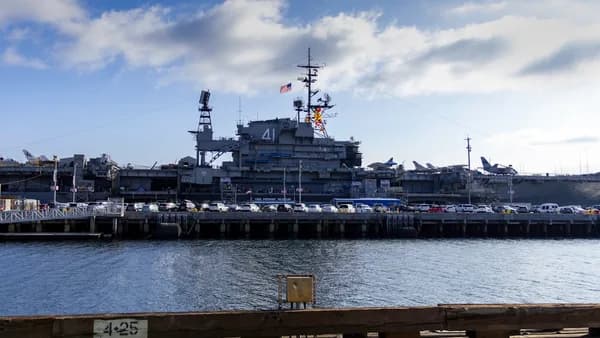
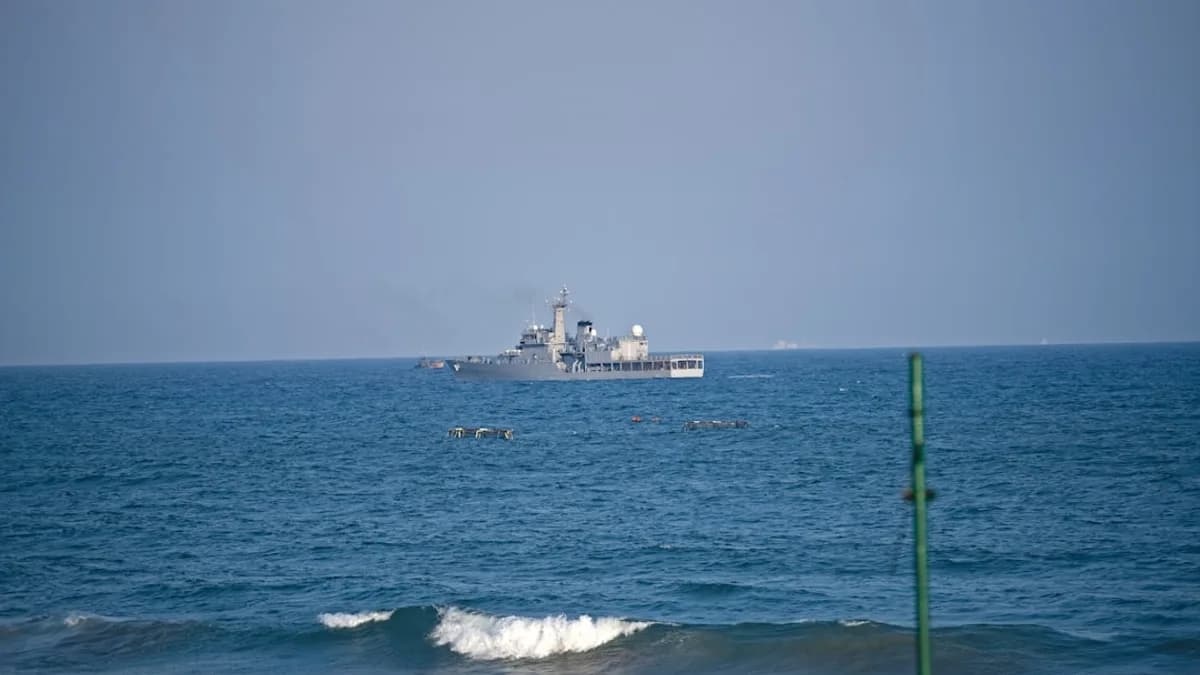
The recent U.S. naval blockade of the Strait of Hormuz is a bold and risky maneuver. According to official announcements, the U.S. Navy has deployed a substantial force to the area, including aircraft carriers, destroyers, and support vessels, with the explicit goal of intercepting and inspecting ships suspected of carrying prohibited cargo or supporting hostile activities [Source: Source]. The blockade is being enforced in close coordination with several U.S. allies in the region, although some partners have expressed reservations about the risks involved.
President Trump has taken the rhetoric further by issuing a stark warning: any Iranian warship that approaches the U.S. blockade will be sunk. In a series of public statements and social media posts, Trump declared, “If Iranian attack ships get near our blockade, we will sink them—no questions asked” [Source: Source]. He has characterized the blockade as a defensive measure, designed to counter what Washington describes as Iran’s destabilizing actions in the Gulf.
The threats carry significant legal and military implications. Under international law, blockades are considered acts of war. The United Nations Convention on the Law of the Sea (UNCLOS) grants all nations the right of innocent passage through international straits; however, the U.S. and Iran have a history of disputing each other's interpretations of these rules. The prospect of sinking Iranian ships raises the risk of rapid escalation, as Iran could retaliate by targeting U.S. or allied vessels, mining the strait, or launching attacks on Gulf infrastructure.
Iran's Position and Response to the Blockade
Iran’s government has responded to the U.S. blockade and Trump’s threats with a mix of defiance and warnings. Senior Iranian military officials have condemned the blockade as an illegal act of aggression, vowing to defend Iran’s sovereignty and interests in the Persian Gulf [Source: Source]. “Any hostile action in our waters will receive a crushing response,” said an Iranian Revolutionary Guard Corps (IRGC) commander in a televised address.
Historically, Iran has relied on asymmetric naval tactics in the Strait of Hormuz, including the use of small, fast attack craft, mine-laying, and swarm tactics to challenge larger adversaries. The IRGC Navy has frequently conducted exercises simulating the closure of the strait and has previously threatened to block the passage of oil in response to economic sanctions or military threats.
The risk of direct military confrontation is now higher than at any time in recent years. Experts warn that even a minor incident—such as a clash between patrol boats or a misidentified vessel—could escalate rapidly, drawing in regional and global powers. Both sides have signaled that they do not seek full-scale war, but the rhetoric and deployments create a volatile environment with little margin for error.
Impact on Global Oil Markets and Economy
The immediate fallout from the U.S. blockade and heightened U.S.-Iran tensions has been felt keenly in global oil markets. Oil prices spiked sharply following news of the blockade and Trump’s threats, with Brent crude and West Texas Intermediate (WTI) both experiencing double-digit percentage gains in a matter of days [Source: Source]. Traders are pricing in the risk of a prolonged supply disruption, given that no alternative route exists for much of the Gulf’s oil exports.
Market volatility has also increased, with energy-importing countries scrambling to secure alternative supplies and strategists warning of potential shortages if the standoff continues. For countries highly dependent on Gulf oil—such as India, Japan, South Korea, and several European states—the possibility of extended disruption could lead to higher energy costs, inflation, and slower economic growth.
Beyond short-term price shocks, the crisis in the Strait of Hormuz has prompted renewed debates about energy security, diversification of supply routes, and the need for strategic reserves. If tensions persist or escalate into open conflict, experts warn that the global economy could face a new round of instability, reminiscent of previous oil shocks in the 1970s and 1980s.
International Reactions and Diplomatic Efforts
The U.S. blockade and escalating rhetoric have triggered a wave of international responses. Key American allies, including the United Kingdom, France, and Japan, have called for restraint and urged both sides to avoid actions that could trigger a wider conflict [Source: Source]. Russia and China have criticized the U.S. move as provocative, while expressing support for diplomatic solutions to safeguard the free flow of energy.
International organizations, including the United Nations and the International Maritime Organization (IMO), have expressed concern over the risks to global shipping and urged all parties to respect international law. Diplomatic channels remain active, with several countries offering to mediate or facilitate negotiations to de-escalate the crisis.
While no breakthrough has yet been achieved, the focus remains on preventing a military confrontation and preserving the stability of global energy markets. The willingness of both the U.S. and Iran to engage in talks will be crucial in determining the outcome of this standoff.
Conclusion: What to Watch Moving Forward
The crisis in the Strait of Hormuz represents one of the most dangerous flashpoints in contemporary geopolitics. The stakes are high—not only for the United States and Iran but for the entire global economy, which depends on the secure and predictable flow of energy through this vital waterway. The risk of accidental escalation or miscalculation remains significant, with potential consequences that could ripple far beyond the region.
In the coming weeks, observers will be watching for signs of de-escalation, further military deployments, or diplomatic breakthroughs. Potential scenarios range from a negotiated stand-down to a limited naval clash or, in the worst case, a broader conflict affecting multiple countries. The importance of sustained diplomatic engagement and crisis management cannot be overstated if war is to be avoided and economic stability preserved.
Ultimately, the world’s attention will remain fixed on the Strait of Hormuz—and the decisions made by leaders in Washington, Tehran, and beyond—in the hope that cooler heads will prevail [Source: Source].