Introduction: Renewed Tensions in the Strait of Hormuz
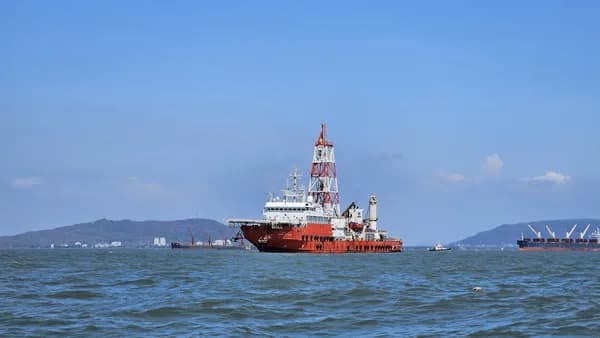
The Strait of Hormuz, a narrow waterway linking the Persian Gulf to the Arabian Sea, is a critical chokepoint for global oil shipments. Roughly one-fifth of the world’s oil passes through this strait, making its stability vital for international energy markets. Recent developments have heightened tensions in the region: Iran has moved to tighten its control over the strait, raising concerns among Western governments and the global business community about the free flow of oil [Source: Source]. In response, President Donald Trump convened an emergency situation room meeting, signaling the seriousness with which the US regards the renewed Hormuz crisis. This confrontation comes amid a backdrop of longstanding mistrust and rivalry between Washington and Tehran, with the Strait of Hormuz often serving as a flashpoint in broader US-Iran relations.
Trump’s Situation Room Meeting and Proposed Responses
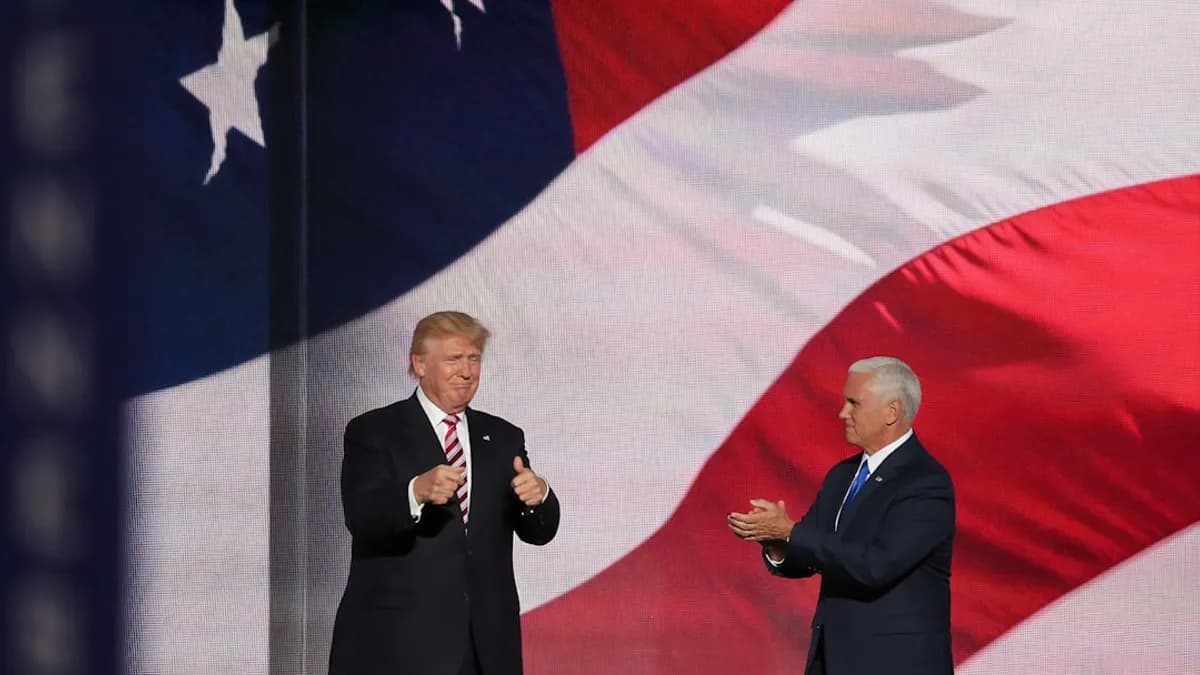
President Trump’s decision to convene a situation room meeting underscores the urgency of the escalating crisis. The meeting brought together top aides, including senior advisors from the State Department, Pentagon, National Security Council, and intelligence agencies. According to reports, Trump pushed for a range of options in response to Iran’s actions, some of which were characterized as “extreme positions” by insiders [Source: Source]. These measures include increased naval deployments to the region, potential economic sanctions targeting Iranian oil exports, and consideration of covert operations to disrupt Iran’s control over the strait.
Trump’s rhetoric during the meeting was notably forceful. He warned against what he termed Iran’s “blackmail” tactics, accusing Tehran of using the strait as leverage to extract concessions from the West [Source: Source]. The president instructed his team to prepare for both military and diplomatic responses, emphasizing the need for flexibility as the situation unfolds. While Trump’s warnings were intended to signal American resolve, they also raised questions about the administration’s appetite for direct confrontation.
Strategically, the Trump administration is weighing the risks of escalation against the imperative to maintain freedom of navigation in the Hormuz. Officials are reportedly considering enhanced cooperation with Gulf allies, increased intelligence sharing, and expanded patrols by US warships to deter Iranian interference. Diplomatic channels remain open, but the tone from the White House has been uncompromising, reflecting a broader shift towards hardline policies in dealing with Tehran.
The situation room meeting has set the stage for a series of high-stakes decisions. The US government must balance the need to safeguard global oil supplies while avoiding actions that could trigger wider conflict. As details of the meeting emerge, observers are watching closely to see whether Trump’s proposed measures will be implemented or whether diplomatic solutions can be found to defuse the crisis.
Republican Support and Political Dynamics
The political fallout from the Hormuz crisis has been swift, with Republican leaders lining up behind President Trump’s hardline stance. Prominent GOP figures have echoed Trump’s warnings, calling for robust measures to counter Iran’s aggression and ensure the security of the vital shipping lane [Source: Source]. This alignment reflects longstanding Republican skepticism toward Iran, rooted in concerns about its nuclear program, regional ambitions, and hostility toward US interests.
Republican support for Trump’s approach is driven in part by domestic political considerations. With the US presidential election approaching, national security and foreign policy have become central issues. For many Republicans, taking a tough line on Iran appeals to their base, reinforces America’s position as a global power, and counters perceptions of weakness. The crisis also provides an opportunity to contrast Trump’s leadership with past Democratic administrations, which some Republicans accuse of being too conciliatory toward Tehran.
However, the embrace of extreme measures has raised questions about the prospects for bipartisan consensus on Iran policy. While some Democrats support strong action to defend US interests in the Gulf, others advocate for greater emphasis on diplomacy and restraint. The divide could complicate efforts to craft a unified response, particularly if the situation escalates or spills into broader regional conflict.
Ultimately, the political dynamics surrounding the Hormuz crisis are shaping the US response. Republican backing gives Trump latitude to pursue aggressive measures, but the risk of alienating allies or deepening partisan divides remains. The evolving landscape will be a key factor in determining how Washington navigates the challenges ahead.
Iran’s Actions and Regional Implications
Iran’s recent moves to tighten control over the Strait of Hormuz have drawn international attention and concern. Iranian naval forces have reportedly increased patrols and enforcement measures, including the boarding of commercial vessels and the establishment of new checkpoints [Source: Source]. Tehran claims these actions are necessary to safeguard its national interests and counter perceived threats from foreign powers.
Strategically, Iran views the Strait of Hormuz as a powerful bargaining chip. By asserting control over the passage, Iranian leaders aim to send a message to the US and its allies: that Tehran can disrupt global oil flows and exert influence over regional security if its interests are challenged. This posture aligns with Iran’s broader strategy of leveraging asymmetric tactics to counter superior US military capabilities.
The response from Gulf countries has been mixed. Nations like Saudi Arabia and the United Arab Emirates have condemned Iran’s actions, calling for international cooperation to ensure maritime security [Source: Source]. Others, such as Oman, have urged restraint and dialogue, wary of escalating tensions that could threaten regional stability. Outside the Gulf, major oil importers like China and India are monitoring developments closely, concerned about potential disruptions to energy supplies and price volatility.
Global oil markets have reacted to the crisis with increased volatility. Prices have spiked amid fears of supply interruptions, and insurers have raised premiums for vessels transiting the strait. The risk to maritime security extends beyond oil: the Hormuz is a critical route for LNG shipments and commercial trade, meaning any prolonged disruption could have far-reaching economic consequences.
The renewed crisis underscores the fragility of the Gulf region and the stakes involved in maintaining peace. Iran’s actions are a reminder of the interconnected nature of security, energy, and geopolitics in the Middle East. As the situation evolves, regional and international stakeholders will need to balance deterrence with diplomacy to prevent escalation.
Diverse Perspectives on Trump’s Threats and Responses
The Trump administration’s approach to the Hormuz crisis has sparked debate among policymakers, analysts, and the media. Some observers view Trump’s threats as a necessary show of force, arguing that only a firm stance can deter Iranian aggression and protect global interests [Source: Source]. Others warn that the president’s rhetoric risks escalating the situation, making it harder to find diplomatic solutions and increasing the likelihood of miscalculation.
A key point of discussion is the uniqueness of Trump’s threats compared to previous US policy. Unlike past administrations, which often sought to build international coalitions and emphasize negotiation, Trump has favored unilateral action and maximalist demands. This shift has been highlighted by media outlets and experts, who note the unconventional nature of Trump’s proposals, including the willingness to consider extreme measures and the focus on rapid response [Source: Source].
Critics argue that the administration’s approach could undermine efforts to maintain stability in the Gulf. Escalating rhetoric, they contend, may embolden Iran or provoke countermeasures that threaten shipping and regional peace. Others point out that Trump’s threats serve as a negotiating tactic, intended to pressure Tehran into concessions without actually crossing the threshold into conflict.
The diversity of perspectives reflects broader debates about US foreign policy and the risks of military intervention. As the Hormuz crisis unfolds, the balance between deterrence and diplomacy will be crucial in shaping outcomes.
Conclusion: Outlook and Next Steps
The renewed crisis in the Strait of Hormuz has thrust the US-Iran relationship into the global spotlight, with significant implications for security, energy markets, and international diplomacy. President Trump’s situation room meeting and proposed measures signal a readiness to respond forcefully, backed by Republican support and a sense of urgency [Source: Source]. Iran’s actions have heightened risks, prompting regional and global stakeholders to prepare for potential disruptions.
Looking ahead, several scenarios are possible: a negotiated de-escalation, a prolonged standoff, or even open conflict if missteps occur. Diplomatic efforts remain vital, as does military preparedness to safeguard freedom of navigation. With the stakes so high, continued monitoring of developments and international responses will be essential. The world is watching to see how the crisis unfolds—and whether cooler heads can prevail to prevent wider instability.