


Introduction: The Collapse of US-Iran Talks and Rising Tensions
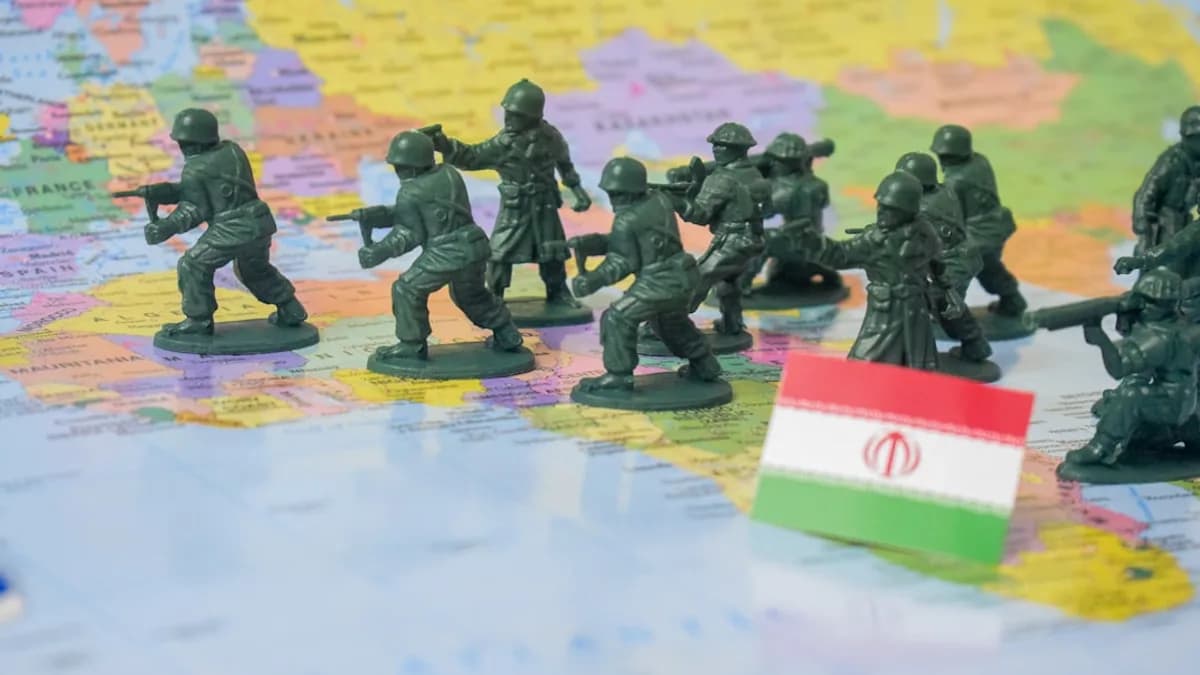
The latest round of diplomatic talks between the United States and Iran has ended in disappointment, leaving the already fragile relationship between the two nations teetering on the edge of confrontation. The negotiations, held in Islamabad, were widely seen as a critical opportunity to de-escalate tensions and find common ground on key issues such as nuclear development, regional security, and sanctions relief [Source: Source]. Yet, the talks collapsed without progress, rekindling anxieties about the prospect of military action. In response, President Donald Trump is reportedly weighing limited strikes against Iranian targets—a move that underscores the gravity of the breakdown and signals a shift from negotiation to potential coercion. As the world watches, the stakes for both countries—and the broader Middle East—could not be higher.
Analyzing the Failure of Diplomacy in Islamabad
The Islamabad talks represented one of the most significant attempts in recent months to reset US-Iran relations. For weeks, diplomats from both sides prepared for what they hoped would be constructive engagement, but ultimately, the meetings ended without agreement. According to multiple reports, the collapse stemmed from deep-seated mistrust and divergent priorities. Iran pushed for immediate relief from crippling US sanctions and insisted on guarantees against future American withdrawal from any deal, citing past experiences with abruptly abandoned agreements. The US delegation, meanwhile, demanded verifiable steps toward curbing Iran’s nuclear program and sought assurances on Tehran’s regional behavior, particularly its support for proxy groups in Iraq, Syria, and Lebanon [Source: Source].
Leadership decisions played a crucial role in the breakdown. President Trump, facing mounting domestic pressure and an upcoming election cycle, appeared unwilling to offer concessions that could be construed as weakness. Iranian negotiators, for their part, were constrained by hardliners in Tehran who view compromise with Washington as a betrayal of national sovereignty. Both sides miscalculated the willingness of the other to bend, leading to a standoff where neither could claim victory.
Missed opportunities abound. Islamabad presented a rare chance to address not just nuclear issues but also broader regional concerns, including maritime security and humanitarian relief. The inability to capitalize on this moment reflects a lack of flexibility and vision, raising questions about the efficacy of the current diplomatic framework. Instead of building trust, the talks reinforced entrenched positions, leaving a vacuum now filled by the threat of military escalation.
Trump’s Calculus: Weighing Limited Strikes Against Diplomatic Risks
With diplomacy stalled, President Trump is reportedly considering limited military strikes against Iran as a way to demonstrate resolve and regain leverage in future negotiations [Source: Source]. This strategy is fraught with risks but also holds certain appeal for a leader accustomed to transactional approaches. By targeting specific Iranian assets—such as military facilities or infrastructure—Trump hopes to send a clear message that continued defiance will not go unpunished, while avoiding the broader fallout of a full-scale war.
The calculus behind limited strikes is multifaceted. Militarily, the US possesses overwhelming superiority in the region, and a carefully calibrated attack could disrupt Iranian capabilities without endangering American personnel or regional allies. Politically, such a move could rally domestic support by projecting strength, especially among voters skeptical of extended negotiations. However, the consequences could be severe. Iran may respond asymmetrically, targeting US bases, shipping lanes, or allied interests, thereby triggering a cycle of escalation that neither side can easily control.
Moreover, limited strikes risk undermining US credibility as a diplomatic actor. If Washington is seen as abandoning talks in favor of force, it may further alienate European allies and diminish its standing in international forums. Regional stability also hangs in the balance; neighboring countries like Saudi Arabia and Israel may welcome a tougher stance, but others—including Iraq and Turkey—fear the fallout from renewed conflict. The delicate balance of power in the Middle East makes any military action a high-stakes gamble, with potential for unintended consequences far beyond the immediate targets.
The Broader Implications for US Foreign Policy and Regional Security
The current crisis is emblematic of broader challenges facing US foreign policy. For all its power, America struggles to reconcile its competing goals in the Middle East: deterring adversaries, reassuring allies, and promoting stability. The failure of diplomacy in Islamabad underscores the limits of pressure-based engagement and the dangers of miscommunication. If limited strikes are carried out, the risk of escalation is real. Iran has signaled it will not remain passive in the face of aggression, and its network of proxies across the region could quickly turn a localized conflict into a wider war [Source: Source].
US allies are watching closely. European nations, who have long advocated for continued negotiations, warn that military action could undermine years of diplomatic progress and trigger a humanitarian crisis. Gulf states, while supportive of containing Iran, worry that their own security may be compromised if hostilities spill across borders. Israel remains a wildcard; it supports a hardline approach but is also mindful of the dangers posed by a destabilized Iran.
For regional actors, the US-Iran confrontation is a source of deep anxiety. Iraq, already fragile from years of conflict, could become a battleground for proxy clashes. Syria and Lebanon, both influenced by Iranian-backed groups, face renewed instability. The broader Middle East, still recovering from the legacy of previous wars, risks being dragged into another cycle of violence that would have profound consequences for global energy markets, migration, and security.
This situation also highlights the challenge of balancing military deterrence with diplomatic engagement. The reliance on limited strikes as a policy tool suggests a lack of long-term strategic vision and raises questions about the sustainability of US influence in the region. As the world becomes more multipolar, Washington’s approach to Iran may serve as a test case for its ability to manage complex crises through a combination of pressure and negotiation.
Mixed Signals and the Uncertain Path Forward
One of the most troubling aspects of the current US approach is the mixed signals emanating from Washington. While Trump threatens military action, other officials emphasize the importance of dialogue and restraint, creating confusion both domestically and abroad [Source: Source]. Experts note that these conflicting messages undermine the coherence of US policy and complicate efforts to build consensus among allies and adversaries alike.
For Iran, the lack of clarity makes it difficult to gauge American intentions. Tehran may interpret threats as bluffs or as preparation for broader conflict, leading to either escalation or miscalculation. For US allies, the uncertainty erodes trust and complicates their own strategic planning. European diplomats, in particular, are frustrated by the shifting tone and apparent lack of coordination within the US administration.
The challenges for President Trump are significant. He must balance the demands of his political base—who may prefer a tough stance—with the realities of international diplomacy, where flexibility and compromise are often necessary. Domestic politics further complicate matters, as lawmakers debate the merits of military action versus continued negotiation. The risk is that in trying to satisfy multiple constituencies, the administration may end up with a policy that is neither effective nor sustainable.
Looking ahead, the path forward is unclear. Experts warn that without a coherent strategy, the US risks being drawn into a conflict that will be difficult to end. The need for clear communication, both within Washington and to the world, has never been more urgent.
Conclusion: Navigating Between Diplomacy and Conflict
The collapse of US-Iran talks and Trump’s consideration of limited strikes underscore the precarious state of current US policy in the Middle East. The risks of escalation are high, and the stakes—for regional stability, global security, and American credibility—are immense. Clear strategy and consistent communication are vital if Washington hopes to navigate the dangerous waters between diplomacy and conflict.
In my view, the best path forward lies in renewed diplomatic engagement, backed by measured deterrence and close coordination with allies. Military action may offer short-term leverage, but it risks long-term instability and undermines the prospects for lasting peace. As tensions mount, the US must resist the temptation to act impulsively and instead focus on building a robust framework for negotiation. Only through sustained dialogue and strategic patience can America hope to defuse the crisis and shape a more secure future for the region and the world.