Introduction: Contextualizing Trump's Hormuz Naval Blockade Proposal
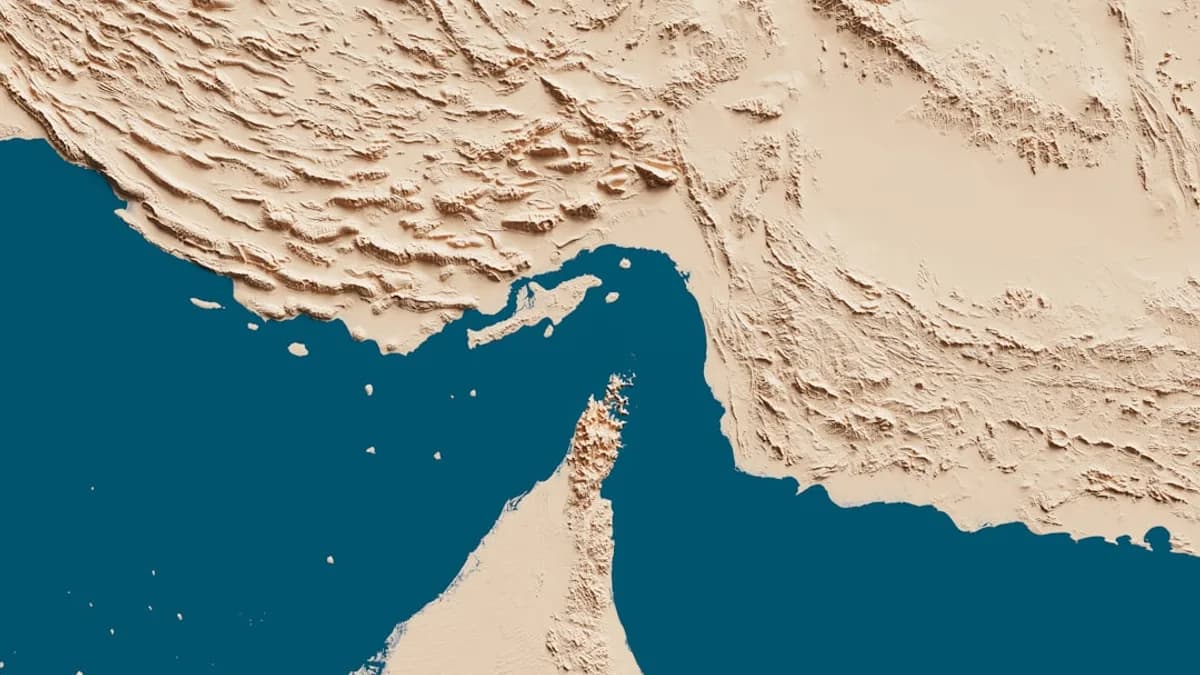
Former U.S. President Donald Trump’s latest suggestion of imposing a naval blockade on Iran at the Strait of Hormuz has reignited fierce debate over America’s approach to Middle Eastern security. The proposal followed failed diplomatic talks in Islamabad, where efforts to de-escalate tensions between the United States and Iran fell flat [Source: Source]. The Strait of Hormuz, a narrow waterway connecting the Persian Gulf to the Arabian Sea, is a linchpin in global energy trade, carrying nearly a fifth of the world’s oil. Trump’s post—implying the U.S. military is “loading up the ships” in preparation for Iranian non-compliance—raises urgent questions about potential escalation, legality, and the wisdom of using military threats as leverage. This opinion piece examines the strategic and political implications of Trump’s blockade proposal, evaluating its risks and motivations amid a volatile regional landscape.
Historical and Strategic Importance of the Strait of Hormuz
The Strait of Hormuz is one of the world’s most vital maritime chokepoints. Approximately 20% of global crude oil passes through its narrow channel daily, making it indispensable for energy security not only in the Middle East but also for economies worldwide [Source: Source]. Historically, the strait has been a flashpoint for confrontation—most notably during the Iran-Iraq War in the 1980s, when both sides targeted oil tankers in the so-called "Tanker War." Iran has routinely threatened to close the strait in response to Western sanctions, underscoring its leverage over global oil flows.
Any disruption here reverberates through energy markets, causing spikes in prices and fears of supply shortages. A blockade, even a partial one, could trigger panic buying, destabilize currencies, and provoke diplomatic crises among oil-importing nations. Furthermore, the strait’s strategic significance means that military operations risk drawing in regional actors, including Saudi Arabia, the UAE, and even global powers like China, whose economies depend on uninterrupted oil shipments. Control or disruption of Hormuz is not merely a regional issue—it’s a trigger point for global security and economic stability.
Analyzing Trump's Proposal: Motivations and Risks
Trump’s advocacy for a naval blockade at Hormuz appears to be a calculated move in the wake of diplomatic setbacks, notably the breakdown in Islamabad talks [Source: Source]. At face value, the proposal signals American resolve, aiming to pressure Iran into compliance with U.S. demands. However, the timing and tone suggest broader political motivations. With U.S. elections looming and domestic polarization high, Trump’s tough posture may be intended to galvanize his base, projecting strength in foreign affairs and contrasting his approach with perceived “weakness” from current leadership.
Yet, the risks of militarizing Hormuz are profound. A blockade is not a mere show of force; it constitutes a significant escalation under international law, potentially amounting to an act of war. Iran has previously responded to such threats with asymmetric warfare, including harassment of commercial vessels and missile strikes on regional infrastructure. Militarizing the strait risks triggering direct confrontation, drawing in U.S. allies and possibly NATO under mutual defense obligations.
Legal and ethical considerations compound the dilemma. International law, specifically the United Nations Convention on the Law of the Sea, affirms freedom of navigation through straits used for international passage. A U.S. blockade could violate these norms, inviting condemnation and possibly accusations of war crimes—an issue highlighted by critics who argue Trump’s threats may constitute self-incrimination [Source: Source]. Ethically, the humanitarian impact of a blockade—disrupting trade, risking civilian lives, and exacerbating regional hardship—cannot be overlooked.
Ultimately, Trump’s proposal risks undermining U.S. credibility as a proponent of rule-based international order. Instead of coercing Iran, it may rally anti-American sentiment across the region, complicate alliances, and embolden adversaries who view military threats as evidence of U.S. overreach.
Political Reactions and Divisions: Republicans, Democrats, and the Public
The political reaction to Trump’s Hormuz blockade proposal reflects deep partisan divides. Few Republicans have condemned the threat outright, with most opting for silence or vague endorsements of “strong leadership” [Source: Source]. This muted response suggests either tacit approval or unwillingness to challenge Trump’s foreign policy assertions publicly, perhaps fearing backlash from core voters.
By contrast, Democrats have seized on the proposal as evidence of dangerous escalation. Several leaders have called for Trump’s removal from public office, citing his rhetoric as reckless and potentially illegal [Source: Source]. The framing of the blockade threat as “self-incrimination for potential war crimes” has gained traction in liberal circles, amplifying calls for greater oversight of presidential powers in military affairs.
Public opinion, meanwhile, is polarized. Some Americans view the proposal as a necessary deterrent against Iranian aggression, while others see it as an invitation to war. International reactions have been largely negative, with key allies expressing concern over escalation and urging restraint. The episode underscores the lack of bipartisan consensus on foreign policy, raising questions about the U.S. ability to present a unified front in matters of national security.
Potential Consequences of a Naval Blockade on Iran
Should the United States pursue a naval blockade of the Strait of Hormuz, the consequences for Iran—and the region—would be severe. Tehran’s economy, already strained by sanctions, would face existential threats. Oil exports account for a significant portion of Iran’s government revenue; blocking access to Hormuz would cripple its financial stability and limit its ability to fund domestic and regional projects [Source: Source].
Iran is unlikely to acquiesce quietly. Historical precedent and military doctrine suggest it would respond with a mix of conventional and asymmetric tactics—mining the strait, targeting U.S. naval assets, or launching attacks on Gulf neighbors. These actions could rapidly escalate into broader conflict, threatening civilian shipping and regional infrastructure.
Neighboring countries would not be immune. Gulf states depend on Hormuz for energy exports and imports, and any disruption would strain their economies, potentially leading to political instability. The risk of miscalculation or accidental engagement among military forces increases exponentially in such a tense environment.
Global oil prices would almost certainly spike, with knock-on effects for economic stability worldwide. Supply chain disruptions could trigger inflation, threaten recovery in post-pandemic economies, and exacerbate social unrest. The ripple effects of a blockade would extend far beyond Iran, affecting businesses, governments, and households across continents.
Conclusion: Weighing the Costs of Escalation and the Need for Diplomatic Solutions
Trump’s proposal to blockade the Strait of Hormuz is fraught with danger, both for the Middle East and the wider world. The strategic importance of the strait, coupled with the risks of military escalation, make it a poor candidate for coercive policy. The costs—economic disruption, legal challenges, humanitarian fallout, and the potential for war—far outweigh any perceived benefits of pressuring Iran through force.
Diplomatic engagement remains the most prudent path forward. History has shown that threats and blockades rarely produce lasting solutions; instead, they entrench hostility and breed instability. International cooperation, leveraging economic incentives and multilateral dialogue, offers a more sustainable means of resolving disputes.
Ultimately, the wisdom of Trump’s proposal should be measured not by its appeal to political audiences, but by its impact on global peace and security. In an era of interconnected economies and fragile alliances, militarizing Hormuz is a gamble the world can ill afford. Diplomacy—not naval blockades—must guide U.S. strategy in the region [Source: Source].