Introduction: The High-Stakes Battle Over Spy Powers in Congress
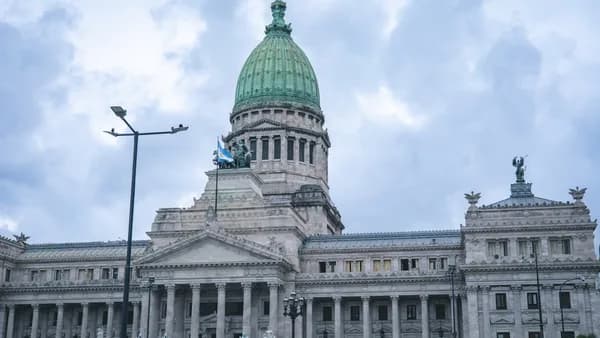
The U.S. Congress is once again at a crossroads, locked in a high-stakes debate over whether to extend or reform key surveillance authorities under the Foreign Intelligence Surveillance Act (FISA). At the heart of the dispute is Section 702, a provision that allows intelligence agencies to collect communications from foreign targets outside the United States—sometimes sweeping up Americans’ data in the process. The outcome of this vote will have far-reaching implications for both national security and civil liberties, as lawmakers grapple with the need to protect the country while also safeguarding individual rights.
The debate takes on added urgency amid escalating geopolitical tensions, particularly with Iran, heightening concerns about the nation’s ability to detect and respond to threats. The looming expiration of these surveillance powers has prompted a flurry of activity on Capitol Hill, with both the White House and former President Donald Trump weighing in to influence the direction of U.S. surveillance policy [Source: Source].
Trump’s Call for GOP Unity to Advance the Spy Powers Vote
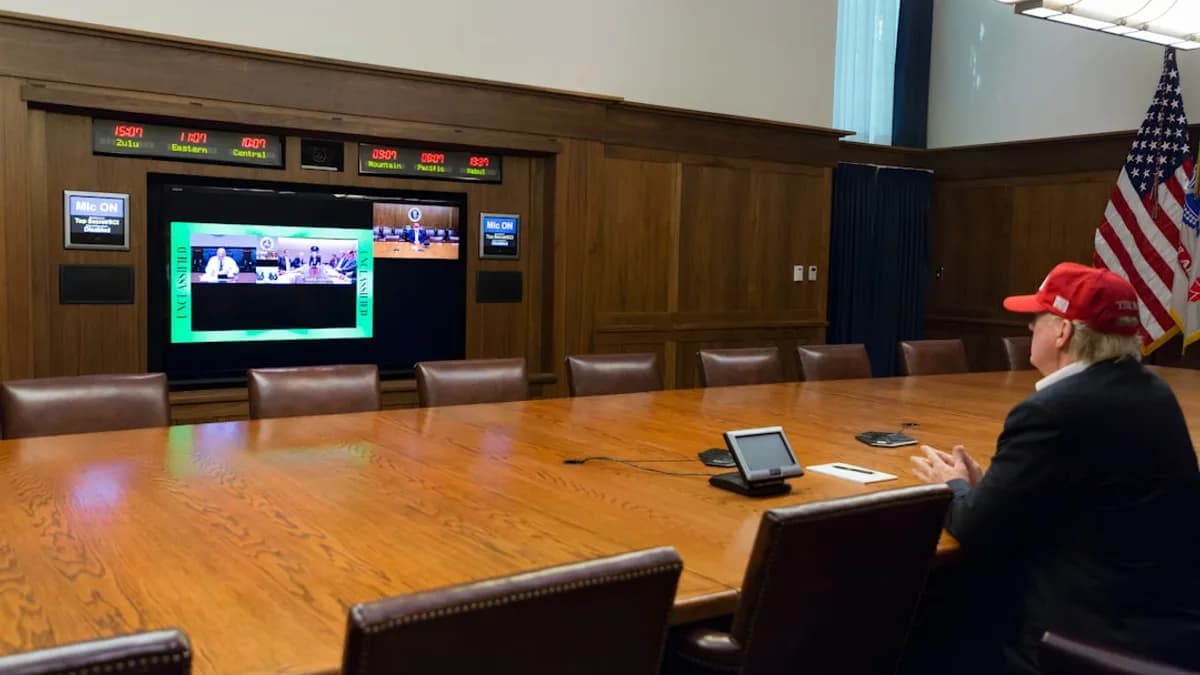
Former President Donald Trump has entered the fray, publicly urging Republican lawmakers to set aside their differences and unite behind the extension of FISA authorities. In a message that underscores the stakes of the upcoming vote, Trump called on the GOP to “stand together” to ensure the passage of this critical legislation [Source: Source]. His intervention comes at a time when the Republican caucus is deeply divided, with some members wary of government surveillance overreach while others emphasize the necessity of robust intelligence tools.
Trump’s influence within the GOP remains significant, and his endorsement of the FISA extension could help bridge internal party divides. By framing the vote as a test of Republican resolve and national security, he hopes to sway hesitant lawmakers and present a united front. For many House conservatives who have long criticized FISA over perceived abuses, Trump’s backing could provide political cover to support an extension.
The former president’s involvement may also shift the legislative strategy. Some Republican leaders have signaled willingness to negotiate reforms to the surveillance law, but Trump’s call for unity suggests a preference for swift action, potentially increasing pressure on holdouts. With the party’s base attentive to issues of both security and civil liberties, Trump’s stance could prove decisive in determining the outcome of the vote [Source: Source].
Congressional Divisions and the Debate Over Surveillance Authorities
Despite Trump’s appeal, Congress remains sharply divided on the future of FISA surveillance powers. The debate cuts across traditional partisan lines, with both ideological conservatives and progressive Democrats expressing skepticism about reauthorizing broad government surveillance authorities without significant reforms.
Proponents of the FISA extension, including many members of the intelligence and national security committees, argue that Section 702 is indispensable for keeping the country safe. They cite its role in disrupting terrorist plots, countering espionage, and tracking foreign adversaries. These lawmakers warn that allowing the authorities to lapse, even temporarily, would create dangerous intelligence gaps and hinder the government’s ability to respond to emerging threats, especially amid ongoing tensions with Iran and other hostile actors [Source: Source].
Opponents, however, raise serious concerns about potential abuses and the impact on Americans’ privacy. Civil liberties advocates point to a history of warrantless surveillance and the risk of government overreach. Recent controversies—including the improper targeting of political activists and Americans’ communications being swept up in foreign intelligence collection—have fueled demands for stricter safeguards and more judicial oversight [Source: Source].
Some lawmakers have proposed amending FISA to require warrants for searches involving Americans’ data and to strengthen transparency and accountability measures. Others, however, warn that such changes could impede intelligence operations and make it harder to act quickly on urgent threats. The result is a legislative stalemate, with both sides seeking to balance security imperatives against the constitutional rights of U.S. citizens.
The White House’s Push for a Clean FISA Extension
The Biden administration has taken a clear position in the debate, urging Congress to pass a “clean” extension of FISA Section 702 without additional amendments or restrictions. White House officials argue that the surveillance authority is essential for the intelligence community to operate effectively and that any delay or modification could undermine national security [Source: Source].
According to Axios, the administration has engaged in an intensive lobbying effort, briefing lawmakers on classified threats and the operational importance of uninterrupted surveillance powers. Senior officials have stressed that reauthorizing FISA as is will ensure that intelligence agencies can continue to monitor foreign adversaries, disrupt plots, and protect American interests abroad [Source: Source].
The White House’s urgency reflects concerns from the intelligence community, which has warned that even a short-term lapse could have serious consequences. Officials are also wary of the political risks associated with reopening the law to amendments, fearing that contentious debates over privacy could derail the extension altogether. As the deadline approaches, the administration is making its case to both parties, emphasizing the need for stability and continuity in U.S. surveillance policy.
Intelligence Community Challenges Amid Global Tensions
The current debate over FISA powers comes at a particularly sensitive time for the U.S. intelligence community. Rising tensions with Iran, as well as ongoing threats from other adversaries, have put intelligence agencies on high alert. According to CNN, officials are scrambling to ensure that critical surveillance capabilities remain intact, warning that any lapse in authority could compromise their ability to track hostile actors and respond to emerging crises [Source: Source].
Section 702 has become a cornerstone of U.S. counterterrorism and foreign intelligence efforts, enabling agencies to collect vital information on threats from abroad. In the context of escalating hostilities with Iran, the ability to monitor communications and disrupt potential plots is seen as especially urgent. Intelligence officials have reportedly launched contingency planning in case Congress fails to reauthorize the law, exploring ways to mitigate any operational gaps [Source: Source].
The sense of urgency has heightened tensions on Capitol Hill, with national security officials briefing lawmakers on classified intelligence and warning of the risks inherent in delaying action. For many in the intelligence community, the stakes could not be higher, with the outcome of the FISA debate potentially shaping the U.S. response to global threats in the months ahead.
Controversies Surrounding Surveillance Practices
While the intelligence community and its allies in Congress stress the necessity of FISA authorities, recent controversies have amplified skepticism and fueled calls for reform. One major flashpoint has been the revelation of bogus “Antifa” designations and the FBI’s warrantless access to Americans’ communications, as highlighted by Just Security [Source: Source].
Civil liberties groups argue that these incidents reflect deeper systemic problems with government surveillance practices. They point to instances where the FBI has accessed Americans’ communications without obtaining warrants, raising questions about the adequacy of existing safeguards. The misuse of designations to justify surveillance—such as labeling activists as “Antifa” to trigger investigative powers—has further eroded trust in the process and heightened concerns about political abuse [Source: Source].
These controversies have influenced both public perception and the congressional debate. Lawmakers on both sides of the aisle have cited such incidents as evidence of the need for stricter oversight and more robust privacy protections. For many Americans, the FISA reauthorization debate is not just about national security, but also about ensuring that constitutional rights are not sacrificed in the name of safety.
Conclusion: The Path Forward for America’s Surveillance Laws
As Congress prepares for a pivotal vote, the future of America’s surveillance laws hangs in the balance. At stake is not only the government’s ability to detect and deter threats, but also the fundamental question of how to balance security with individual privacy in a rapidly changing world.
If lawmakers opt for a clean extension of FISA, intelligence agencies will retain their current powers, but the controversies over oversight and civil liberties will likely persist. Should Congress instead pursue reforms or allow the authorities to lapse, the intelligence community warns of potential operational risks. The outcome will shape U.S. surveillance policy for years to come, reflecting the nation’s ongoing struggle to reconcile safety and constitutional values in an era of complex threats.
With strong advocacy from both the White House and former President Trump, and with civil liberties concerns at the forefront, the path forward remains uncertain. What is clear is that the debate over America’s spy powers is far from over—and the decisions made in the coming days will resonate well beyond Capitol Hill [Source: Source].