



Introduction: The Current Controversy Over FISA
The Foreign Intelligence Surveillance Act (FISA) has long stood at the heart of America’s efforts to monitor foreign threats and maintain national security. Enacted in 1978, FISA established procedures for the government to conduct electronic surveillance and physical searches in national security investigations. However, the law’s broad powers and implications for privacy rights have fueled years of political debate.
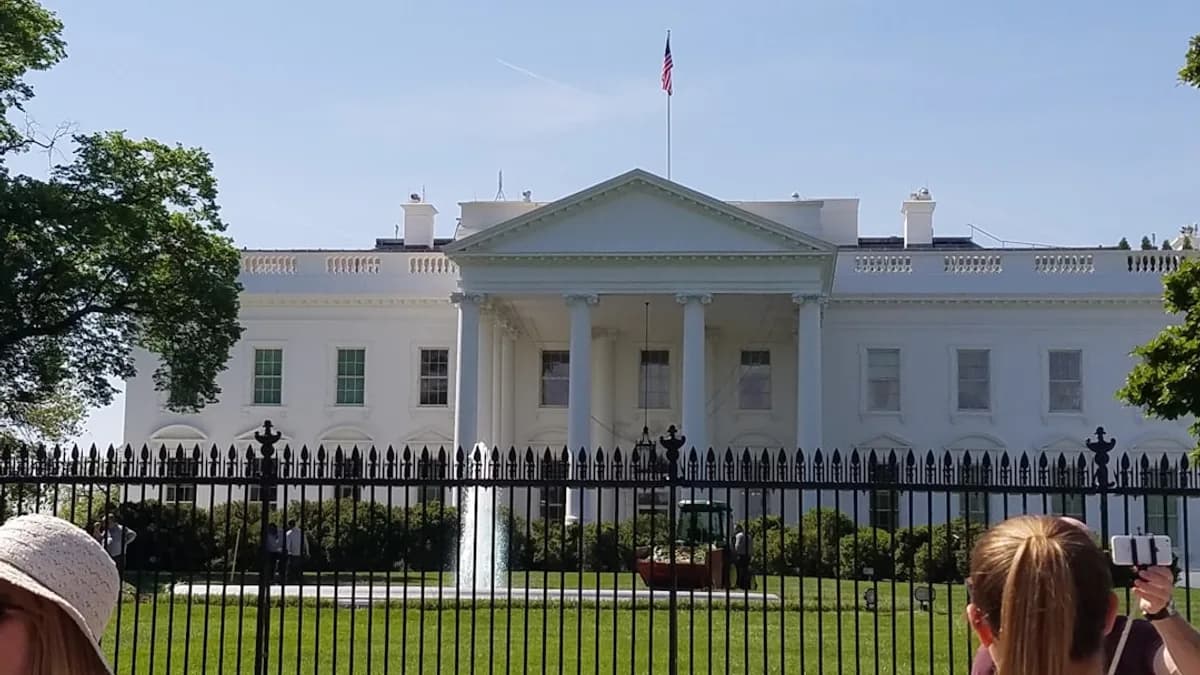
That debate has reached a fever pitch in Washington. Former President Donald Trump recently summoned a group of congressional “FISA holdouts” to the White House for a high-stakes meeting, seeking to persuade skeptics to support the surveillance law’s reauthorization [Source: Source]. The timing is critical: with global tensions, particularly the Iran conflict, intensifying, intelligence officials are warning that any lapse in FISA authority could leave the U.S. vulnerable [Source: Source]. As lawmakers clash over reforms, the future of American surveillance policy hangs in the balance.
Understanding FISA: What It Is and How It Works
FISA was enacted to regulate the government’s intelligence-gathering activities on foreign powers and agents within the United States. At its core, the law is designed to provide a legal framework for conducting surveillance that is both effective for national security and respectful of constitutional rights.
Central to FISA’s implementation is the Foreign Intelligence Surveillance Court (FISC). This secret court reviews and authorizes requests from federal agencies—primarily the FBI and NSA—to conduct electronic eavesdropping, physical searches, and other forms of surveillance on suspected foreign agents. The FISC’s role is to assess whether the government has demonstrated probable cause that its targets are acting on behalf of foreign powers.
FISA authorizes several types of surveillance, including the interception of phone calls, emails, and other communications, as well as access to business records and “metadata.” A particularly controversial section, known as Section 702, allows the government to collect communications of foreign targets located abroad, even if those communications involve Americans.
The law attempts to strike a balance: on one side, empowering intelligence agencies to prevent terrorism and espionage; on the other, imposing checks to protect Americans’ privacy and civil liberties. Over the years, however, critics have argued that the balance tilts too heavily toward security at the expense of oversight and privacy protections.
The Political Battle: Why Congress Is Divided on FISA
The current debate over FISA’s reauthorization highlights deep divisions in Congress. With key provisions set to expire, lawmakers are grappling with whether and how to reform the law. Former President Trump’s decision to convene FISA holdouts at the White House underscores the high stakes: even within his own party, skepticism remains about unchecked surveillance powers [Source: Source].
Republicans and Democrats alike are split—not just along party lines, but within their own caucuses. Some lawmakers argue that FISA is essential to national security and should be renewed with minimal changes. Others, citing past abuses and the potential for government overreach, are pressing for significant reforms.
A central point of contention is judicial oversight: privacy advocates want courts to play a stronger role in reviewing government searches, especially when Americans’ communications are incidentally collected. Critics point to cases where the FBI obtained FISA warrants based on flawed or incomplete information, raising alarms about the adequacy of existing safeguards.
In response, Representative Jim Himes (D-CT) has introduced an amendment that would require judicial review before the government can access the contents of Americans’ communications collected under Section 702 [Source: Source]. Himes and his supporters argue that this step is necessary to protect Fourth Amendment rights and restore public trust in intelligence practices.
Opponents of the amendment, including some in the intelligence community, warn that adding new layers of oversight could slow down urgent investigations and hamper the government’s ability to respond quickly to threats.
As the deadline for reauthorization approaches, both sides are working to sway undecided lawmakers. Trump’s intervention signals just how politically charged the debate has become—a rare instance where civil liberties and national security have split traditional party alliances.
The Intelligence Community’s Perspective Amid Rising Global Tensions
For U.S. intelligence officials, FISA is not just a legal tool—it is a linchpin of the nation’s counterterrorism and foreign intelligence apparatus. They argue that programs enabled by FISA, particularly Section 702, have been instrumental in thwarting plots, identifying foreign spies, and providing policymakers with crucial insights [Source: Source].
The urgency to maintain these authorities has only grown amid rising global tensions. With the specter of conflict with Iran looming, and persistent threats from other hostile actors, intelligence leaders have warned Congress that any lapse in FISA’s legal authorities could create blind spots in America’s defenses [Source: Source].
Officials caution that allowing key provisions to expire—or imposing significant new restrictions—could force agencies to operate without critical surveillance capabilities or slow down their response to emerging threats. They contend that the current system balances privacy and security, and that additional oversight could impede time-sensitive investigations.
Nonetheless, intelligence leaders acknowledge the importance of public trust and the need for transparency. They have expressed openness to some reforms, as long as those changes do not undermine the core effectiveness of FISA as a national security tool.
Implications for Privacy and Civil Liberties
Privacy and civil liberties advocates have long voiced concerns about FISA’s reach. Organizations such as the ACLU and the Electronic Frontier Foundation warn that the law enables broad, warrantless surveillance of Americans, especially through incidental collection under Section 702 [Source: Source].
Critics argue that, without robust judicial oversight, government agencies risk abusing their surveillance powers—potentially sweeping up sensitive personal data without adequate justification or accountability. Past revelations of FISA-related abuses have only heightened these fears.
Proposed reforms like Representative Himes’ amendment are intended to address these risks. By requiring judicial review before the contents of Americans’ communications can be searched, reformers hope to inject greater transparency and accountability into the process, ensuring that civil liberties are not sacrificed in the name of security.
Still, the debate highlights a fundamental challenge: how to protect privacy in an era of advanced technology and evolving threats, without hampering the ability of intelligence agencies to keep the nation safe.
Conclusion: The Stakes of the FISA Debate
The ongoing battle over FISA’s future encapsulates a classic dilemma in American democracy: finding the right balance between security and privacy. With former President Trump personally lobbying lawmakers, the White House’s push underscores how pivotal the outcome will be for U.S. surveillance policy [Source: Source].
If Congress renews FISA without significant changes, intelligence agencies will retain broad authorities to monitor potential threats. If lawmakers insist on new safeguards, the process could become more transparent, but—as critics warn—potentially less nimble. Either way, the decisions made in the coming weeks will shape not only the powers of government but also the privacy rights of millions of Americans. The stakes—both for national security and civil liberties—could hardly be higher.