Introduction: Overview of U.S. Envoys' Mission to Pakistan for Iran Talks
As the clock ticks toward an impending ceasefire deadline with Iran, U.S. envoys are making a last-ditch diplomatic push in Pakistan to prevent a potential escalation in tensions. The urgency of these talks comes amid heightened anxieties in Washington and across the Middle East, with the risk that a failure to extend or renegotiate the ceasefire could unravel months of fragile progress. The American delegation, led by high-profile figures, is tasked with navigating a complex web of political, security, and diplomatic challenges in hopes of averting a new crisis.
The stakes are significant. A breakdown in negotiations could reverberate through global energy markets, embolden hardliners in Tehran, and further strain U.S. relations with key regional partners. For the Biden administration and its envoys, the mission in Pakistan represents both an opportunity and a test of their ability to steer U.S.-Iran relations away from the brink and toward a more stable future [Source: Source].
Background: The Ceasefire and Iran-U.S. Relations
The ceasefire agreement between the United States and Iran, brokered after months of backchannel diplomacy, has been a critical—if uneasy—pillar of regional stability. With its expiration looming, both sides face mounting pressure to find common ground or risk a return to hostilities. The agreement, while not a comprehensive peace deal, has curtailed direct confrontations and allowed humanitarian aid and trade to flow with fewer disruptions.
The history of Iran-U.S. relations is marked by longstanding distrust and periodic flare-ups, dating back to the 1979 Iranian Revolution and U.S. Embassy hostage crisis. In recent years, the collapse of the 2015 nuclear deal and subsequent rounds of sanctions and provocations have deepened animosities. Despite occasional diplomatic overtures, both countries have struggled to find lasting solutions to their differences.
If the ceasefire lapses without a new framework in place, observers fear a rapid deterioration in security across the Persian Gulf, with potential ripple effects on global energy prices, shipping lanes, and the broader diplomatic landscape. The current talks in Pakistan represent one of the last opportunities to avert such an outcome [Source: Source].
Key Players: U.S. Envoys and Their Roles
At the center of the negotiation effort is JD Vance, a U.S. Senator from Ohio and a prominent Republican figure with a reputation for unorthodox political positions. Appointed as the chief negotiator for this round of talks, Vance's selection signals a willingness by the Trump camp to deploy fresh faces in high-stakes diplomacy—a move that has drawn both praise and skepticism in Washington.
However, the situation is complicated by conflicting accounts of Vance’s actual involvement. Initial reports from Axios and NDTV suggested that Vance would lead the U.S. team in Islamabad, describing his presence as a potential “first global test” for the senator in a diplomatic role [Source: Source]. Other sources, including the Hindustan Times and The Times of Israel, quickly cast doubt on these claims, citing statements from former President Donald Trump that Vance would not be traveling to Pakistan due to security concerns [Source: Source]. This uncertainty has fueled speculation about the true composition of the U.S. delegation and the level of political backing the talks enjoy.
In addition to Vance—if he is present—the U.S. delegation reportedly includes experienced State Department officials and regional security experts. Their mandate is to maintain open channels with both Iranian and Pakistani interlocutors, seek extensions or modifications to the ceasefire, and explore pathways for broader de-escalation. The mixed signals regarding leadership and participation reflect both the complexity of the negotiations and the internal divisions within the U.S. political establishment over how best to engage with Iran.
Conflicting Reports and Security Concerns
The diplomatic mission has been overshadowed by a series of conflicting media reports and official statements regarding the composition and intentions of the U.S. delegation. According to Axios, U.S. envoys—including possibly JD Vance—were set to head to Pakistan for critical talks with their Iranian counterparts, with the hope of brokering an agreement before the ceasefire’s expiration [Source: Source]. PBS echoed this narrative, emphasizing the significance of the talks as a test of American diplomatic agility and Vance’s own political mettle.
Yet, within hours, Trump himself issued a statement denying that Vance would travel to Pakistan, citing heightened security concerns. The former president’s assertion, relayed through several media outlets, has cast a shadow over the negotiations and raised questions about the U.S. commitment to the process [Source: Source]. The dueling narratives—between White House confirmations and Trump’s denials—have created uncertainty not only among observers but potentially among negotiating partners as well.
This lack of clarity could carry real-world consequences. The Iranians, already wary of U.S. intentions, may interpret the confusion as a sign of disarray or lack of resolve, undermining the credibility of any proposals put forward. Allies and regional stakeholders, meanwhile, may be left second-guessing U.S. strategy at a time when unity and clear communication are paramount. The episode highlights the broader challenges of conducting high-stakes diplomacy in an era of polarized politics and instant media coverage.
Pakistan’s Role as Host and Regional Implications
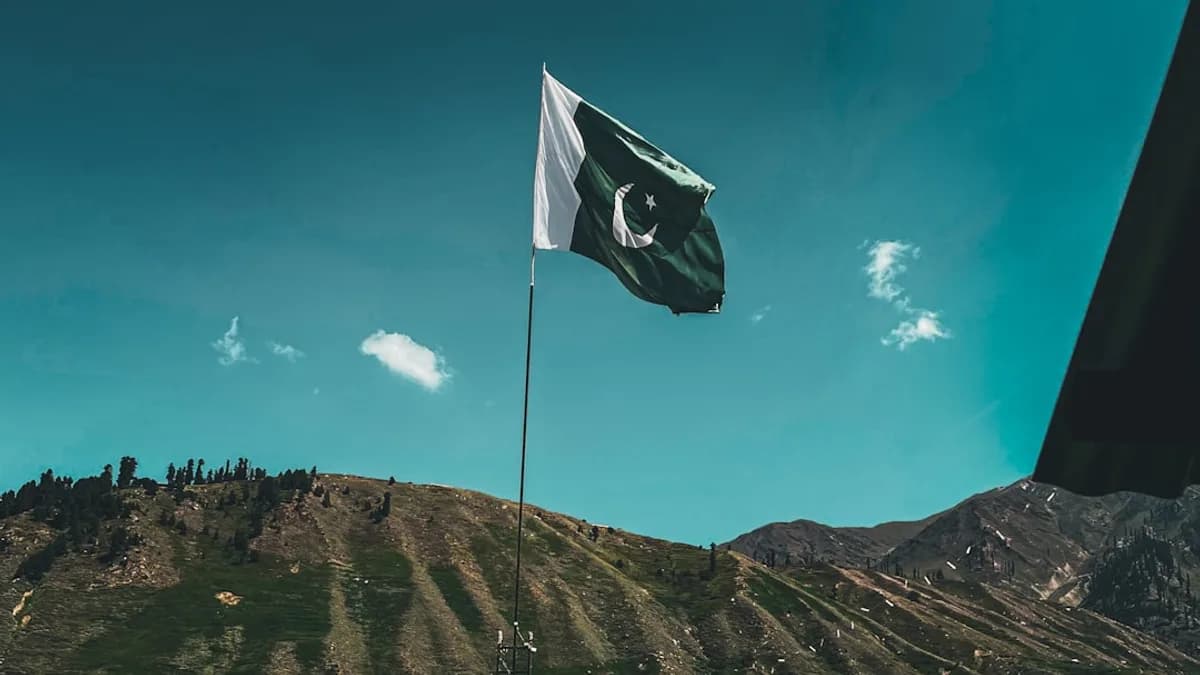
Pakistan’s emergence as the host for these urgent talks underscores its growing importance as a regional mediator. Geographically and diplomatically positioned between Iran and the West, Pakistan offers a neutral venue for delicate negotiations—one that is removed from the direct pressures of Washington and Tehran but close enough to both capitals to facilitate meaningful engagement.
For Islamabad, the stakes are high. Hosting U.S.-Iran talks enhances Pakistan’s international standing and showcases its capacity to broker dialogue on one of the world’s most volatile security issues. Yet, the move is not without risks. Pakistan must balance its longstanding ties to both Iran and the United States, navigating a diplomatic tightrope that could expose it to criticism or retaliation if talks falter.
Regionally, Pakistan’s involvement could either open new pathways for constructive diplomacy or exacerbate existing tensions, depending on the outcome. Successful talks would boost Islamabad’s reputation as a peace broker, while failure could complicate its own security environment and impact relations with other key players in the Middle East [Source: Source].
Potential Outcomes and Next Steps
The outcome of the Islamabad talks remains uncertain, with several scenarios in play as the ceasefire deadline approaches. If negotiators succeed in extending or expanding the agreement, it could pave the way for more comprehensive dialogue on Iran’s nuclear program, regional activities, and broader security concerns. Such a breakthrough would also reinforce U.S. diplomatic credibility and provide breathing space for further confidence-building measures.
Conversely, a breakdown in negotiations could trigger a cascade of negative consequences. A resumption of hostilities between the U.S. and Iran—or their proxies—could destabilize already fragile states in the region, disrupt global oil supplies, and complicate the work of international organizations seeking to mediate future disputes. The Biden administration may then be forced to consider alternative strategies, potentially involving greater reliance on European and Asian partners to keep diplomatic channels open [Source: Source].
Looking ahead, the next steps will hinge on the willingness of both sides to compromise and the ability of mediators—including Pakistan—to bridge deep-seated divides. International stakeholders, from the European Union to Gulf states, will be watching closely, ready to step in if the talks falter or require broader multilateral engagement.
Conclusion: Summary and Outlook
The high-stakes talks in Pakistan represent a critical juncture for U.S.-Iran relations and the broader quest for stability in the Middle East. As the ceasefire deadline looms, the urgency of reaching an agreement is matched only by the complexity of the diplomatic, political, and security challenges involved. Conflicting narratives about U.S. envoy participation and leadership underscore the need for clear, unified communication from Washington—a prerequisite for any successful negotiation.
Whatever the immediate outcome, the Islamabad talks will have far-reaching implications for regional order, global energy markets, and the future of American diplomacy in a rapidly changing world. The coming days will test the resolve and skill of all involved, with the hope that dialogue can prevail over confrontation [Source: Source].