Introduction: Overview of Tornado Activity in Rochester Area
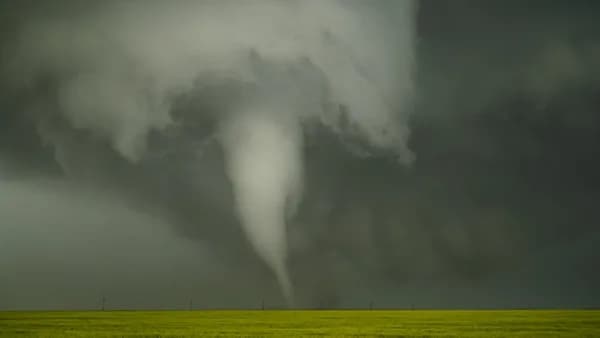
A series of tornadoes touched down in the Rochester area of southeast Minnesota, marking the latest in a severe thunderstorm outbreak sweeping across the central United States. The storms, part of a broader system affecting states from Minnesota to Wisconsin, prompted tornado watches and warnings as meteorologists tracked multiple funnel clouds and destructive winds [Source: Source]. This article presents a detailed roundup of the tornado activity, examining the locations and severity of the storms, their impact on local communities, and the ongoing risks posed by the weather system. As residents begin to assess damage and recover, authorities are urging vigilance as the threat of further storms and tornadoes remains heightened across the region.
Details of Tornado Sightings and Weather Conditions
Reports from local news outlets and meteorological agencies indicate that several tornadoes were observed near Rochester and throughout southeast Minnesota on the evening of June 17. Tornado sightings were confirmed south and east of Rochester, with additional touchdowns reported in rural areas surrounding the city [Source: Source]. The National Weather Service issued tornado watches and warnings for southern Minnesota and western Wisconsin, cautioning that conditions were ripe for further tornado development and large hail.
The severe weather outbreak was fueled by a potent combination of warm, moist air and atmospheric instability, creating an environment conducive to supercell thunderstorms. These storms often produce intense winds, hail, and tornadoes. Meteorologists noted that hail as large as golf balls was reported in some communities, and wind gusts exceeded 60 miles per hour in certain locations [Source: Source].
As the storm system moved eastward, tornado watches were extended, covering a broad swath from Rochester through La Crosse, Wisconsin. Emergency alerts were broadcast across local television and radio, urging residents to seek shelter and avoid travel during the most dangerous periods. The rapid development of storms prompted concern among forecasters, who emphasized the unpredictable nature of tornado outbreaks and the need for real-time monitoring [Source: Source].
Impact on Residents and Local Communities
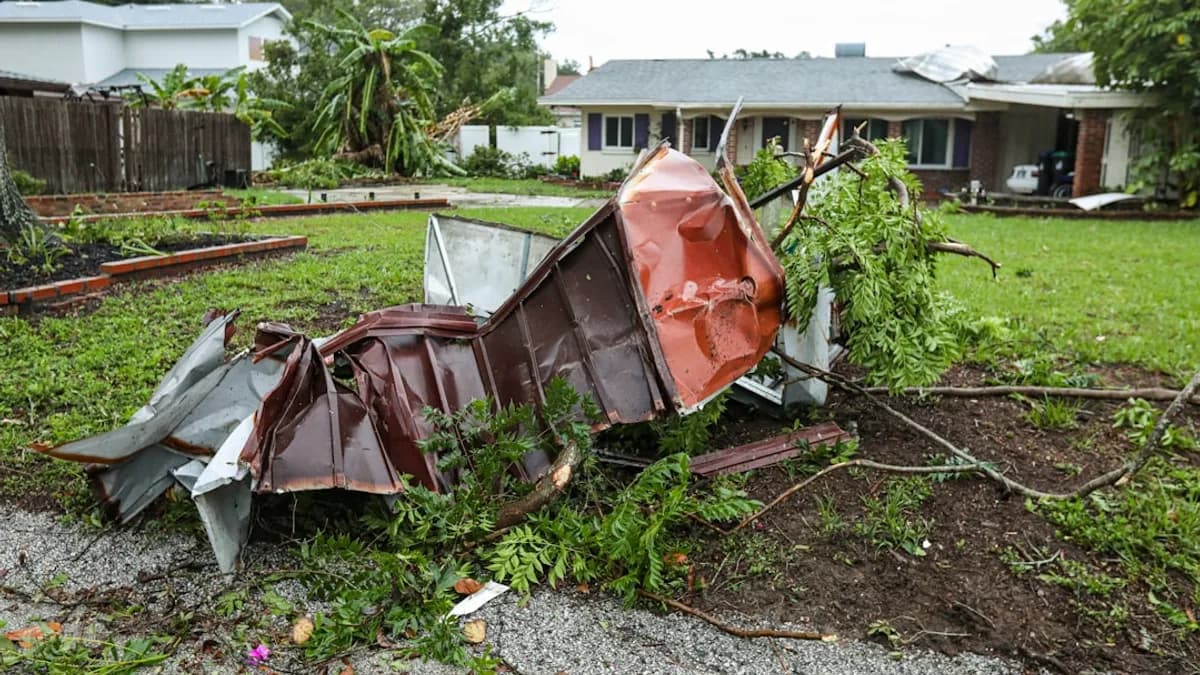
The tornadoes caused significant damage in parts of Rochester and nearby towns, with preliminary assessments indicating destruction to homes, farm buildings, and infrastructure. Residents began the arduous task of surveying storm damage early Tuesday morning, clearing debris from roads and properties [Source: Source]. Emergency services responded to numerous calls for assistance, including reports of downed power lines, overturned vehicles, and flooding from heavy rainfall.
Local officials provided updates throughout the night, confirming that while no fatalities had been reported as of early Tuesday, several people sustained minor injuries and were treated at area hospitals. Power outages affected thousands, with utility crews working around the clock to restore service. The city of Rochester activated its emergency operations center, coordinating recovery efforts and distributing resources such as bottled water and temporary shelter for displaced families [Source: Source].
Community leaders emphasized the resilience of residents and the importance of following official guidance. Volunteers from neighboring towns joined the cleanup, offering support to those whose homes and businesses were damaged. The Minnesota Department of Public Safety advised residents to document losses and contact insurance providers, while cautioning against entering damaged structures until they are inspected for safety [Source: Source].
Live Updates and Ongoing Weather Threats
Live coverage from FOX Weather and FOX 9 Minneapolis-St. Paul captured the unfolding storm, including real-time tornado observations near Rochester and updates on the evolving threat [Source: Source]. As of Tuesday morning, life-threatening storms continued to target the Heartland, with meteorologists warning of additional tornadoes and huge hail possible in the coming hours.
Weather experts advised residents in affected and at-risk areas to remain indoors and monitor local news for the latest information. Tornado watches remained in place for southern Minnesota and Wisconsin, and forecasters highlighted the possibility that storms could intensify as the day progressed. Emergency notifications were sent to cell phones, and authorities reinforced the importance of seeking shelter in basements or interior rooms during tornado warnings [Source: Source].
The situation remained fluid, with weather models indicating a risk for further severe weather throughout the week. Road closures and delays were reported in some counties as crews worked to clear debris and repair damaged infrastructure. The National Weather Service and local agencies urged residents to avoid unnecessary travel and to check in on neighbors, particularly those who may need assistance during ongoing storm activity [Source: Source].
Broader Context: Tornado Activity in the Central US
This tornado outbreak in the Rochester area is part of a larger pattern of severe weather impacting the central United States. In recent weeks, the region has experienced multiple rounds of thunderstorms, tornadoes, and flooding, underscoring the volatility of late spring and early summer weather [Source: Source]. Meteorologists note that the frequency and intensity of tornado events appear to be above average for the season, raising questions about underlying climate factors and preparedness.
The current outbreak is notable for its rapid development and widespread impact, stretching from Minnesota down through Iowa and into Wisconsin. Forecasters at the National Weather Service and other agencies continue to monitor conditions closely, providing updates and warnings to help mitigate risk. Their efforts are crucial to ensuring public safety, particularly as unpredictable weather patterns challenge traditional forecasting models [Source: Source].
Experts suggest that residents across the Midwest should remain alert in the coming days, as atmospheric instability may lead to additional rounds of severe storms. The role of meteorological agencies in tracking and communicating these threats is vital, and communities are reminded to heed official guidance and prepare for sudden changes in weather.
Conclusion: Summary and Next Steps
The tornadoes that struck Rochester and southeast Minnesota have left a trail of damage and uncertainty, as residents and authorities work to assess losses and restore normalcy [Source: Source]. While early reports indicate no fatalities, the impact on homes, businesses, and infrastructure is significant, and recovery efforts are underway. The ongoing threat of severe weather demands continued vigilance, with tornado watches and warnings remaining active across the region.
Residents are encouraged to stay informed through official channels, including local news, weather apps, and emergency alerts. Community support and resilience will be key in the days ahead, as cleanup operations and repairs progress. Meteorologists and public safety officials will continue to monitor the evolving storm system, providing updates as new information becomes available. As the Heartland faces ongoing weather challenges, preparedness and timely action remain the best defenses against the unpredictable power of nature.