Introduction: Understanding Tornado Watches and Severe Weather Alerts
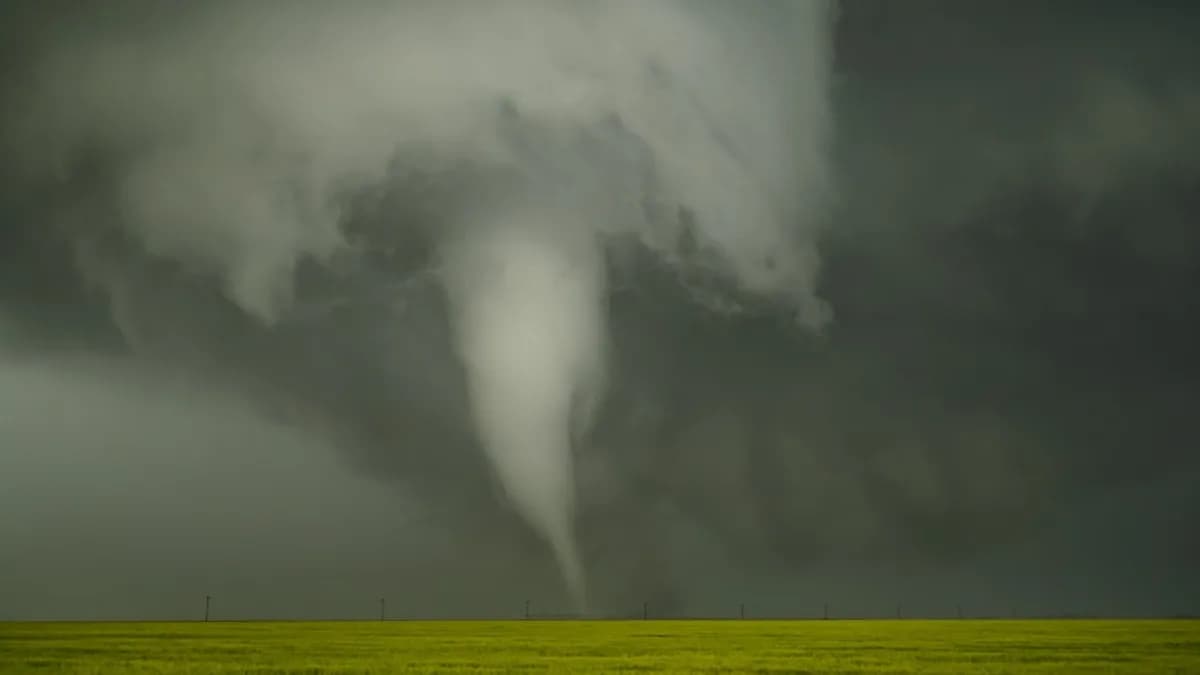
When severe weather threatens, understanding the terminology and implications of alerts is crucial for safety. A tornado watch is issued when conditions are favorable for the formation of tornadoes, typically over several hours and across a broad region. This differs from a tornado warning, which means a tornado has been spotted or indicated by radar and immediate action is necessary.
On Friday, Northern Illinois found itself under a tornado watch, with areas including Chicagoland and Lena preparing for evening storms [Source: Source]. Such watches signal elevated risk and serve as a call to readiness, not panic. In recent events, authorities have urged residents to stay alert and be prepared, underscoring the importance of having a plan and staying informed. Severe weather can escalate rapidly, and being proactive is the best defense against harm.
How to Stay Informed During a Tornado Watch
Staying informed during a tornado watch is essential for timely decision-making and safety. Begin by relying on trusted local news outlets like WGN-TV and MyStateline, which provide up-to-date coverage and expert analysis of severe weather events [Source: Source]. Official sources, such as the National Weather Service, offer real-time alerts and detailed forecasts tailored to your area.
To enhance your preparedness, set up weather notifications on your smartphone and other devices. Many weather apps allow you to customize alerts for tornado watches, warnings, and other hazardous conditions. These real-time updates ensure you’re aware of changes as soon as they happen, even if you’re away from the television or radio.
Understanding weather terminology is equally important. A tornado watch means you should be ready to act, while a tornado warning signals immediate danger and the need to seek shelter. Familiarize yourself with additional alerts, such as severe thunderstorm warnings and flash flood advisories, to better interpret what each means for your safety. In rapidly changing situations, accurate information can be life-saving.
How to Prepare Your Home and Family for Tornado Threats
Preparation is key when severe weather is forecasted. Start by reviewing or creating a family emergency plan. This plan should outline where family members will meet if separated, how you’ll communicate during power outages, and what actions each person should take if a tornado warning is issued.
Identify safe shelter locations within your home. The safest place is typically a basement or, if unavailable, an interior room without windows on the lowest floor. Avoid areas with large roofs, such as gyms or auditoriums, which can be vulnerable to collapse. Ensure everyone in your household knows where the shelter area is and how to access it quickly.
Assemble an emergency kit with essential supplies. Include bottled water, non-perishable food, a flashlight with extra batteries, a first aid kit, important documents, and any necessary medications. Other useful items are a battery-powered radio, phone chargers, and sturdy shoes. Keep this kit in your designated shelter area for easy access.
If you live in areas like Lena, Illinois, which has been shut down due to tornado damage [Source: Source], extra vigilance is warranted. Review your plan frequently, especially during tornado season, and practice sheltering so your family is comfortable with the procedure. Preparedness reduces stress and increases safety during emergencies.
How to Respond During a Tornado Watch and Warning
When a tornado watch is active, maintain continuous monitoring of weather updates. Listen to local news stations and pay attention to alerts from weather services. Be ready to seek shelter at a moment’s notice if a tornado warning is issued.
Avoid unnecessary travel and stay indoors, especially in areas affected by severe weather. For instance, Lena, Illinois, has been temporarily shut down after tornado damage, and residents are being asked to avoid the area [Source: Source]. Traveling during a tornado watch heightens risk, as storms can develop rapidly and road conditions may deteriorate.
Follow instructions from local authorities and emergency personnel. If officials recommend evacuation or sheltering, comply promptly. Emergency responders may close roads, restrict access to dangerous zones, or provide guidance on safe sheltering. These directives are designed to protect public safety in evolving conditions.
During a tornado warning, move immediately to your identified shelter area. Bring your emergency kit and account for all household members. Stay away from windows, doors, and exterior walls. If possible, protect your head and neck with a sturdy object, such as a mattress or heavy blanket. Remain in your shelter until officials declare the area safe or the warning expires.
How to Stay Safe After a Tornado Passes
Once the immediate threat has subsided, safety remains a priority. Avoid entering damaged areas until authorities declare them safe. In Lena, Illinois, officials have requested that people avoid the area due to tornado damage and ongoing recovery efforts [Source: Source].
Be cautious of hazards such as downed power lines, broken glass, and debris. These can pose serious risks even after the storm has passed. If you encounter a power outage, do not attempt to repair lines yourself—report issues to your utility provider or emergency services.
If you need help or spot emergencies, contact local authorities promptly. Emergency responders and shelters may be available for those displaced or needing assistance. Document damage to your property for insurance purposes, but only after ensuring it’s safe to do so.
Check in with family, neighbors, and community members. Sharing resources and information supports collective recovery and helps ensure everyone’s safety.
Conclusion: Proactive Steps to Protect Yourself During Severe Weather
Severe weather events like tornado watches require vigilance, preparation, and informed action. Before storms arrive, establish a family emergency plan, identify safe shelter locations, and assemble an emergency kit. During a tornado watch, monitor reliable news sources and weather alerts, and be ready to act quickly. If a warning is issued, seek shelter and follow official instructions without delay.
After the storm, stay clear of damaged areas, watch for hazards, and report emergencies as needed. Preparedness and information are your best tools for minimizing risks. Share this knowledge with family and community to ensure everyone is ready for severe weather threats.
Taking these proactive steps not only protects you and your loved ones but also contributes to the resilience of your community in the face of unpredictable storms [Source: Source].