
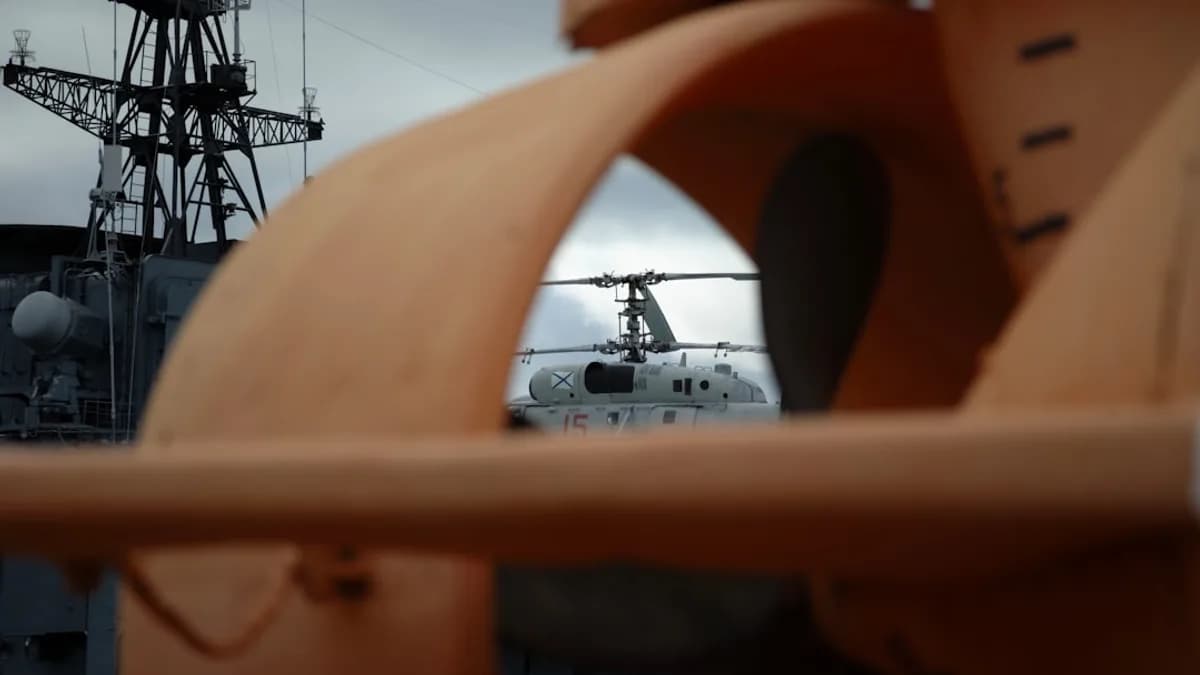
Introduction: Strategic Importance of the Strait of Hormuz
The Strait of Hormuz, a narrow waterway connecting the Persian Gulf to the Arabian Sea, stands as one of the world’s most vital maritime chokepoints. Approximately 20% of global oil shipments—nearly 17 million barrels per day—pass through this corridor, making it indispensable to international energy supplies and trade [Source: Source]. Increasing geopolitical tensions in the region, particularly involving Iran and its neighbors, have raised alarms about the potential for disruptions that could ripple through global markets. In response to these mounting concerns, the United Kingdom and France have announced a joint initiative to lead a defensive mission aimed at securing safe passage for commercial vessels in the strait. This move underscores the urgency with which European powers are approaching the security challenges in the Middle East, with the goal of preventing escalation and safeguarding critical global supply chains.
The UK and France’s Leadership Role in the Defensive Mission
The UK and France’s commitment to spearhead the defensive mission in the Strait of Hormuz reflects both countries’ longstanding interests in maritime security and their desire to assert European leadership in international affairs. According to official statements, the mission’s primary objective is to ensure the free flow of trade and protect civilian shipping from potential threats or interference [Source: Source]. Both nations are deploying naval assets, including frigates and patrol vessels, alongside aerial surveillance capabilities. The UK’s Royal Navy is expected to increase its presence, while France will contribute its warships and advanced maritime patrol aircraft, bolstering the mission’s deterrence posture.
British Prime Minister Keir Starmer emphasized the importance of collective action, stating, “We must protect the interests of our allies and the global economy by ensuring the security of this critical passage.” French President Emmanuel Macron echoed these sentiments, highlighting the mission’s defensive nature and the need for international cooperation [Source: Source]. The operational scope includes coordinated naval patrols, real-time intelligence sharing, and rapid response protocols for incidents involving commercial shipping. While the mission is not expected to engage in offensive operations, it aims to deter potential aggressors and reassure global markets of continued stability in the region.
International Support and Contributions
Beyond the UK and France, the defensive initiative has garnered support from over a dozen countries eager to play a role in securing the Strait of Hormuz [Source: Source]. European leaders have extended offers of military and logistical assistance, with some nations proposing to contribute naval vessels, surveillance drones, and support personnel. The coalition is expected to include a mix of NATO members and regional partners, each bringing unique capabilities to the table.
German Chancellor Friedrich Merz has notably called for US involvement, arguing that American participation would strengthen the mission’s credibility and effectiveness [Source: Source]. The United States, with its robust naval presence in the Gulf, has not formally committed but is reportedly in discussions with European allies about possible support. Italy, Spain, and the Netherlands have expressed interest in providing maritime assets, while Gulf states such as the United Arab Emirates and Saudi Arabia may offer regional intelligence and logistical support.
This broad coalition underscores the mission’s importance as an international undertaking. The diversity of contributors is seen as a strength, enabling flexible response options and fostering information sharing, but it also raises challenges in terms of coordination and unified command.
Political Reactions and Criticism
The initiative has not been immune to political scrutiny. Opposition leaders and commentators have accused UK Prime Minister Starmer and French President Macron of “playing at being relevant,” suggesting that their leadership in the mission is partly motivated by a desire to bolster their domestic and international standing [Source: Source]. Critics argue that the mission risks escalating tensions with Iran and may be seen as a symbolic gesture rather than a substantive security measure.
Media coverage has been mixed, with some outlets highlighting the pragmatic need for enhanced security in the Strait, while others question the timing and scope of the European-led effort. Public opinion remains divided, with concerns about the potential for unintended consequences and the strain on military resources. Nevertheless, supporters maintain that the mission is a necessary response to rising threats and a demonstration of European resolve in safeguarding global interests.
Broader Geopolitical Context and Implications
The defensive mission in the Strait of Hormuz fits into a complex web of regional security dynamics, particularly as tensions between Iran and Western powers have intensified over the past year. The presence of a multinational coalition is likely to influence the calculus of regional actors, including Iran, which has previously threatened to disrupt shipping in response to sanctions or perceived provocations [Source: Source]. The mission’s emphasis on deterrence, rather than confrontation, is intended to reduce the risk of escalation, but the mere deployment of warships may provoke rhetorical or operational responses.
The US, while not formally leading the effort, remains a crucial player. American military assets in the region, including the Fifth Fleet based in Bahrain, continue to patrol the waters and provide backup in crisis situations. NATO’s interest in maritime security further complicates the landscape, with alliance members balancing collective defense commitments and regional partnerships.
For Gulf states, the mission offers an opportunity to enhance cooperation with European powers and reinforce their own security infrastructure. Meanwhile, global oil markets are watching closely; any disruption or perceived risk in the Strait could drive volatility and impact energy prices worldwide. The mission’s success will depend on careful diplomacy, robust communication, and a shared commitment to de-escalation.
Conclusion: Prospects and Challenges Ahead
The UK and France-led mission in the Strait of Hormuz has the potential to significantly improve maritime security and reassure global markets amid rising tensions [Source: Source]. The broad international coalition reflects widespread recognition of the strait’s importance and the need for collective action. However, the challenges are formidable: coordinating diverse military assets, maintaining diplomatic balance with regional actors, and preventing unintended escalation will require vigilant leadership and adaptive strategies.
Looking ahead, the mission could set a precedent for future multinational security initiatives in critical chokepoints. Success will hinge on sustained cooperation, transparent communication, and a clear focus on defensive objectives. As geopolitical uncertainties persist, the world will be watching to see whether the coalition can deliver stability in one of the globe’s most sensitive maritime corridors.