Introduction: Understanding the Strait of Hormuz and Recent Developments
The Strait of Hormuz, a narrow waterway nestled between the Persian Gulf and the Gulf of Oman, has long been recognized as one of the world’s most critical maritime chokepoints. Recent developments have thrust the region into the global spotlight: according to the US military, six ships were turned around as part of a blockade imposed on the Strait, intensifying concerns about the stability of global energy supplies [Source: Source]. This action comes against the backdrop of escalating tensions between the United States and Iran, with the blockade representing a significant escalation in their ongoing geopolitical rivalry. As international observers and markets react, the consequences of these moves are reverberating far beyond the region—impacting trade, security, and economics worldwide.
The Strategic Importance of the Strait of Hormuz
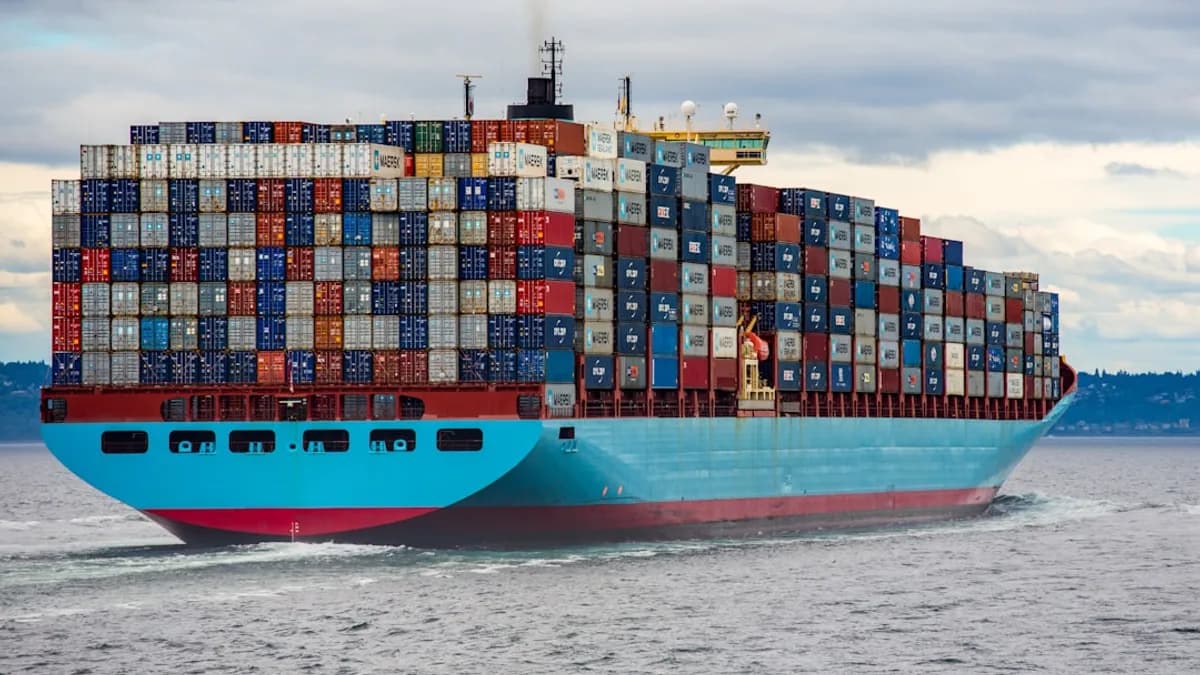
The Strait of Hormuz is not just a geographical feature—it’s a lifeline for global energy flows. At its narrowest point, the strait is only about 21 miles wide, but it serves as the gateway through which nearly a third of all seaborne traded oil passes daily. Estimates suggest that between 17 and 20 million barrels of oil transit the strait each day, making it pivotal for countries reliant on Gulf petroleum exports [Source: Source]. This includes major economies across Asia, Europe, and beyond, whose energy security is tied to uninterrupted passage through the Strait.
Disruption in the Strait of Hormuz has immediate and far-reaching consequences. Because the waterway is so narrow—and because alternative routes are either costlier or less feasible—any threat to its stability can send shockwaves through the oil market. When tensions flare, as they have recently, traders and governments alike watch the strait closely, knowing that even short-term interruptions can lead to price spikes and supply chain disarray. Control over the Strait thus translates into leverage: whoever can influence maritime traffic here wields substantial power over the global energy economy.
Details of the US Blockade and Its Immediate Effects
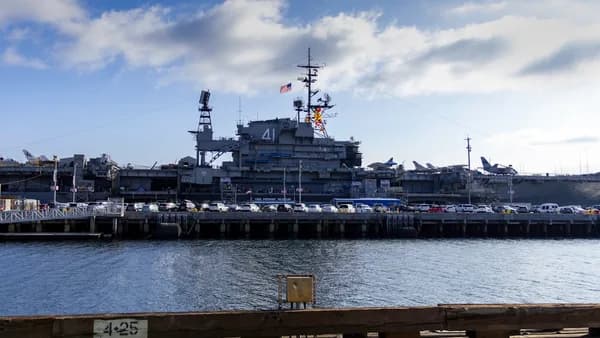
The recent US blockade of the Strait of Hormuz marks a significant military intervention in one of the world’s most sensitive maritime corridors. The US military confirmed that six ships were turned back, including vessels linked to Iranian interests, as part of efforts to enforce the blockade [Source: Source]. While specific details about the ships—including their cargo and exact affiliations—remain sparse, reports indicate that the move was designed to prevent Iran from circumventing sanctions and exporting oil through the strait.
These actions have had immediate repercussions. Maritime traffic in the area has slowed, with shipping companies rerouting vessels or delaying departures due to heightened security risks. The presence of US naval forces, combined with increased surveillance and patrols, has heightened tensions and increased the risk of miscalculation or confrontation. Regional security dynamics are shifting rapidly, as Gulf states and other stakeholders weigh the risks of further escalation.
In addition to impacting commercial shipping, the blockade has drawn warnings from Iran, which has threatened to retaliate if its interests are harmed. The situation remains highly fluid, with both sides deploying rhetoric and military assets in a bid to assert control. For international shipping operators, the blockade means increased insurance costs, more stringent risk assessments, and the possibility of longer transit times—all adding to the uncertainty surrounding the strait.
Economic Implications: Impact on Oil Prices and Global Markets
The blockade’s effect on oil prices has been pronounced. In the wake of the US action, global oil benchmarks surged, reflecting investor fears that sustained disruption in the Strait of Hormuz could tighten supply and drive up costs [Source: Source]. The psychological impact on markets is immediate: even the threat of limited access to the strait is enough to trigger volatility, as traders anticipate potential shortages and adjust their positions accordingly.
Ripple effects extend well beyond the energy sector. Higher oil prices translate into increased costs for transportation, manufacturing, and agriculture—industries dependent on affordable fuel. For consumers, this can mean higher prices at the pump and inflationary pressures across a range of goods. The supply chain disruptions caused by the blockade could also impact the delivery of refined products, chemicals, and other commodities that rely on Persian Gulf exports.
Experts are divided on the long-term economic consequences. Some argue that the blockade, if sustained, could force oil importers to seek alternative suppliers or invest in strategic reserves, potentially reshaping global energy flows. Others caution that prolonged instability might undermine investor confidence and trigger broader market corrections. Still, most agree that the Strait of Hormuz remains a critical vulnerability in the global economy—one that requires careful management to avoid cascading disruptions.
Geopolitical Context: US-Iran Relations and International Reactions
The blockade is the latest chapter in the fraught relationship between the United States and Iran—a rivalry characterized by sanctions, diplomatic standoffs, and periodic military posturing. The decision to impose the blockade follows months of escalating tensions, with the US seeking to curtail Iran’s oil exports and limit its regional influence [Source: Source]. Iranian officials have condemned the move as an act of aggression, warning that it could provoke a wider conflict.
International reactions have been swift and varied. China, a major importer of Gulf oil, has labeled the US blockade “dangerous,” urging restraint and warning of potential disruptions to global energy supplies [Source: Source]. European powers have called for de-escalation, emphasizing the need for dialogue and the importance of maintaining freedom of navigation in international waters. Russia has also weighed in, criticizing US actions and expressing support for Iran’s right to export oil.
The risks of escalation are real. The Strait of Hormuz has been the site of past confrontations, and the presence of military forces increases the likelihood of accidents or unintended clashes. The broader geopolitical stakes are significant: control over the strait is not just about oil, but about influence in a region that remains central to global security and economic stability. As the US and Iran maneuver, other regional actors—including Saudi Arabia, the United Arab Emirates, and Israel—watch closely, ready to adjust their strategies in response to changing dynamics.
What Comes Next: Possible Scenarios and Global Responses
Looking ahead, several scenarios are possible. The US-Iran standoff could escalate, with further naval deployments and threats to commercial shipping. Alternatively, diplomatic efforts—perhaps led by the United Nations or European intermediaries—could help defuse tensions and restore normalcy to the strait [Source: Source]. Sanctions remain a key tool, but their effectiveness depends on international cooperation and the willingness of global powers to enforce them.
Markets and governments are preparing for prolonged instability. Some are stockpiling oil and diversifying supply routes to mitigate risk. Shipping companies are reassessing their operations in the region, while insurers adjust premiums to account for heightened dangers. The outcome will hinge on the balance between military posturing and diplomatic engagement—a delicate equilibrium that could tip in either direction.
Ultimately, the Strait of Hormuz blockade is a test of the international community’s ability to manage crisis and safeguard global interests. How the world responds will set the tone for future conflicts and determine the resilience of energy markets in the face of geopolitical disruptions.
Conclusion: The Stakes of the Strait of Hormuz Blockade Explained
The blockade of the Strait of Hormuz underscores the intersection of strategic, economic, and geopolitical concerns in one of the world’s most vital regions. With six ships turned around and tensions rising, the global implications are clear: the stability of energy markets, the security of maritime trade, and the prospects for peace in the Gulf are all at stake [Source: Source]. As governments, markets, and observers monitor developments, the challenge will be to strike a balance between necessary security measures and the imperative of global stability. The evolving situation demands careful attention and coordinated responses—reminding us that chokepoints like the Strait of Hormuz are not just geographic features, but linchpins of the world economy.