Thousands Rally in Seoul to Support Palestinians Amid Gaza Crisis
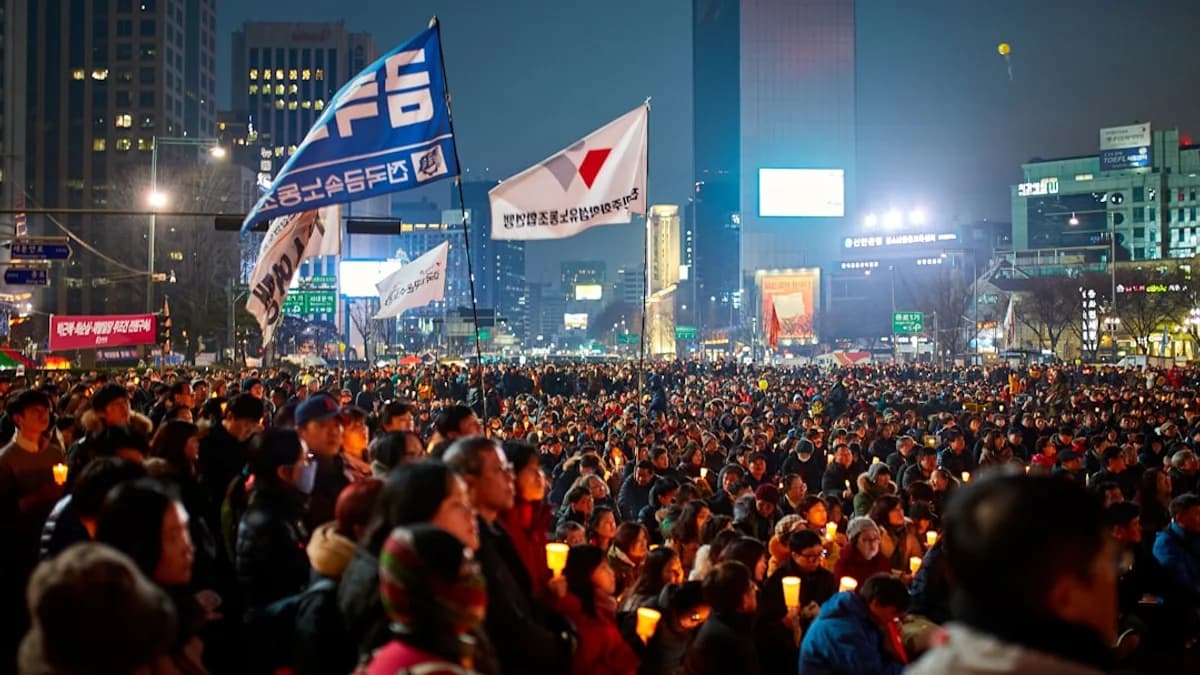
Over 2,000 protesters filled downtown Seoul on May 3, waving Palestinian flags and chanting for an end to what organizers called “genocidal attacks” on Gaza. The rally, one of the largest pro-Palestine demonstrations this year in East Asia, was spearheaded by the Korean Civil Society in Solidarity with Palestine, a coalition of labor unions, student groups, and human rights activists, according to Al Jazeera.
The marchers pressed through the Gwanghwamun district, carrying banners that read “Ceasefire Now” and “Stop the Killing in Gaza.” Many wore keffiyehs and carried placards in both Korean and English, signaling a clear intent to reach global audiences as well as local policymakers. Chants targeting Israel’s military campaign echoed for blocks, while speakers condemned what they described as international indifference.
The immediate spark: a surge in civilian casualties in Rafah after recent Israeli airstrikes. Organizers cited UN data—over 34,000 Palestinians killed since October—and called for the South Korean government to cut military trade with Israel. The protest, notably peaceful despite a heavy police presence, showed rare cross-generational mobilization, from university students to older trade unionists.
South Korea’s Public Response Highlights Growing Global Concern Over Gaza Conflict
South Korea’s official stance on the Gaza conflict has been muted—Seoul has urged de-escalation but stopped short of condemning Israel or endorsing sanctions. Public opinion, however, has shifted sharply since October, as mainstream media dramatically increased coverage of Gaza’s humanitarian crisis. National outlets such as KBS and The Hankyoreh have aired nightly segments on the war’s impact, pushing the issue into household debates.
No high-ranking government officials attended the protest or issued statements, but several opposition lawmakers posted messages of support. Rep. Kim Yong-min of the Democratic Party called for “an immediate halt to arms sales to countries violating human rights,” a thinly veiled rebuke of the current administration’s arms export policy.
The Seoul march mirrors a wave of solidarity actions worldwide. London, Paris, Jakarta, and New York saw tens of thousands on the streets in April, reflecting a broader pattern: public mobilization peaks after mass-casualty incidents in Gaza. Yet, South Korea’s turnout is striking given the country’s historic reticence on Middle East politics. In the past, fewer than 500 usually attended such rallies; this weekend’s crowd quadrupled that figure.
Coverage of the protest dominated trending topics on Korean social media for hours. Local news outlets, which rarely front-page Middle East affairs, ran live updates. Organizers credit the turnout to viral posts showing South Korean-made weapons in use in Gaza—a detail that has sparked debate over Seoul’s defense export priorities.
What to Expect Next: Potential Influence of South Korean Protests on Policy and Global Solidarity
The question now: will public pressure shift South Korea’s foreign policy? While the government is unlikely to break with the U.S. or halt arms deals overnight, analysts warn that sustained activism could force new parliamentary debates on military exports to conflict zones. Civil society groups have already filed petitions demanding parliamentary hearings on South Korea’s role as an arms supplier.
Another round of protests is already planned for mid-May, timed to coincide with the United Nations’ next emergency session on Gaza. Organizers say they expect even larger crowds if civilian casualties climb or if Seoul’s arms contracts make headlines again. Student groups at Seoul National University and Korea University are also planning campus occupations, echoing tactics seen recently in the U.S.
Diplomatic fallout could extend beyond rhetoric. If South Korea’s protest movement continues to grow, industry watchers expect closer scrutiny of defense contracts and possible restrictions on dual-use technologies. Neighboring Japan’s parliament has already faced pressure to review its own military trade with Israel after similar protests in Tokyo.
International observers are watching for signs that East Asian public opinion could reshape regional alignments on the Middle East. For now, the Seoul protests show that the Gaza crisis is no longer a distant conflict for South Korea’s civil society. If public outrage continues to escalate, policymakers may have to choose between lucrative defense deals and mounting domestic calls for a more principled stance.
Why It Matters
- Shows a rising wave of public solidarity in South Korea with Palestinians amid the Gaza conflict.
- Highlights a shift in South Korean public opinion and media coverage regarding the humanitarian crisis.
- Underscores global calls for ceasefire and policy changes, including demands to cut military ties with Israel.