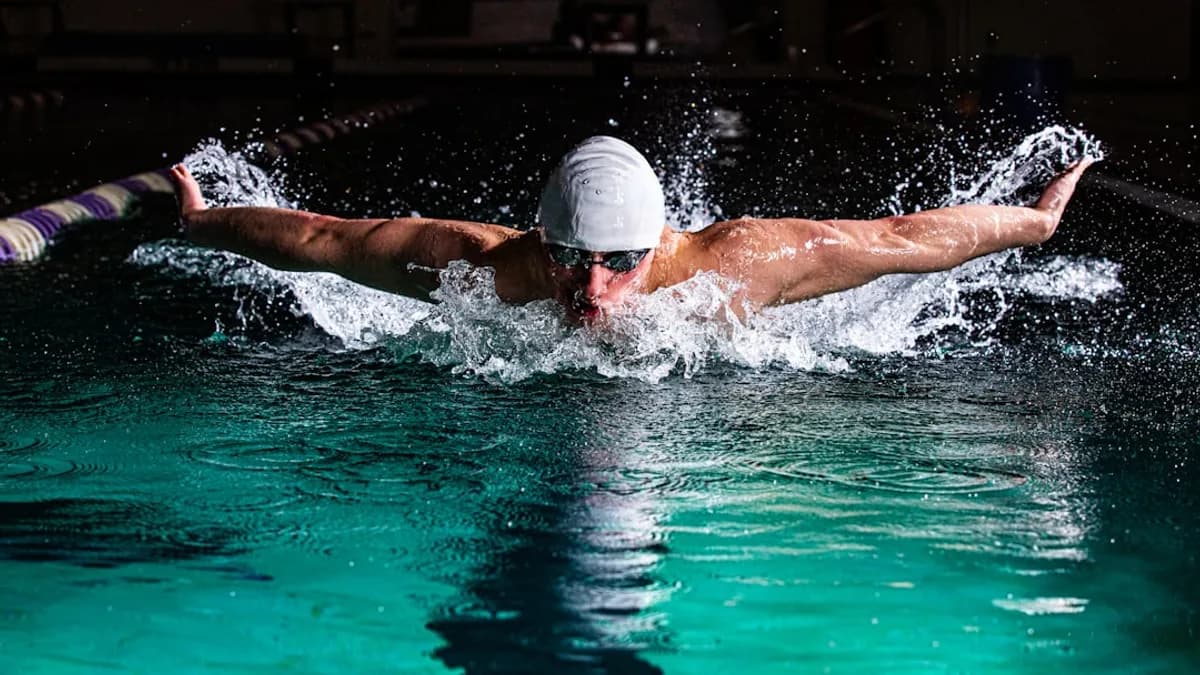
Gretchen Walsh Smashes 100m Butterfly World Record Again at Fort Lauderdale Open
Gretchen Walsh just demolished her own 100m butterfly world record for the fourth time, clocking 54.33 seconds at the Fort Lauderdale Open in Florida. Only a year ago, she set the previous mark—54.60 seconds—at this same meet, making today’s 0.27-second cut all the more staggering. No other woman has come close to this kind of sustained record-breaking in the event’s history, according to Al Jazeera.
Walsh, 21, exploded off the blocks and maintained a relentless pace, splitting 25.3 seconds at the turn—the fastest opening 50 meters ever recorded in a women’s butterfly final. That split put her more than half a second ahead of the field before she powered home with a closing 29.0. The second-place finisher, Sweden’s Sarah Sjöström, touched in at 55.09—three-quarters of a second behind.
The Fort Lauderdale pool seems to be Walsh’s proving ground. She set the last three world records here, cementing the venue’s reputation as a stage for watershed performances. In the past 12 months, Walsh has now sliced a full 0.46 seconds off the global standard, a massive leap in a technical sprint event where records usually fall by hundredths.
Impact of Walsh’s Record-Breaking Performance on Competitive Swimming
World records in the 100m butterfly don’t usually tumble this fast—or this often. Until Walsh’s streak, the event record stood unchanged for nearly five years, with only incremental improvements. Her four cuts in 12 months have upended the event’s status quo, forcing rivals to rethink what’s physically possible.
Every time Walsh resets the clock, she pushes rival elite swimmers—like Zhang Yufei, Torri Huske, and Louise Hansson—to chase a mark that was unimaginable as recently as 2023. Coaches are already re-examining their training cycles, emphasizing even faster starts and greater underwaters to keep pace with Walsh's opening splits. Sports scientists point to her stroke technique and unusually high stroke rate as factors that may rewrite the event’s playbook.
The swimming community isn’t just impressed—they’re recalibrating. Veteran analyst Rowdy Gaines called the swim “a paradigm shift for the 100 fly,” and social media lit up with reactions from current and former world champions. Sponsors are paying attention, too: Walsh’s record run is already driving new endorsement negotiations and raising the profile of U.S. women’s swimming ahead of the Paris Olympics.
For context, only two swimmers in history—Sarah Sjöström and Dana Vollmer—have previously broken the 55-second barrier. Walsh has now done it four times since May 2025. That kind of repeat dominance in a high-variance sprint is rare. It signals an athlete not just in peak form, but possibly creating a new era for the event.
What to Expect Next in Gretchen Walsh’s Swimming Career and Upcoming Competitions
All eyes now turn to the U.S. Olympic Trials, set for June in Indianapolis, where Walsh is the prohibitive favorite for the 100m butterfly. With her current form and margin over the field, another world record in the coming months is a real possibility—especially as she’s shown a knack for peaking at major meets.
The Paris 2026 Olympics loom large. Walsh is now the gold medal frontrunner, likely to anchor the U.S. medley relay and possibly chase records in the 50m and 100m freestyle as well. Her training updates—particularly around her turn speed and underwater work—will be under a microscope from rivals and analysts alike.
If Walsh continues this streak, she could reshape how the butterfly is swum at the elite level, not just in terms of times, but in the techniques and tactics coaches deploy worldwide. Investors and sponsors are already tracking her trajectory, as a dominant Olympic performance could mean a surge in endorsements and media attention for the sport.
The clock is ticking toward Paris, but for now, every women’s butterfly record on the books feels suddenly vulnerable.
Why It Matters
- Walsh's repeated record-breaking sets a new global standard in women's 100m butterfly.
- Her dominance forces rivals and coaches to rethink training and race strategies.
- Rapid improvements in record times signal a new era of competitiveness in the sport.