



Introduction: Preparing for an Active Weather Week
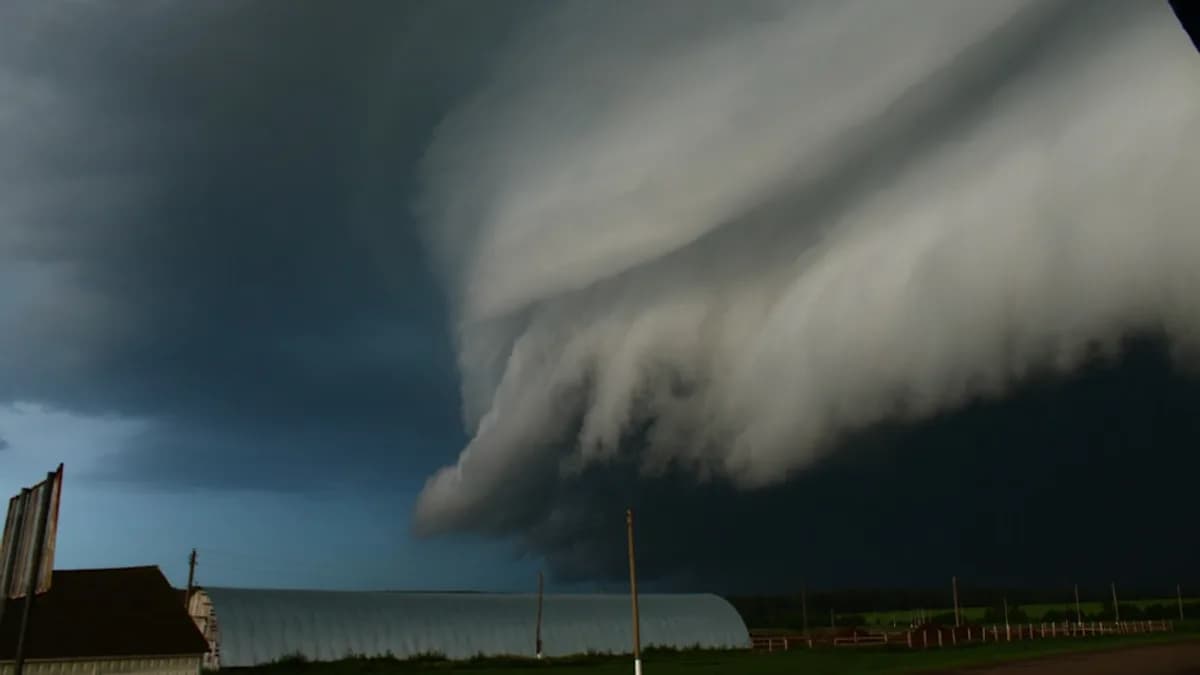
A stretch of highly active weather is bearing down on the Upper Midwest, with meteorologists warning of the potential for severe storms—including damaging hail, strong winds, and even tornadoes—especially around the Twin Cities region. As temperatures retreat from the recent 80-degree warmth, storm chances are set to increase significantly starting Monday afternoon and may persist into Tuesday evening [Source: Source]. For residents, these rapidly changing conditions underscore the importance of being prepared for sudden weather shifts.
This article provides a practical, step-by-step guide to help you stay safe and minimize potential damage during the upcoming severe weather events. From understanding what to expect, to preparing your home, staying informed, responding during storms, and recovering afterward, these strategies are tailored for Minnesota residents and anyone facing severe weather this week.
Understanding the Weather Threats: What to Expect
Forecasters are calling attention to a potent weather system slated to move through Minnesota, particularly affecting the Twin Cities area. The main threats include strong to severe thunderstorms capable of producing large hail—potentially up to golf-ball size—damaging straight-line winds that could top 60 mph, and isolated tornadoes [Source: Source]. These hazards pose significant risks to both property and personal safety.
The timeline for the most severe storms centers on Monday afternoon and evening, with the possibility of continued activity into Tuesday as new storm cells develop. Monday has been designated a “First Alert Weather Day” by several local stations due to the heightened risk [Source: Source]. This means local authorities and weather experts anticipate conditions that could quickly become dangerous.
Impacts from these storms may include property damage (broken windows, damaged roofs, and siding), power outages from downed trees and utility lines, and hazardous travel conditions. Understanding these threats is the first step toward effective preparation and response.
How to Prepare Your Home and Property for Severe Storms
Taking proactive measures before severe weather arrives can significantly reduce damage and improve your family's safety. Here’s how to prepare your home and property:
1. Secure Outdoor Items:
Anything left outside—patio furniture, grills, garden tools, toys, trash bins—can become dangerous projectiles in strong winds. Move these items indoors or secure them tightly to a sturdy structure. This not only protects your property but also prevents injuries and damage to neighboring homes.
2. Reinforce Windows, Doors, and Roof:
Inspect your windows and doors for any weaknesses. Close and lock all windows; consider installing storm shutters or using plywood for extra protection in vulnerable areas. Check roof shingles and gutters for loose or damaged sections, making repairs as needed to minimize hail and wind damage.
3. Prepare an Emergency Kit:
Power outages and injuries are common during severe storms, so assemble an emergency kit with:
- Flashlights and extra batteries
- A weather radio (battery-powered or hand-crank)
- First aid supplies
- Bottled water and non-perishable food for at least 72 hours
- Essential medications and copies of important documents
- Phone chargers and backup power banks
Store your kit where it’s easy to grab, such as a basement or interior closet.
4. Create a Safe Indoor Space or Storm Shelter:
Identify the safest place in your home to shelter during severe weather. Ideally, this is a basement or interior room on the lowest floor, away from windows and exterior walls—such as a bathroom, closet, or hallway. Make sure all family members, including children and pets, know where to go and how to get there quickly. Practice your emergency plan in advance.
5. Review Insurance Coverage:
Double-check your homeowner’s insurance policy to ensure it covers storm-related damage, including hail and wind. Take photos or videos of your home and possessions as documentation in case you need to file a claim.
By preparing before the storms arrive, you can help ensure your family’s safety and minimize potential losses.
How to Stay Informed and Monitor Weather Updates
Staying updated with real-time weather information is crucial for timely action. Consider these steps:
1. Use Trusted Weather Apps and Local News Sources:
Download reliable weather apps such as the National Weather Service, Weather Underground, or local news station apps. These provide up-to-the-minute radar, forecasts, and alerts for your area. Local TV and radio stations like MPR News and 5 EYEWITNESS NEWS will also issue important updates [Source: Source].
2. Understand Weather Alerts and Warnings:
Pay close attention to terms like “First Alert Weather Day.” Watch for official alerts:
- Severe Thunderstorm Watch: Conditions are favorable for severe storms.
- Severe Thunderstorm Warning: Severe weather is occurring or imminent.
- Tornado Watch/Warning: Tornadoes are possible or occurring—seek shelter immediately.
3. Set Up Multiple Notification Methods:
Don’t rely on just one alert system. Enable wireless emergency alerts on your smartphone, keep a weather radio handy, and sign up for local government or community notification services.
Having multiple ways to receive warnings ensures you won’t miss critical information, even if the power goes out or your phone loses service.
How to Respond During Severe Weather Events
When severe weather warnings are issued, it’s vital to act quickly and correctly. Here’s what to do:
1. Seek Shelter Immediately:
At the first sign of a warning—especially for tornadoes—move to your pre-identified safe place. If you’re in a mobile home, vehicle, or outdoors, seek more substantial shelter in a nearby building or designated storm shelter.
2. Safety Tips for Specific Threats:
- During Hail: Stay indoors, away from windows and skylights. Flying glass and large hailstones can cause serious injuries.
- During Strong Winds: Keep away from doors and windows. Avoid rooms with large expanses of glass. Close all interior doors to slow the path of wind and debris.
- During Tornadoes: Go to the lowest level, into a small room or hallway in the center of the building. Cover your head and neck with your arms, a mattress, or heavy blankets for extra protection.
3. Avoid Travel and Outdoor Activities:
Do not attempt to drive during severe weather warnings. Roads may become impassable due to flooding, debris, or downed power lines. Postpone any outdoor plans and bring pets indoors.
4. Communicate with Family and Neighbors:
Let everyone in your household know where to shelter and check in with neighbors, especially those who are elderly or have mobility issues. Make sure everyone understands your emergency plan and has access to your emergency kit.
5. Stay Informed:
Keep your weather radio or app on standby for updates. Be prepared to move to a safer location if conditions worsen or if a new warning is issued.
Quick, decisive action can make the difference between safety and disaster during a severe weather event.
Post-Storm Actions: Safety and Recovery
Once the immediate threat has passed, take the following steps to ensure safety and start the recovery process:
1. Check for Injuries:
Assess yourself and your family for injuries. Administer first aid as needed. If someone is seriously hurt, call 911 and follow instructions until help arrives.
2. Inspect Property Safely:
Before heading outside, check for hazards such as downed power lines, broken glass, or unstable structures. Wear sturdy shoes and gloves when inspecting damage. Document all visible damage with photographs or video for insurance claims.
3. Report Hazards:
Immediately report downed power lines, gas leaks, or major structural hazards to local authorities or utility companies. Do not attempt to move or touch power lines yourself.
4. Prepare for Power Outages:
If your power is out, use flashlights instead of candles to reduce fire risk. Conserve phone battery by limiting non-essential use. Keep refrigerator and freezer doors closed to preserve food as long as possible. Listen for updates about service restoration and emergency shelters if needed.
5. Stay Connected:
Let friends and family know you’re safe, and check in on neighbors, particularly those who may need extra help during recovery.
Taking these steps can help you and your community recover more quickly and safely from severe storms.
Conclusion: Staying Safe Through an Active Weather Week
The onset of severe storms brings both unpredictability and potential danger to the Twin Cities and surrounding areas this week [Source: Source]. By understanding the weather threats, preparing your home, staying informed, responding appropriately during warnings, and taking smart recovery steps, you can minimize risks and protect what matters most.
Remain vigilant throughout the week, keep communication lines open with loved ones, and offer help to neighbors in need. Proactive preparation and community support are your best tools for staying safe during an active—and potentially hazardous—weather stretch.