
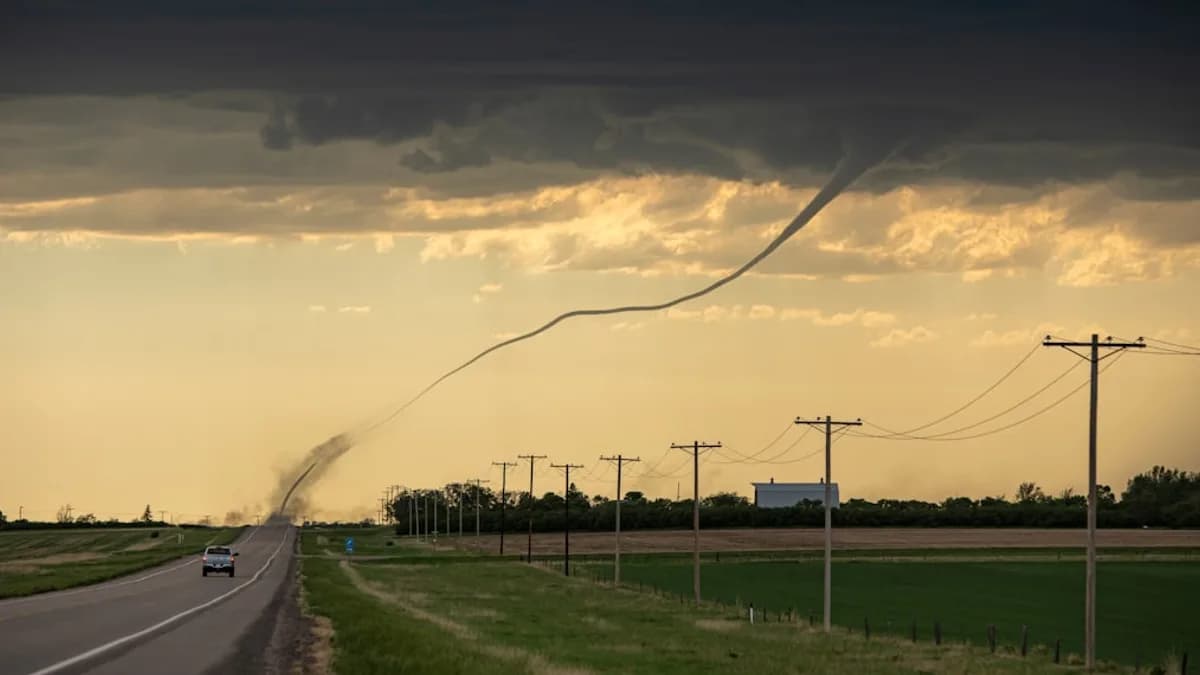
Introduction: Understanding Severe Storms and Tornadoes in Southern Minnesota
Southern Minnesota is no stranger to extreme weather, but recent events have underscored the importance of storm preparedness and safety. On Tuesday evening, several communities were battered by severe storms that produced baseball-size hail and multiple tornadoes, leaving property damage and dangerous road conditions in their wake [Source: Source]. These events prompted the declaration of a First Alert Weather Day, signaling heightened risk and the need for immediate action.
For residents, understanding how to prepare before storms hit, how to stay safe during severe weather, and how to respond afterward is essential. This article offers practical, step-by-step guidance to help you protect yourself, your family, and your property during Minnesota’s unpredictable storm season.
How to Prepare Before Severe Storms and Tornadoes Strike
Preparation is your best defense against severe storms and tornadoes. By taking proactive steps, you can minimize risk and ensure your household is ready to act quickly when warnings are issued.
Stay Informed with Reliable Weather Updates
Monitor forecasts and warnings from trusted sources such as MPR News, FOX 9 Minneapolis-St. Paul, and local meteorologists. These outlets provide timely updates on storm development, tornado watches and warnings, and real-time coverage during emergencies [Source: Source]. Consider downloading weather alert apps and enabling notifications to stay informed, especially on days when severe weather is expected.
Assemble an Emergency Kit
A well-stocked emergency kit is vital for weathering storms that may cause power outages or leave you stranded. Your kit should include:
- At least three days’ supply of water (one gallon per person per day)
- Non-perishable food
- Flashlights and extra batteries
- A battery-powered or hand-crank weather radio
- Necessary medications and basic first aid supplies
- Phone chargers and backup power banks
- Important documents in a waterproof bag
Check your kit every season and refresh supplies as needed.
Develop a Family Emergency Plan
Discuss with your family how you’ll communicate and where you’ll meet if separated during a storm. Designate a safe shelter location in your home—ideally a basement, storm cellar, or interior room with no windows—and make sure everyone knows how to access it quickly. Practice your storm drill at least once a year.
Secure Your Property
Before severe weather strikes, take steps to minimize potential damage:
- Reinforce windows and doors with storm shutters or plywood if possible.
- Bring outdoor furniture, grills, and other loose items indoors to prevent them from becoming projectiles in high winds.
- Trim trees and remove dead branches that could fall on your home or power lines.
- Check that gutters and downspouts are clear to prevent flooding.
Being prepared in advance not only protects your property but also provides peace of mind when storms are on the horizon.
How to Stay Safe During Severe Storms and Tornadoes
When severe storms and tornadoes threaten, knowing what to do in the moment can save lives.
Identify and Move to Safe Shelter
The safest place during a tornado is a basement or storm cellar. If you don’t have access to a basement, choose an interior room on the lowest floor of your home, such as a bathroom or closet, away from windows and exterior walls. Avoid seeking shelter in mobile homes or vehicles, as they offer little protection from strong winds or flying debris.
Recognize Tornado Warning Signals and Act Quickly
Be aware of tornado warning signals, which may include:
- A tornado siren sounding in your community
- Emergency alerts on your phone or weather radio
- Unusual sky conditions, such as a greenish tint or swirling clouds
- A loud, continuous roar, like a freight train
When a tornado warning is issued or you observe warning signs, take shelter immediately—do not wait for confirmation.
Protect Yourself from Hail and Flying Debris
Baseball-size hailstones can shatter windows and cause serious injury. Stay away from windows and glass doors during a hailstorm. If possible, cover yourself with a mattress, heavy blankets, or a sturdy table to protect against broken glass and debris. Wearing sturdy shoes can help protect your feet from sharp objects if you need to move after the storm.
Driving Safety During Severe Weather
If you’re caught driving during heavy rain, hail, or a tornado warning, follow these tips:
- Slow down and turn on headlights to improve visibility.
- Pull over safely if hail or a tornado is imminent—ideally under a sturdy shelter like a highway overpass (not recommended for tornadoes due to wind tunnel effects) or a gas station canopy.
- Remain in your vehicle with your seatbelt on, cover your head with your arms or a blanket, and avoid parking under large trees or power lines.
- Never attempt to outrun a tornado by car. If you spot a tornado, leave your vehicle and find a low-lying ditch, lying flat and covering your head.
Special Note on Dust Whirls and Road Hazards
Tornadoes can whip up dust and debris, creating near-zero visibility on roads and posing serious hazards [Source: Source]. If you encounter these conditions, stop your vehicle safely and wait for visibility to improve. Do not drive through flooded roads.
How to Respond After Severe Weather Events
Once the immediate threat has passed, it’s important to prioritize safety and begin recovery.
Check for Injuries and Provide First Aid
Check yourself and your family members for injuries. Treat minor wounds with your first aid kit, and seek medical attention for serious injuries as soon as possible. Remember that emergency services may be delayed if roads are blocked or communication networks are down.
Avoid Downed Power Lines and Report Hazards
Downed power lines, damaged gas lines, and flooding are common hazards after severe storms. Stay far away from fallen lines and report them to authorities immediately. Avoid wading through water, which may hide electrical hazards or sharp debris.
Inspect and Document Property Damage Safely
Inspect your home and property for damage, but do so cautiously. Wear sturdy shoes and gloves to protect yourself from sharp or broken objects. Take photos and document all damage for insurance claims before beginning any cleanup or repairs.
Access Community Resources and Support
Local governments, the Red Cross, and community organizations often provide emergency shelter, food, and recovery assistance after severe weather events. Stay tuned to local news and official websites for information on available resources and how to apply for aid [Source: Source]. If you need emotional support, reach out to community hotlines or counseling services.
Conclusion: Staying Vigilant and Prepared for Future Storms
Severe storms and tornadoes are part of life in southern Minnesota, but their impact can be lessened with preparation and vigilance. By monitoring reliable weather updates, assembling an emergency kit, developing a family plan, and knowing how to respond during and after a storm, you can help keep yourself and your loved ones safe.
Stay informed through trusted sources like MPR News and local meteorologists, and review your emergency plans regularly to ensure readiness. For ongoing updates and guidance, visit local news outlets and the National Weather Service website. Proactive preparation is your best tool for weathering Minnesota’s most severe storms [Source: Source].