Overview of the Foiled Arson Attack on London’s Jewish Community
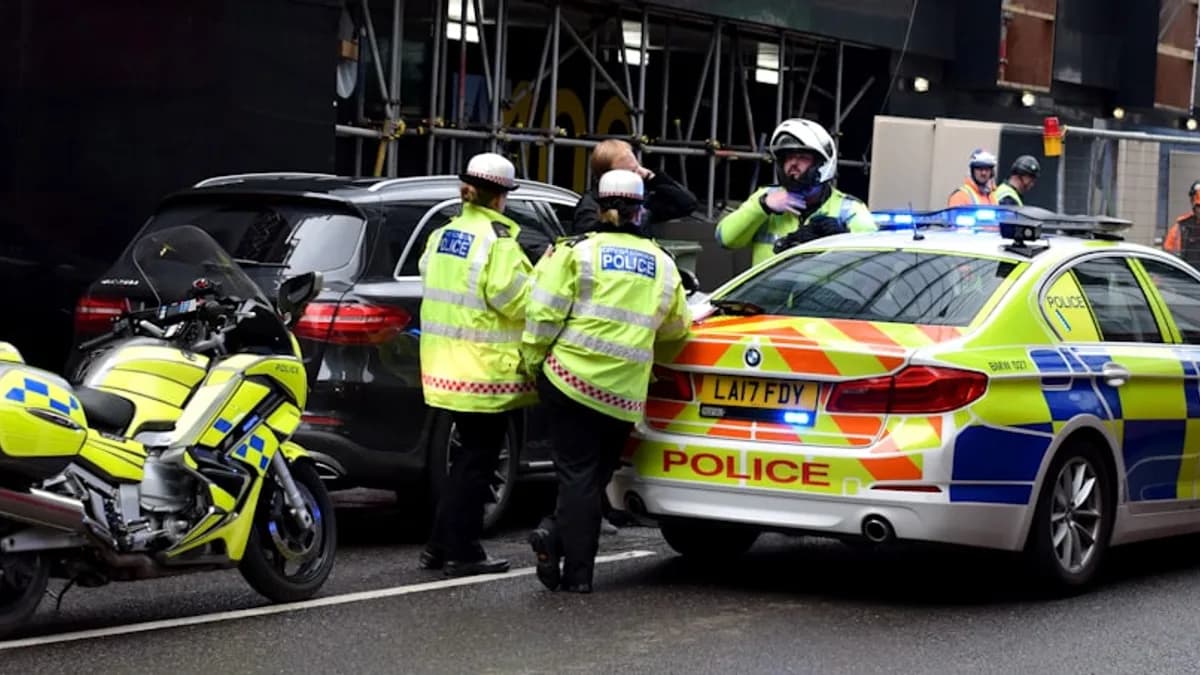
Police stopped a planned arson attack on a Jewish community site in London. Seven people are now in custody after the operation, which happened last week. One of them, a 17-year-old boy, pleaded guilty to setting fire to a synagogue in a separate incident [Source: Google News]. The arrests came after a series of threats and attacks aimed at Jewish sites across the city.
Investigators acted fast after getting tips about suspicious activity near the Jewish community center. They found materials that could start a fire and tracked down the suspects. The timeline started with the synagogue attack, which set off alarms for police and community leaders. By the weekend, officers had arrested seven people linked to the planned arson. The 17-year-old’s guilty plea pointed to a troubling pattern of young people being involved in hate crimes.
Authorities are still checking if these suspects are connected to other incidents. The police say their quick work stopped what could have been a much larger tragedy. The Jewish community, which has seen threats increase in recent months, is now calling for more protection. This event is part of a larger story about rising tension and fear among British Jews.
Growing Concerns Over Safety of Jewish Communities in the UK
Jewish people in Britain are worried about their safety more than ever. Attacks and threats aimed at synagogues and schools have made families afraid to go out or gather for religious events. Community leaders say these fears are real and growing. David Davidi-Brown, a Jewish advocate, wrote that Jews in Britain are scared and need support from their friends, neighbors, and local leaders [Source: Google News].
He’s not alone. Many Jewish groups want stronger allyship from the wider public. They say that when hate crimes rise, it’s not just a problem for Jews, but for everyone who cares about fairness and peace. Political leaders have spoken up, but Jewish families say words are not enough. They want more patrols around community sites and fast responses to any threats.
Public support matters. When neighbors and local leaders stand up for Jewish communities, it helps people feel safer. It also sends a clear message to those who want to spread hate: they won’t win. The need for unity is strong, and many Jewish groups are calling for more action and less talk.
Investigation into Possible Iranian Proxy Involvement in Attacks
Police are asking if recent attacks on Jewish sites in London were planned by groups linked to Iran. U.K. officers and intelligence agents are looking at possible ties between the suspects and foreign networks [Source: Google News]. In the past, there have been cases where Iranian proxies used local people to carry out attacks aimed at causing fear and division.
Law enforcement is checking phone records, online messages, and travel history to see if the arrested suspects got help from outside the country. Some officials believe that Iran-backed groups may be trying to stir up trouble in Britain as part of bigger political plans. If true, this would mean hate crimes are not just local problems, but could be part of global conflicts.
A police spokesperson said they are working closely with intelligence services to find out if foreign groups had any role. If Iranian proxies are behind the attacks, it could change how Britain deals with both anti-Semitic violence and national security. It would also mean that local hate crimes are tied to bigger political fights in the Middle East.
Experts say that foreign influence on hate crimes is rare but serious. It can make local communities feel even more unsafe and force governments to rethink their security. This investigation is still ongoing, and the results could have big effects on how Britain protects its Jewish citizens.
Broader Context of Anti-Semitic Attacks in the U.K. and Europe
Anti-Semitic attacks are rising not just in Britain, but across Europe. In 2023, the U.K. saw a record number of hate incidents against Jewish people, with the Community Security Trust reporting over 2,000 cases — the highest since records began [Source: Google News]. France, Germany, and other countries have faced similar spikes. These incidents include graffiti, threats, violent assaults, and arson.
In London, Jewish schools and synagogues have had to boost security. In Paris, police now patrol Jewish neighborhoods every day. Germany has seen protests and attacks linked to global events, like the conflict in the Middle East. Many European governments have promised to fight anti-Semitism, but Jewish leaders say more needs to be done.
The rise in attacks affects how people live and worship. Some Jewish parents are pulling their kids out of school. Many are scared to wear religious symbols in public. Community groups are working harder to build bridges with other faiths, hoping to fight hate with dialogue.
Government responses vary. Some countries have strict hate crime laws. Others focus on education and awareness. But the trend is clear: anti-Semitism is not going away. The impact on social trust is big. It makes people worry that old prejudices are coming back, and that society is not as safe or welcoming as it should be.
Implications and Next Steps for Security and Community Support
The arrests in London show that police can act fast to stop attacks, but they also highlight gaps in security. Jewish leaders want more cameras, guards, and patrols at community sites. They also ask for better training so police can spot threats early. Experts say that these steps help, but more is needed.
Governments must update laws to make it easier to charge people with hate crimes. Civil society groups — like neighborhood watches and interfaith councils — can help build trust and share information. Public awareness is key. When people know what hate crimes look like, they can report them quickly and help prevent violence.
Some leaders call for stronger partnerships between police and Jewish groups. Sharing tips and having open meetings makes everyone feel safer. Technology can play a role too. Apps and alert systems help communities respond faster when something happens.
The main takeaway is clear: keeping Jewish sites safe takes teamwork. It’s not just about police or laws. It’s about everyone doing their part to protect neighbors and stand against hate.
Conclusion: Strengthening Solidarity Amid Rising Threats to Jewish Communities
The foiled arson attack and recent arrests in London show that hate crimes against Jewish communities are a real and growing threat. These events remind us that unity and allyship are needed now more than ever. Jewish leaders, like David Davidi-Brown, are calling for stronger support from friends, neighbors, and politicians [Source: Google News].
Policymakers must act, but so must everyday people. Standing up for Jewish safety sends a message that hate has no place here. As investigations continue, the focus should stay on working together. Resilience and cooperation will help Jewish communities stay strong, even as threats rise. The future depends on everyone choosing to be an ally and refusing to let hate win.
Why It Matters
- The foiled arson attack highlights increasing threats and violence against Jewish communities in London.
- Police intervention prevented a potential tragedy and underscores the importance of rapid response to hate crimes.
- This incident raises urgent questions about youth involvement in hate crimes and the need for greater community protection.