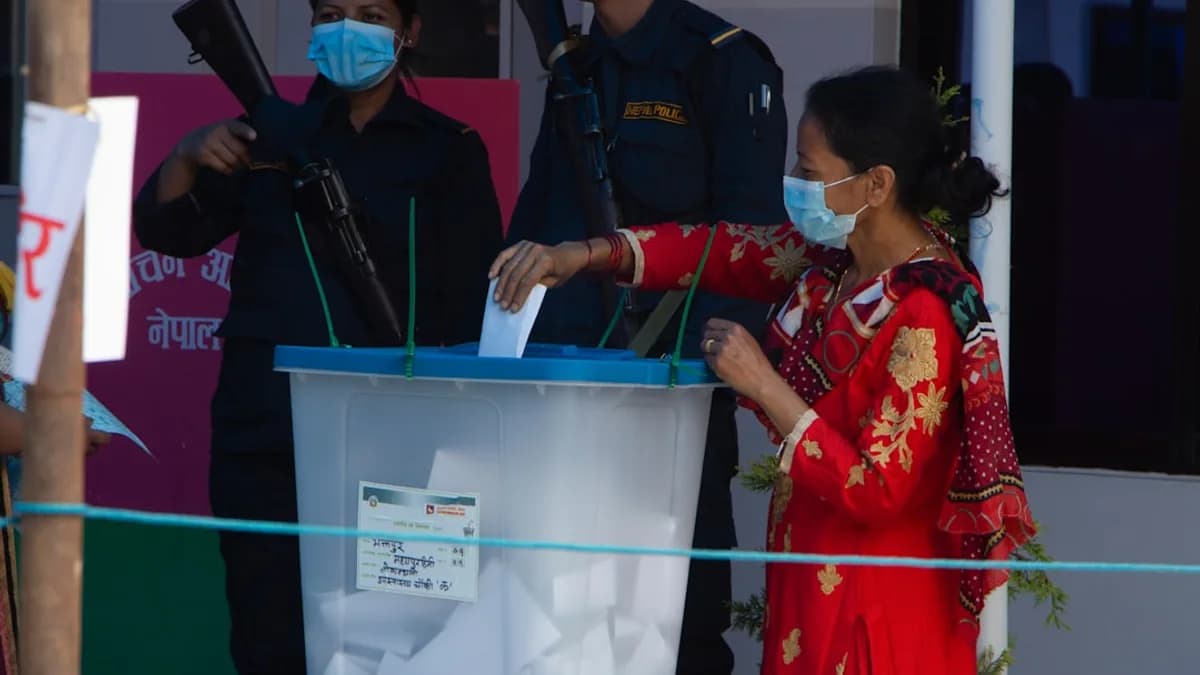
Introduction: Overview of the Bulgarian Election and Rumen Radev's Position
Bulgaria’s 2024 presidential election is attracting significant attention across Europe, as voters head to the polls amid political uncertainty and geopolitical tensions. At the center of this electoral contest is Rumen Radev, a former president widely seen as aligned with Moscow. According to exit polls, Radev is poised to secure another term, outpacing his rivals and consolidating his influence over Bulgaria’s political landscape [Source: Source].
The outcome of this election carries broader significance, not only for Bulgaria’s domestic policy but also for Europe’s balance of power. As the European Union grapples with challenges to unity and stability, Bulgaria’s direction under Radev, whose stance is notably pro-Russian, has implications for the region’s relationship with both the EU and NATO. The result may signal a shift in Eastern European politics, especially following recent changes in Hungary’s leadership.
Rumen Radev’s Political Profile and Russia Alignment
Rumen Radev, a retired air force general, first rose to prominence in Bulgarian politics with his successful presidential campaign in 2016. Throughout his tenure, Radev has cultivated an image as a pragmatic leader, focusing on national sovereignty and social stability. However, his policy positions and public statements have consistently leaned toward closer ties with Russia, setting him apart from many of Bulgaria’s Western-oriented politicians [Source: Source].
Radev’s pro-Russian alignment is evident in his approach to issues such as military cooperation, energy policy, and foreign affairs. He has frequently advocated for Bulgaria to maintain a balanced stance between East and West, often criticizing EU sanctions against Russia and calling for greater dialogue with Moscow. This positioning has resonated with a segment of the Bulgarian electorate that feels disillusioned with the EU and NATO, particularly amid economic challenges and concerns over national identity.
His campaign promises this election cycle have centered on improving economic conditions, reducing corruption, and preserving Bulgaria’s cultural heritage. Radev has emphasized the need for independent foreign policy and energy security, pledging to safeguard Bulgaria’s interests regardless of external pressures. His voter base includes older citizens, rural communities, and those skeptical of rapid Western integration. At the same time, Radev’s critics argue that his stance risks undermining Bulgaria’s EU commitments and complicating relations with NATO allies.
Election Results and Exit Polls Summary
Early exit polls indicate that Rumen Radev is the clear front-runner, with a substantial lead over his main competitors. According to data released shortly after polls closed, Radev is expected to secure a majority of the votes, potentially avoiding a runoff and reaffirming his position as Bulgaria’s president [Source: Source]. His nearest challengers, representing pro-Western and centrist parties, have struggled to mobilize broad support amid fragmentation within the opposition.
Voter turnout has been moderate, reflecting both political fatigue and the polarizing nature of the campaign. Demographic analysis shows that Radev enjoys strong backing among older voters and in regions with historical ties to Russia, while younger and urban voters remain divided between the pro-European candidates. The results underscore the enduring appeal of Radev’s platform and the challenges facing Bulgaria’s liberal and reformist parties.
Regional and International Reactions
The prospect of Rumen Radev’s victory has elicited cautious reactions from European Union officials and Bulgaria’s neighbors. Brussels has expressed concern about the potential for Bulgaria to drift away from EU policy consensus, particularly regarding sanctions and diplomatic relations with Russia [Source: Source]. Some EU leaders have called for continued engagement with Bulgaria to reinforce democratic standards and avoid further fragmentation within the bloc.
Neighboring countries, including Romania and Greece, are watching closely, given Bulgaria’s strategic position in the Balkans. A shift toward a more Russia-friendly administration could influence regional energy projects, security cooperation, and migration policy. NATO officials have reiterated the importance of unity and warned against any moves that could weaken collective defense in Eastern Europe.
From Moscow, the Kremlin has welcomed Radev’s lead, viewing Bulgaria as a potential ally in its efforts to counter Western influence in the region. Russian state media have highlighted Radev’s balanced approach and his criticism of EU sanctions, framing his victory as a sign of growing dissent within Eastern Europe. Analysts suggest that Moscow may seek to deepen economic and political cooperation with Bulgaria, leveraging Radev’s presidency to bolster its strategic interests [Source: Source].
Context: Bulgaria’s Political Landscape Post-Hungary Election
The Bulgarian election comes on the heels of a major shift in Hungary, where long-time leader Viktor Orban was defeated, altering the political calculus for Moscow and the EU alike. With Orban’s exit, Bulgaria has emerged as the Kremlin’s next best bet for maintaining influence in Eastern Europe [Source: Source]. Radev’s pro-Russian orientation positions him as a key figure in this evolving landscape.
For the European Union, Bulgaria’s potential realignment could complicate efforts to maintain a unified stance on Russia and other critical issues. The region is already grappling with challenges to democratic institutions, migration, and energy security. Radev’s leadership may embolden other EU members to adopt more independent foreign policies, potentially undermining collective action.
The election also has implications for regional stability. Bulgaria’s role as a gateway between Europe and the Balkans makes its political trajectory crucial for broader security and economic cooperation. As Hungary’s influence wanes, Bulgaria’s position becomes more prominent, raising questions about the future of EU cohesion and the balance of power in Eastern Europe.
Conclusion: What Radev’s Potential Victory Means for Bulgaria and Europe
Rumen Radev’s projected win in Bulgaria’s presidential election marks a significant moment for both the country and the broader European region. His pro-Russian stance and campaign promises have struck a chord with many voters, offering a vision of national independence and stability amid shifting geopolitical currents [Source: Source]. However, Radev’s leadership also presents challenges for Bulgaria’s relations with the EU and NATO, as well as for regional security.
The coming months will be critical as Bulgaria navigates its path under Radev’s presidency. The government will face pressure to balance domestic priorities with international obligations, and the EU will need to adapt its strategy to preserve unity and stability. Ultimately, the outcome of this election may set the tone for future political developments in Bulgaria and influence the trajectory of Eastern European politics for years to come.