Introduction: Pope Leo’s Visit to Africa and Its Significance
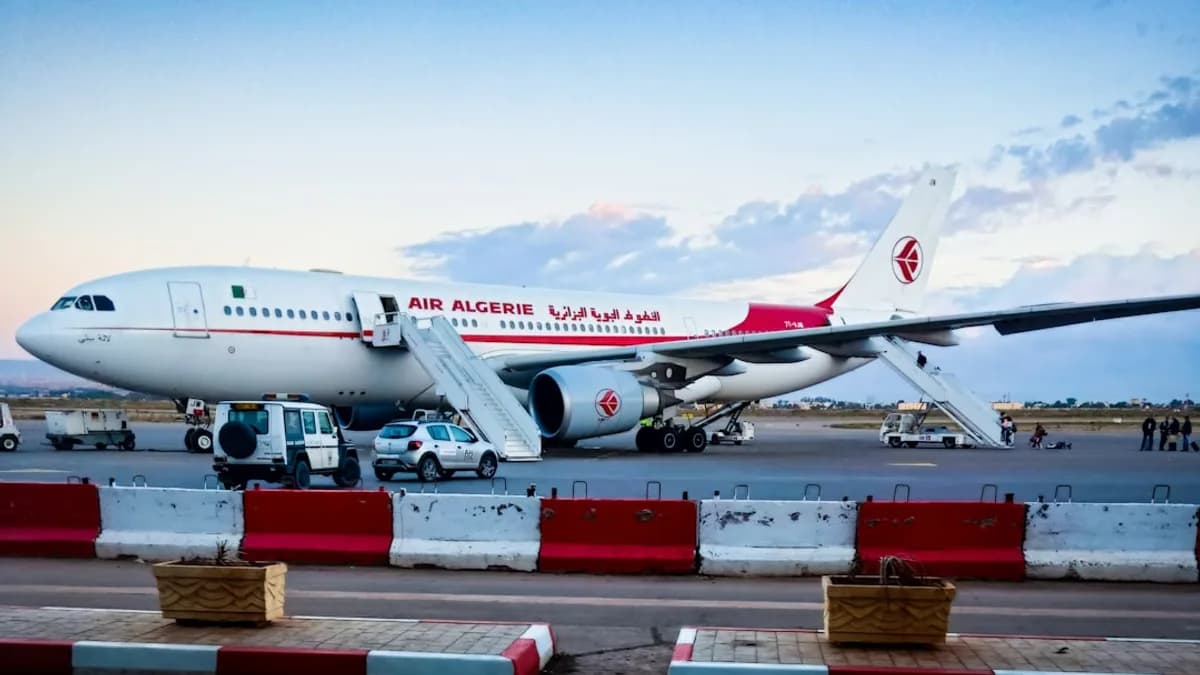
Pope Leo’s current journey to Algeria marks the beginning of a significant tour across Africa, a continent rapidly emerging as the beating heart of global Catholicism. On board the flight to Algiers, the pontiff made his priorities clear: “I am not a politician, I speak of the Gospel” [Source: Source]. This statement, delivered at a time of heightened religious and political tensions in various African regions, sets the tone for what is both a spiritual pilgrimage and a subtle diplomatic mission.
As the first leg of his African visit unfolds, Pope Leo’s presence is already sparking dialogue—both within the Catholic Church and in the broader social fabric of the countries he is visiting. In regions where faith and politics are often deeply entwined, the Pope’s insistence on spiritual, rather than political, leadership raises critical questions about the Church’s evolving role. This visit is not just a tour; it is a pivotal moment for the future of Catholicism in Africa and the world.
The Role of the Pope: Spiritual Leader vs. Political Figure
Pope Leo’s statement, “I am not a politician, I speak of the Gospel,” is as much a declaration of intent as it is a reflection of the tightrope every pontiff must walk. Historically, popes have been both spiritual shepherds and, at times, formidable political actors. From negotiating peace treaties in medieval Europe to recent interventions on migration and economic justice, the Vatican has always wielded a unique blend of soft power and moral authority.
Yet, the modern era—especially in Africa—complicates this dual identity. Catholic leaders are often called upon to speak out against corruption, violence, and injustice, and their pronouncements can sway political tides. Africa’s religious landscape is especially intricate: the Church is a major provider of education, health care, and social services, making its leaders de facto stakeholders in political discourse. This context makes Pope Leo’s insistence on focusing solely on the Gospel both admirable and problematic.
On one hand, his stance preserves the Church’s spiritual purity, reinforcing its universal mission to preach love, forgiveness, and solidarity. On the other, it can be perceived as a retreat from pressing social issues where the Church’s moral voice could make a tangible difference. In regions where governments are weak or compromised, people often turn to the Church for advocacy and protection. Pope Leo’s approach risks disappointing those who hope for a more activist stance, but it also safeguards the Church from being co-opted by local political agendas.
The Pope’s position, therefore, is not merely personal—it shapes global perceptions of what the Catholic Church stands for. In a world where religious leaders are often challenged to take sides, Pope Leo’s emphasis on the Gospel is a reminder that the true power of faith may lie not in politics, but in the call to moral transformation.
Africa as the Future of Catholicism: Opportunities and Challenges
Africa is now the world’s fastest-growing Catholic region—a reality that is reshaping both the demographic and spiritual future of the Church [Source: Source]. While European congregations dwindle, African parishes are vibrant, youthful, and expanding. This dynamism presents tremendous opportunities: Africa can become a wellspring of vocations, leadership, and new approaches to faith that might revitalize the global Church.
However, the continent also faces formidable challenges. Many African countries struggle with poverty, political instability, and conflict. The recent announcement of a three-day ceasefire by Cameroon separatist groups in honor of the Pope’s visit is a striking example of the Church’s capacity to influence local events [Source: Source]. Such gestures underscore the respect and authority the papacy commands, even in fractured societies.
Yet, these same societies often expect the Church to go beyond spiritual guidance and actively address issues like inequality, human rights, and peacebuilding. While the Pope’s visit brings hope and international attention, it also raises expectations among millions of Catholics who see the Church as a potential force for social transformation. The challenge is to harness the Church’s growing influence in Africa for the common good, without overstepping the boundaries of its religious mission.
The Pope’s presence in Africa is a powerful signal: the continent is not just the future of Catholicism, but also its laboratory. Every encounter, every homily, every diplomatic overture is a test of how the Church can navigate the intersection of faith, culture, and politics in the 21st century.
Peace and Diplomacy: The Pope’s Role Amid Conflict
One of the most compelling aspects of Pope Leo’s African visit is its immediate impact on conflict dynamics. The temporary ceasefire declared by separatist groups in Cameroon is a rare, if fleeting, moment of peace inspired directly by the Pope’s presence [Source: Source]. This is a testament to the unique kind of diplomacy that religious figures can practice—one rooted not in political negotiation, but in moral suasion.
Pope Leo is widely seen as a “man of peace” [Source: Source], and his peacemaking efforts carry weight in regions where traditional diplomacy has often failed. The symbolism of his visit—mass gatherings, interfaith dialogues, and prayers for reconciliation—can create space for opposing sides to reconsider their positions, if only temporarily.
Yet, there are limits to what even a popular pontiff can achieve. Ceasefires arranged for papal visits are, by their nature, short-lived. Deep-seated grievances and structural injustices cannot be resolved by moral appeals alone. Critics argue that such symbolic gestures risk papering over deeper issues or providing political cover to leaders who are otherwise resistant to reform. There is also a risk that the Pope’s neutrality, while well-intentioned, could be interpreted as a lack of solidarity with victims of oppression.
Despite these criticisms, it would be wrong to underestimate the value of religious diplomacy. The Catholic Church, with its vast grassroots networks and moral authority, is often able to mediate in ways that governments cannot. The Pope’s presence, his calls for peace, and the temporary halting of violence—even for a few days—offer a glimpse of what is possible when spiritual leadership is taken seriously by all sides.
Conclusion: The Gospel’s Message in a Complex World
Pope Leo’s African visit is a masterclass in balancing spiritual mission with political reality. By insisting that he speaks only of the Gospel, he both protects the Church’s core identity and tests the boundaries of its influence. In a continent where the Church’s future will be written, his approach invites both admiration and scrutiny.
Ultimately, the effectiveness of Pope Leo’s stance will be judged by how well it resonates with Africa’s Catholics—and by whether it inspires real change, not just in hearts, but in societies. As the Church’s center of gravity shifts southward, its leaders must find new ways to engage with the world’s complexities without losing sight of their deepest calling.
The challenge for the Catholic Church, and for all who watch its evolution, is to engage thoughtfully with this new reality—one in which the Gospel’s message must be both timeless and urgently relevant. Pope Leo’s journey is a reminder that, in the end, spiritual leadership can still move nations, even as it strives to transcend politics.