Introduction: Pope Leo XIV's Africa Trip in Context
Pope Leo XIV has embarked on a high-profile journey across Africa, a region where the Catholic Church is experiencing unprecedented growth and facing unique challenges. His itinerary includes stops in Algeria and Cameroon, countries that represent both the historical roots and the contemporary vibrancy of African Catholicism. The visit is significant not only as a diplomatic mission but also as a deeply personal pilgrimage for the Pope, who seeks to reconnect with the birthplace of his spiritual identity [Source: Source]. As he travels the continent, Pope Leo is expected to engage with pressing issues facing the local Church, none more complex than the ongoing debate over polygamy—a practice widely accepted in some African cultures, but at odds with Catholic doctrine. The trip promises to be a pivotal moment, highlighting the dynamic relationship between tradition, faith, and cultural realities in modern Africa.
Catholicism's Growth Across Africa
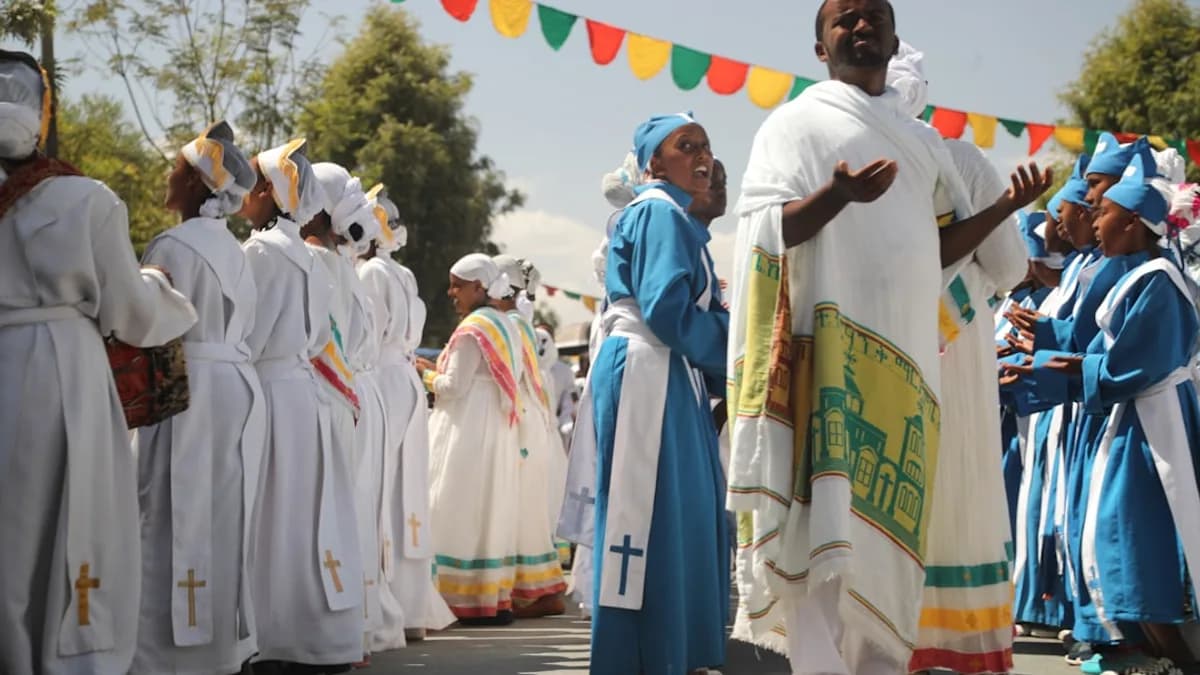
Africa has emerged as one of the fastest-growing centers of Catholicism in the world. Demographic projections show that, by 2050, Africa could be home to more than one-fifth of the global Catholic population—an extraordinary statistic that underscores the continent’s spiritual transformation [Source: Source]. This rapid growth is fueled by several factors, including high birth rates, dynamic local missionary movements, and the Church’s active role in education, healthcare, and social development. In many communities, Catholic parishes serve not only as places of worship but also as hubs of social support, providing services that governments often cannot.
Local clergy and lay leaders play a crucial role in this expansion, adapting Church teachings to African realities while remaining connected to the global Catholic tradition. Their efforts have made Catholicism particularly appealing to young Africans, who seek both spiritual guidance and a sense of community. This boom in Catholic affiliation has not gone unnoticed by the Vatican; Pope Leo XIV’s visit reflects a growing recognition that Africa’s voice is increasingly influential in shaping the future of the Church. The Vatican’s approach to African issues is now more collaborative, seeking to integrate local perspectives into broader Church policies and doctrines [Source: Source].
Pope Leo XIV's Itinerary and Key Stops
Pope Leo XIV’s African tour is both strategically and symbolically significant. His journey began in Algeria, a country deeply intertwined with his own spiritual heritage. The Pope’s visit to Algeria is seen as a personal pilgrimage to the roots of his faith, underscoring his desire to bridge the past and present of Catholic identity [Source: Source]. Algeria, a predominantly Muslim country, also represents the interreligious dialogue that the Pope has championed throughout his pontificate.
In Cameroon, Pope Leo’s presence has put local church leaders like Archbishop Andrew Nkea in the spotlight. Cameroon’s Catholic community faces both opportunities and challenges, ranging from political instability to the need for social reconciliation. The Pope’s meetings with clergy and laypeople have focused on strengthening the Church’s role as a force for peace and unity in a country marked by conflict [Source: Source]. Archbishop Nkea’s rising prominence reflects the growing importance of African voices within global Catholicism.
Other stops on the itinerary, including brief visits to regional centers and meetings with interfaith leaders, have highlighted the diverse cultural and religious landscapes of Africa. Each stop is carefully chosen to reflect the continent’s multifaceted Catholic experience—from historic Christian enclaves to rapidly growing urban congregations. These visits underscore the Vatican’s commitment to engaging with Africa not just as a mission field, but as a vibrant and essential part of the global Church.
The Polygamy Debate: Challenges and Perspectives
One of the most sensitive issues Pope Leo XIV confronts on this trip is the Church’s stance on polygamy, a practice that remains prevalent in many African societies. In regions where polygamous marriages are culturally accepted and sometimes even expected, the Catholic doctrine of monogamy presents a significant pastoral challenge. The Church traditionally requires converts in polygamous unions to choose one spouse, a position that can create personal and communal tensions [Source: Source].
Pope Leo XIV is expected to address these tensions with both candor and compassion. According to Vatican sources, the Pope’s approach is likely to emphasize the Church’s teaching on the sanctity of marriage, while also expressing understanding for the cultural complexities faced by African Catholics. He may call for renewed pastoral sensitivity, urging clergy to accompany families in their spiritual journeys rather than imposing rigid solutions that could alienate them from the faith [Source: Source].
Reactions to the Church’s position on polygamy among African Catholics are mixed. Some local Church leaders advocate for a more flexible approach, arguing that strict enforcement of monogamy risks excluding large segments of the population who are otherwise drawn to the Church’s message and community. Others insist on upholding traditional doctrine, fearing that accommodation could undermine Catholic identity and universal teachings.
The debate extends beyond theological circles, touching on broader questions of cultural identity and the role of the Church in African society. Many lay Catholics express concern that the Church’s position does not fully appreciate the realities of African family life, where polygamy can be linked to social stability and economic support. Yet, others see the Catholic vision of marriage as a positive force for social change, promoting equality and dignity for women.
Pope Leo XIV’s handling of the polygamy issue during this visit could have far-reaching implications. It may shape not only the Vatican’s policies on matrimonial discipline in Africa but also the Church’s broader dialogue with local cultures. The outcome of this debate will likely influence pastoral strategies, catechesis, and the integration of African traditions within the global Catholic framework [Source: Source].
Pope Leo XIV’s Role as a Messenger of Peace and Hope
Throughout his African journey, Pope Leo XIV has consistently framed his mission as one of peace, unity, and hope. In public statements and homilies, he has called for reconciliation in societies fractured by conflict, inequality, and historical grievances. His message resonates deeply in countries such as Cameroon, where political unrest and violence have taken a heavy toll on communities [Source: Source].
The Pope’s visit is meant not only to offer solace but also to inspire hope for a better future. According to Vatican News, Pope Leo has presented himself as a pilgrim seeking hope, rather than simply bringing it from abroad [Source: Source]. This humble posture acknowledges the resilience and faith of African Catholics, positioning them as co-creators of a renewed Church and society.
Diplomatically, the trip underscores the Vatican’s commitment to interfaith dialogue and cooperation. Meetings with Muslim leaders in Algeria and engagement with other Christian denominations highlight the Pope’s ongoing efforts to build bridges across religious divides. His calls for peace and unity are not abstract ideals but are grounded in the urgent realities faced by millions across the continent.
Personal reflections from the Pope, shared in addresses and interviews, reveal a deep admiration for the courage and vitality of African believers. He has praised local initiatives for reconciliation and social justice, urging the global Church to learn from Africa’s example of faith under adversity. In doing so, he reinforces the message that Africa is not merely a recipient of hope, but a wellspring of inspiration for the Catholic world [Source: Source].
Conclusion: The Broader Impact of the Africa Trip
Pope Leo XIV’s visit to Africa marks a defining moment for the Catholic Church, both on the continent and globally. The trip highlights Africa’s central role in the future of Catholicism, as well as the ongoing dialogue between Church tradition and local cultural realities. Issues like polygamy exemplify the complex negotiations required to sustain a universal faith in diverse contexts [Source: Source].
The Pope’s emphasis on hope, peace, and pastoral accompaniment may influence future Vatican policies, encouraging greater sensitivity to African perspectives within Church governance. As the Church grapples with challenges and opportunities in Africa, Pope Leo’s journey serves as a reminder that faith is both a source of continuity and a catalyst for change. Ultimately, the message he brings back to Rome is shaped as much by his encounters with African Catholics as by the ancient traditions he represents—a testament to the vitality and dynamism of the Church in the 21st century.