
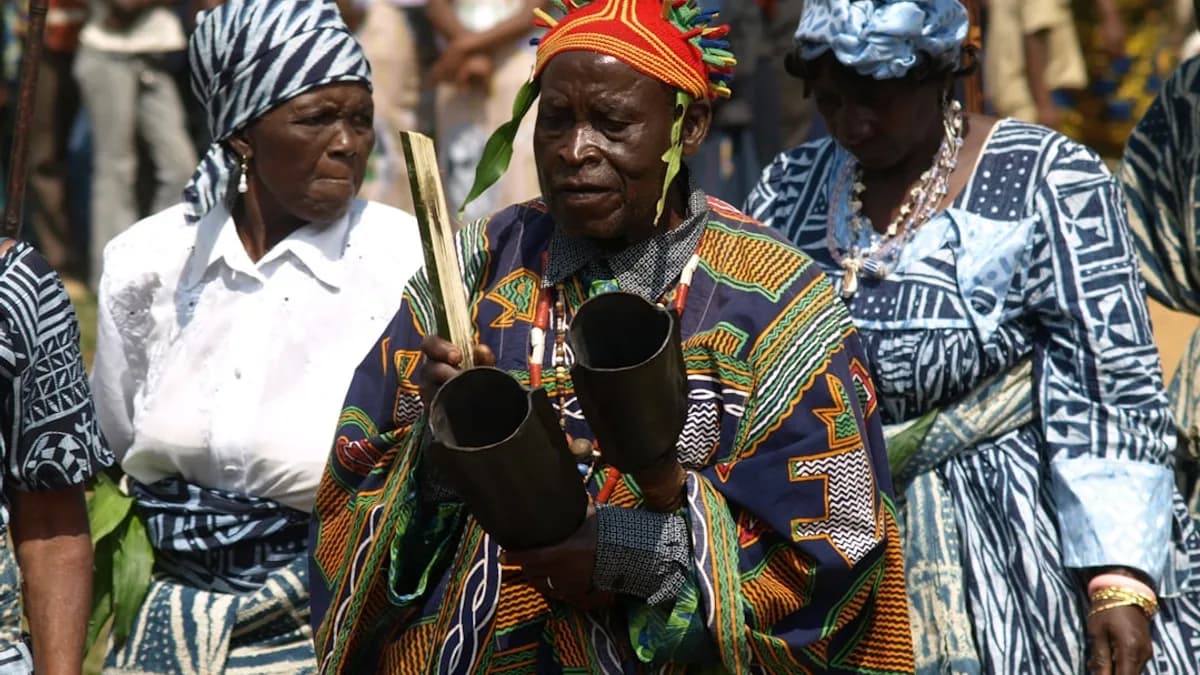
Introduction: The Significance of Pope Leo’s Visit to Cameroon
Pope Leo’s recent visit to Cameroon stands out as a powerful moment in the country’s history, drawing an estimated 120,000 people to a Mass marked by calls for moral renewal and peace [Source: Source]. Cameroon, a nation grappling with persistent social and political challenges—including endemic corruption and violent conflict—welcomed the Pope’s message with palpable enthusiasm. Amid mounting concerns about governance, economic hardship, and intercommunal strife, the Pope’s presence was both a spiritual balm and a rallying cry for change.
This article examines the significance of Pope Leo’s appeal to Cameroon’s youth: urging them to resist the temptation of corruption and reject violence. By situating these calls within the broader context of Cameroon’s realities, we explore how religious leadership can inspire a new generation to transform their society and chart a path toward integrity and peace.
The Pope’s Message Against Corruption: A Moral Imperative for Youth
Pope Leo’s address to the Cameroonian youth was unambiguous: resist the lure of corruption, which he described as “a cancer that eats away at the heart of society” [Source: Source]. Corruption in Cameroon is not just a political issue—it is a pervasive force that undermines trust in institutions, stunts economic development, and erodes the very fabric of civic life. From petty bribes to high-level embezzlement, the consequences are felt daily by ordinary citizens, particularly the young, who bear the brunt of unemployment and limited opportunities.
For many in Cameroon, corruption is seen as almost inevitable—a necessary evil for navigating bureaucracy or accessing basic services. The Pope’s call to youth, therefore, is radical in its simplicity: by refusing to participate in corrupt practices, young people can become the vanguard of moral renewal. They are uniquely positioned to challenge the status quo, driven by ideals rather than entrenched interests.
This message is especially urgent in a country where demography is destiny. With more than half the population under the age of 25, Cameroon’s youth are not just the future—they are the present. If this generation embraces integrity and transparency, they could redefine the nation’s trajectory. The Pope’s appeal is a reminder that moral leadership does not begin with politicians or officials, but with ordinary citizens, especially those at the start of their adult lives.
Rejecting Violence: The Call for Peace Amidst Cameroon’s Turmoil
Alongside corruption, violence remains a pressing concern in Cameroon. The Pope’s Mass was as much a plea for peace as a celebration of faith. The country continues to struggle with unrest, particularly in the Anglophone regions, where conflict between separatists and government forces has led to widespread displacement and loss of life. Violence—whether political, communal, or criminal—destroys families, undermines development, and perpetuates cycles of mistrust [Source: Source].
Religious leaders have long played a pivotal role in peacebuilding, offering moral guidance and fostering dialogue across divides. Pope Leo’s presence in Cameroon, and his explicit call to reject violence, underscores the potential for faith-based initiatives to heal wounds and promote reconciliation. His words carry weight not only because of his stature, but because they tap into the collective yearning for stability and unity.
The Mass, attended by 120,000 people, was itself a symbol of hope and solidarity. In a country fractured by conflict, such a gathering demonstrates the possibility of togetherness and shared purpose. It is a reminder that, even amid turmoil, Cameroonians can come together under the banner of peace. The Pope’s message resonates beyond the religious sphere—it calls all citizens to reject cycles of retribution and embrace the hard work of building a more harmonious society.
Catholicism’s Role in Africa: Bridging Divides and Promoting Social Justice
Catholicism is thriving across Africa, and Cameroon is no exception. The Church enjoys significant influence not only as a spiritual institution, but as a force for social justice. Pope Leo’s visit highlighted both the strength and challenges of African Catholic communities. While the faith is vibrant, it is also confronted by internal divides—between progressive and conservative factions, between urban and rural parishes, and between those advocating for change and those wary of upheaval [Source: Source].
The Church has historically played a role in education, health care, and advocacy for the marginalized. Its teachings on honesty, compassion, and justice align closely with the Pope’s message. By addressing issues like corruption and violence, the Church can act as a bridge between moral principle and practical action. Faith, in this context, is not just a personal journey—it is a collective endeavor to build a society rooted in respect, dignity, and fairness.
Yet, for the Church to truly impact issues such as corruption and violence, it must go beyond sermons and rituals. It must empower lay leaders, support civic education, and foster partnerships with other faiths and civil society. The Pope’s visit serves as a catalyst for renewed engagement, urging Catholics in Cameroon to be at the forefront of ethical leadership and social reform.
Learning from the North African Experience: Minority Status and Resilience
While Cameroon’s Christians form a majority, the Pope’s visit to Algeria and the remarks of a North African cardinal offer valuable lessons. In North Africa, Christians often experience life as a minority, learning resilience and coexistence in societies where their faith is not always welcomed [Source: Source]. The cardinal’s message—that Christians must “learn how to be a minority”—underscores the importance of patience, adaptability, and steadfastness.
Comparing Cameroon’s context to North Africa’s, it becomes clear that being a religious minority brings unique challenges: maintaining faith under pressure, navigating cultural sensitivities, and finding common ground with neighbors. Yet, it also fosters creativity and a deep sense of community. For Cameroonian Christians, the experience of their northern counterparts is instructive. It reminds them that faith, while powerful in numbers, is ultimately strengthened by adversity and commitment.
Resilience and coexistence are not just virtues for minorities—they are essential for all societies striving for peace. Cameroon can learn from the North African experience, embracing diversity and fostering mutual respect, even amid tensions and differences.
Conclusion: Embracing the Pope’s Call for a Better Future
Pope Leo’s visit to Cameroon, and his call for youth to resist corruption and reject violence, is a clarion call for moral renewal and civic engagement. In a country facing daunting challenges, the Pope’s words offer a blueprint for transformation: integrity, peace, and hope. By empowering young people to lead by example, Cameroon can break free from cycles of corruption and conflict.
The potential for positive change is immense. If inspired by faith and a shared sense of purpose, Cameroon’s youth can become architects of a better future. Religious and civic leaders alike must nurture this spirit, fostering unity and resilience in the face of adversity. Ultimately, lasting peace and integrity are possible—not just through doctrine, but through action, courage, and collective will. The Pope’s message is a timely reminder that every Cameroonian, regardless of faith, has a role to play in building a society worthy of its promise.