The End of an Era: Péter Magyar Sworn In After Toppling Viktor Orbán
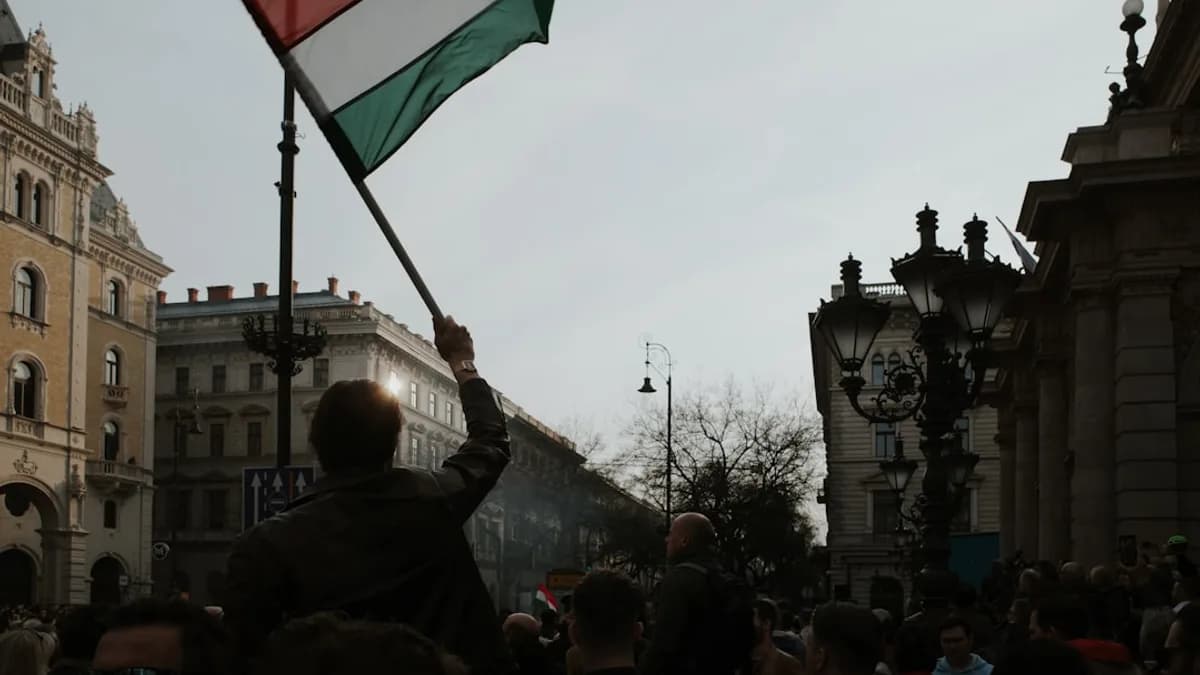
Hungary’s political order has been upended. Péter Magyar was officially sworn in as prime minister, almost a month after defeating Viktor Orbán—the man who defined Hungarian politics for years. That ceremony doesn’t just swap out a nameplate; it signals the official close of the Orbán era and the start of something undefined and potentially volatile for the country. This is not a routine succession. With Magyar’s inauguration, Hungary is now under new management for the first time in over a decade, according to Al Jazeera.
What We Know: Magyar’s Swearing-In and the Electoral Upset
The only hard facts available: Péter Magyar is now Hungary’s prime minister, and he won the office by defeating Viktor Orbán in an election nearly a month ago. The source does not detail the margin of victory, the nature of the campaign, or the makeup of the new government. What’s clear is that Orbán, a fixture in Hungarian politics for years, is out—dislodged at the ballot box by Magyar.
Why It Matters: Breaking the Orbán Stranglehold
Orbán’s defeat is more than a personal loss—it's the end of an era that has dominated Hungary’s institutions and international profile. Magyar’s ascent signals both a desire for change among Hungarian voters and the possibility of a political realignment. The symbolic power of this transition cannot be overstated: a new leader, and with him, the potential for a recalibration of Hungary’s trajectory in Europe and beyond.
For years, Orbán’s name has been synonymous with Hungary’s direction. Magyar’s victory and official swearing-in, therefore, represent not just a change of leadership, but a rare instance of leadership turnover in a country that has seen little of it at the top. The public, opposition parties, and international observers will read this as a mandate for something different—even if the specifics are still shrouded.
What Remains Unclear: Data, Stakeholder Reactions, and Policy Direction
The source provides no numbers—no vote counts, turnout percentages, or demographic breakdowns. The scale of Magyar’s win, the regions that swung the election, and the role of opposition coalitions all remain a black box. There’s no detail on how Hungary’s political factions, civil society, or the EU have reacted to this changing of the guard.
Equally obscure is Magyar’s policy agenda. The source offers no insight into his plans on rule of law, media, economic priorities, or foreign policy. The actual machinery of transition—who will fill key posts, how the outgoing administration is responding, and what legislative changes are imminent—is not addressed. This lack of detail leaves analysts and market watchers with speculation, not substance.
MLXIO Analysis: What to Watch as Hungary Reorients
Magyar’s formal arrival is the starting gun, not the finish line. The size of his mandate, his ability to consolidate political support, and the direction of his early reforms will determine whether this is a true break from the past or a change in tone only. Key signals to monitor: the composition of Magyar’s cabinet, his first legislative priorities, and any moves to engage or distance Hungary from the EU and regional partners.
If the new government acts quickly on institutional reforms or opens up the political space, it could mark a break from the Orbán era’s centralized style. On the other hand, if Magyar faces gridlock or internal dissent, Hungary could see a period of drift or even backlash from entrenched interests.
What To Watch Next
The next few weeks will reveal whether Magyar’s victory translates into lasting power or proves a short-lived anomaly. Watch for official statements from the EU, Hungary’s neighbors, and domestic opposition figures. Early policy announcements and coalition negotiations will send the clearest signals yet about whether Hungary is in for a real reset—or just a new face at the top.
Until more is known, every scenario is on the table. The only certainty is that Hungary, for the first time in years, is no longer under Viktor Orbán’s rule. That alone is a political earthquake.
Impact Analysis
- Hungary sees its first major leadership change in over a decade, ending Orbán's dominance.
- Magyar's rise reflects voter demand for political change and could reshape Hungary's policies.
- International observers are watching closely for shifts in Hungary's role within Europe.