Pentagon Unveils Official UFO Website Featuring Declassified Files
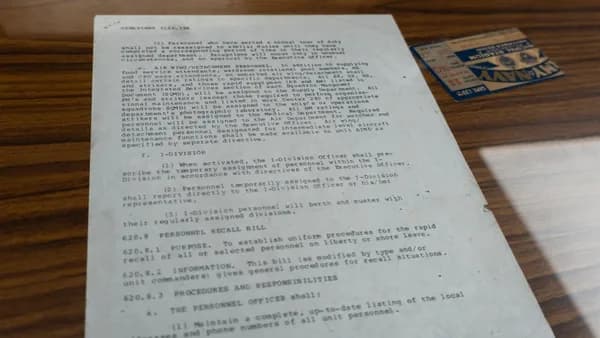
The Trump administration has launched a Pentagon website featuring declassified files on Unidentified Aerial Phenomena (UAP), marking a rare direct release of official government material tied to UFOs. This move, announced after years of mounting pressure for disclosure, puts previously classified information about aerial encounters in the public domain, according to Decrypt.
The site’s stated purpose is to centralize declassified UAP files for public access. While the Pentagon has faced years of speculation and skepticism about its handling of UFO reports, this is the first time a U.S. administration has created an official, centralized home for such files online.
What is actually available remains tightly defined: only declassified files, with no details given on the scope or timeline of further releases. The launch signals a shift in how the government communicates sensitive information, but stops short of a full data dump.
How Years of UAP Investigations Led to Increased Transparency
This website is the product of years of sustained congressional hearings, internal investigations, and a surge in public demand for transparency around UAPs. Lawmakers and advocacy groups have long argued that government secrecy on these incidents undermines public trust and fuels conspiracy theories.
While the source does not specify which hearings or reports shaped this outcome, it’s clear persistent calls for openness have forced an official response. The pressure has mounted alongside leaked videos and unofficial disclosures that have kept UAPs in the media spotlight and pushed the Pentagon to address the topic more directly.
The Pentagon’s posture on UAPs – once characterized by silence or denial – has shifted in response to this environment. Even so, the site’s existence does not necessarily guarantee the release of all relevant data, nor does it clarify what remains classified.
What the New UFO Website Means for Future UAP Research and Public Access
The launch of the Pentagon’s UAP site opens a new, if limited, channel for researchers, journalists, and the public to examine government-vetted information. The move could encourage more scrutiny of official files and spark renewed debate over what’s still hidden.
But the details remain thin. The source does not specify the number or nature of files released, nor does it clarify whether the site will see regular updates or one-off disclosures. Without a clear roadmap for future releases, it’s unknown whether the site represents a permanent change in transparency or a symbolic gesture.
Analysis: The website’s existence signals that government agencies are at least willing to acknowledge public interest and congressional pressure. Yet, with only declassified files and no commitment to ongoing updates, the scope of transparency is uncertain.
What Remains Unclear and What to Watch
Critical questions remain: What criteria does the Pentagon use to declassify UAP files? How much material remains out of public reach? And will this site prompt further releases, or is it a one-time response to recent pressure?
Watch for: Any official statements about future updates, reactions from lawmakers pressing for greater disclosure, and shifts in the Pentagon’s willingness to release details about ongoing or past investigations. The next move—whether it’s more files, more hearings, or silence—will reveal whether this initiative marks a genuine change or just window dressing.
For now, the Pentagon’s UAP website is a cautious step toward transparency, but the full story of what the government knows about UAPs remains out of reach.
Impact Analysis
- This marks the first time the U.S. government has centralized declassified UFO files for public access.
- Increased transparency may help address public skepticism and reduce conspiracy theories about UAPs.
- The website signals a shift in government communication regarding sensitive topics like UFOs.