Why the Pentagon’s New UFO Files Matter to Public Awareness and National Security
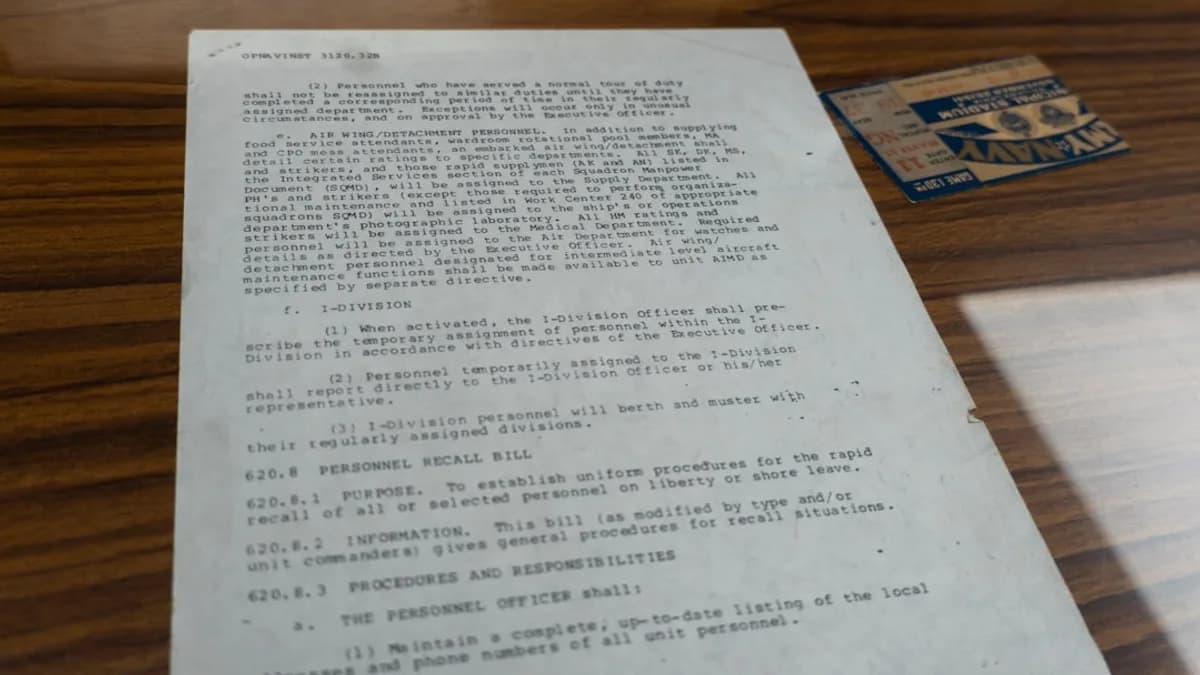
The Defense Department has pulled back the curtain on a new batch of declassified documents about government UFO sightings. This isn’t just a curiosity for UFO enthusiasts—it’s a direct window into how the United States military confronts the unknown in its own airspace. American taxpayers and policymakers are now staring at evidence the Pentagon once kept out of public view, raising stakes for government transparency and national security. When the military admits it’s seen things it can’t explain, that’s not just a headline; it’s a signal that the conversation has shifted from fringe speculation to official record. Public awareness moves from hearsay and grainy YouTube videos to direct government-documented phenomena, forcing both the public and lawmakers to grapple with the implications.
Transparency at this level can recalibrate how citizens trust their military institutions, especially around matters that—until now—have been treated as classified. At the same time, unexplained aerial sightings carry obvious security implications: if advanced technology is operating undetected in restricted airspace, the national defense apparatus has to respond, whether the source is adversarial, benign, or unknown. This release, according to Wired, sets the stage for a new phase in the public and official conversation about unidentified aerial phenomena.
What Do the Newly Declassified UFO Documents Reveal About Government Sightings?
The specifics of the Pentagon’s new cache remain largely under wraps—Wired’s reporting does not detail the contents beyond confirming the documents relate to government UFO sightings. What is clear: these files, previously classified, are now accessible to the public, suggesting they contain records of official military encounters with unidentified objects.
Analysis based on the source: Without access to the actual documents or Wired’s deeper reporting, we’re left in the dark on the particulars—dates, locations, descriptions, or the nature of the phenomena. There’s no indication yet of whether these sightings are clustered around military installations, involve advanced flight characteristics, or repeat familiar patterns from past declassifications. The only certainty is that these are official records, not civilian anecdotes. The Pentagon’s decision to release them suggests a deliberate effort to share what the government knows—and, just as crucially, what it does not know—about objects in the sky that defy current identification.
How Has the Pentagon Historically Handled UFO Investigations and Why This Release Is Different
Historically, the Pentagon kept a tight lid on most UFO-related material, with only occasional public reports or heavily redacted case files seeing daylight. Past government investigations remained behind layers of classification, fueling both skepticism and conspiracy theories.
This new release marks a departure: the Pentagon is putting out a “trove” of documents in one move, not just piecemeal acknowledgments or forced FOIA responses. The act of declassifying and distributing these files signals a shift toward more systematic transparency, at least on this narrow front. The Department of Defense—and, by extension, the intelligence community—controls the narrative now, rather than leaving it to leaks or outside pressure. The intent appears to be a controlled opening of the archive: the government is choosing what to show, when, and how, rather than having its hand forced.
What Technologies and Methods Are Used to Document and Analyze UFO Sightings?
The Wired report does not detail technical specifics, so any breakdown here is necessarily limited. What’s clear from the context: these are government documents, which means the sightings in question were likely recorded by military personnel using official protocols. The fact that the Pentagon is declassifying these files suggests that at least some records were deemed sensitive until now—possibly because of the ways these phenomena were detected and tracked.
Analysis: The government’s process for declassifying such material typically involves reviews by both military and intelligence agencies, especially when national security concerns intersect with public disclosure. Challenges abound: distinguishing between natural phenomena, adversarial technology, or simple sensor anomalies is rarely straightforward. The only certainty, based on the source, is that whatever these documents contain, they are the product of government observation and have been judged safe for public release.
What Can We Learn from a Recent Case Study of a Declassified UFO Encounter?
The current Wired report does not provide a concrete case study from the new files. Without access to the documents themselves, it’s impossible to highlight a specific incident, date, or outcome. This is the central limitation of the current disclosure: the Pentagon has opened the vault, but the contents remain mostly unexplored in the public domain.
Analysis: Until journalists or researchers dig into the specifics, the new release is more about the act of disclosure than about any single, headline-making event. The entire batch of files becomes a case study in government openness—showing that the Pentagon is now willing to make its own records part of the public record, even when answers are incomplete.
How Could These Declassified UFO Files Influence Future Research and Public Policy?
The Pentagon’s latest declassification move could reshape both scientific inquiry and the public’s demand for transparency. If history is any guide, researchers and analysts will comb through these records for patterns, anomalies, or missed signals. Lawmakers and the public may push for further releases, especially if the documents raise more questions than answers.
The mere existence of these files—now public—forces officials to address the unknown with evidence, not just speculation. It also highlights the need for international cooperation: if unexplained aerial phenomena are real and recurring, no single nation has a monopoly on answers. For now, the world watches to see if the Pentagon’s new openness marks a one-off disclosure or the start of a sustained, systematic release.
What Remains Unclear and What to Watch Next
Critical details are missing: the contents of the files, standout incidents, and whether any game-changing revelations lie within. The Pentagon’s motives—whether this is a one-time transparency gesture or the opening shot in a new era of openness—are also unconfirmed.
What to watch: Expect journalists and independent analysts to dissect the new files as soon as they’re fully accessible. The real test will be whether this release prompts new investigations, changes in policy, or simply more questions. For now, the public knows only that the government is ready to talk—just not about the specifics, yet.
Impact Analysis
- Government transparency on UFO sightings prompts new scrutiny of military operations and policy.
- The release raises national security questions about unidentified technology in U.S. airspace.
- Public access to declassified files shifts the UFO conversation from speculation to official record.