Overview of the Teotihuacán Pyramid Shooting Incident
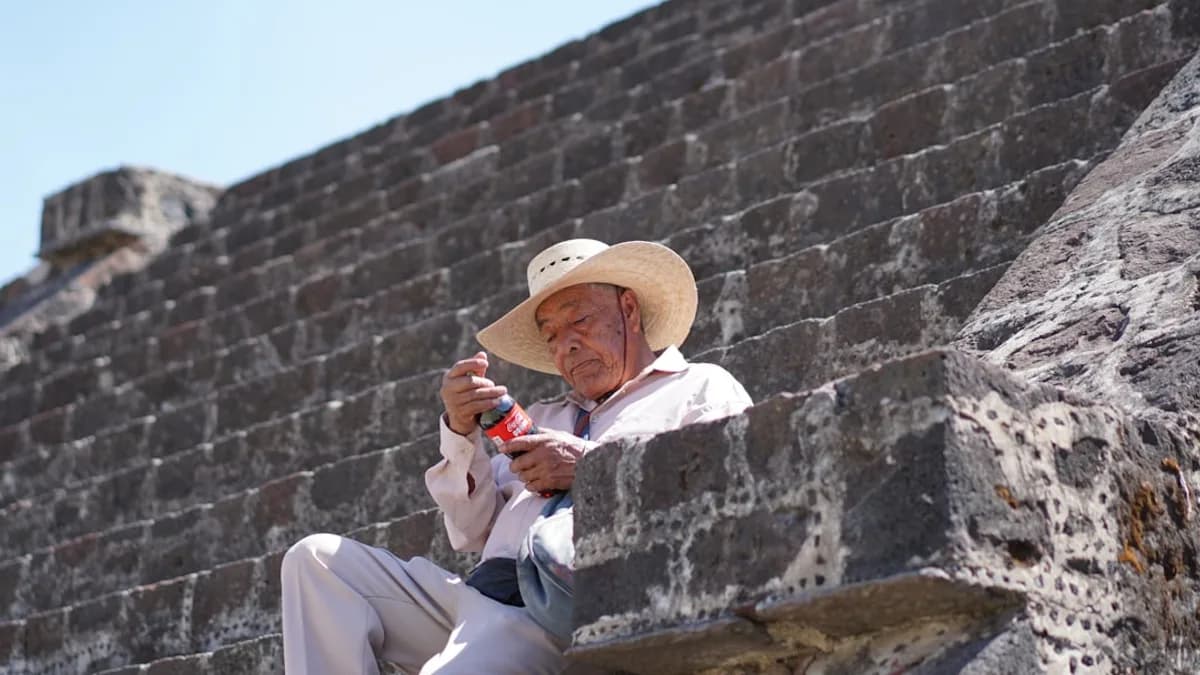
A gunman opened fire at the Teotihuacán pyramids in Mexico, injuring at least six American tourists and killing one person. The attack happened on June 9, 2024, at one of the country’s most famous ancient sites, about 25 miles northeast of Mexico City. Local police quickly responded, rushing victims to nearby hospitals and securing the area. The shooter was later identified as Julio Cesar Jasso, a Mexican national. Authorities say Jasso acted alone, targeting tourists who were visiting the historic site. The pyramids, usually packed with visitors, turned into a scene of panic as shots rang out. Emergency services worked fast to help the wounded and move people to safety. Police arrested Jasso at the scene, and the investigation is ongoing. The incident shocked both locals and tourists, raising big questions about security at Mexico’s top attractions [Source: Google News].
Details on the American Tourists Injured in the Attack
Among those hurt, six were American tourists. Officials say their injuries range from minor cuts to more serious wounds. Most are now stable, with some already released from the hospital. The Americans were part of several tour groups, caught in the gunfire as they explored the ancient pyramids. U.S. consular staff arrived at the hospitals, offering help and working with Mexican authorities. The U.S. Embassy in Mexico City urged Americans in the area to stay alert and follow local advice. Travel advisories for Mexico remain in effect, but this attack could lead to stricter warnings, especially for popular sites like Teotihuacán. Many Americans visit Mexico for its history and culture, so news of the shooting has made some travelers rethink their plans. Past incidents have shown that attacks on tourists can quickly change travel patterns and official warnings [Source: Google News].
Background and Motive: Influence of U.S. Violent Acts on the Gunman
Officials say Julio Cesar Jasso was influenced by violent acts in the United States. He reportedly studied several mass shootings and copied some tactics. Jasso’s social media posts showed links to news about gun violence in the U.S., and he followed forums that discuss these attacks. Police found evidence that he watched videos and read stories about American shootings in places like Las Vegas and El Paso. Jasso’s background is still being checked, but so far, he had no criminal record or ties to organized crime. Experts warn that global news and online content can sometimes inspire copycat crimes. The spread of violent stories, especially from the U.S., has made it easier for troubled people to learn about and plan attacks. This case highlights the real risk of cross-border influence—where violence in one country can shape actions in another. Mexico has seen a rise in gun-related incidents, but attacks on tourists remain rare. Still, the Teotihuacán shooting is a reminder of how quickly ideas and tactics can cross borders, spreading fear and changing safety standards at even the most peaceful sites [Source: Google News].
Eyewitness Accounts and Tourist Reactions from the Shooting Scene
Tourists at Teotihuacán described the shooting as terrifying and chaotic. Many were walking between the Pyramid of the Sun and the Pyramid of the Moon when gunfire broke out. People ran for cover behind ancient stones, while others ducked into nearby shops and ticket booths. Witnesses said families screamed and dropped belongings as they tried to escape. Tour guides shouted instructions, helping visitors find safe exits. One American tourist told reporters, “We just wanted to see the pyramids, but suddenly we were running for our lives.” Staff at the site quickly locked gates and called for help. After the shooting, many survivors were shaken, some crying and hugging each other. The emotional impact was strong, with some saying they may never return to Mexico. Incidents like this can leave deep scars, changing how people feel about travel far beyond the immediate victims [Source: Google News].
Security Measures and Tourist Safety at Mexican Heritage Sites Post-Incident
Teotihuacán and other big tourist sites in Mexico already use guards, cameras, and bag checks to protect visitors. After the shooting, officials promised to add more police and improve security. The government said it will review safety rules at all heritage sites, including famous spots like Chichen Itza and Palenque. Tourism leaders want travelers to feel safe, so there may be new patrols and emergency drills. Mexico’s tourism ministry is planning to work with local towns to train staff on how to handle violence. There’s talk of setting up more checkpoints and using metal detectors at entrances. For tourists, experts say stay aware, travel in groups, and follow official advice. Some travel companies now offer guides who know emergency procedures. While the pyramids are usually peaceful, this attack shows the need for everyone to stay alert and for Mexico to keep improving safety [Source: Google News].
Broader Implications: Cross-Border Violence and Tourism Industry Impact
Shootings like this hurt Mexico’s tourism industry and its image abroad. The country relies on millions of visitors every year, especially from the U.S., Canada, and Europe. When tourists are attacked, bookings often drop and local businesses suffer. Travel agencies may cancel trips or change plans, leading to losses in hotels, restaurants, and shops. Mexico’s government must balance safety with keeping its sites open to the world. There’s growing concern that violence in the U.S.—often covered in global news—can inspire attacks elsewhere. This could affect other countries too, as criminals copy tactics from abroad. Diplomats from Mexico and the U.S. have already started talks on how to fight cross-border violence. Some experts think stronger cooperation could help, like sharing data and running joint security programs. For now, the tourism industry faces tough questions about how to protect visitors and rebuild trust. Past events show recovery is possible, but it takes clear action and honest communication to win travelers back [Source: Google News].
Conclusion: Reflecting on the Teotihuacán Shooting and Future Precautions
The Teotihuacán shooting is a stark reminder of how violence can spread across borders and target innocent people. Authorities are still investigating, but early signs show the gunman was influenced by U.S. attacks and acted alone. The incident has pushed Mexico to boost security at its most famous sites and made travelers rethink their plans. Addressing the spread of violent ideas is key, and both countries need to work together to keep tourists safe. For visitors, staying alert and following local advice is more important than ever. As Mexico rebuilds trust, the world is watching to see what steps are taken to prevent another tragedy. Safety and cooperation will shape the future of travel to places like Teotihuacán.
Why It Matters
- The shooting at Teotihuacán raises urgent concerns about tourist safety at Mexico's most popular attractions.
- Six Americans injured highlight the international impact and potential for changes in U.S. travel advisories to Mexico.
- The incident may affect tourism flows and local economies that depend on visitors to historic sites.