Introduction: Escalating Tensions and Diplomatic Moves in the US-Iran Conflict
The ongoing conflict between the United States and Iran has reached a critical juncture, with recent developments signaling both heightened risks and emerging opportunities for diplomacy. As the US implements a stringent blockade of Iranian ports—a move that has immediate implications for regional trade and global oil supply—Pakistan has stepped forward, proposing renewed talks between Washington and Tehran in an effort to ease mounting tensions. This diplomatic overture comes amid urgent calls for dialogue, as world leaders and international organizations express concern over the potential for escalation. The situation is rapidly evolving, with global reactions underscoring the urgency of finding a path toward de-escalation and stability [Source: Source].
US-Iran Relations: Recent Developments and Diplomatic Signals
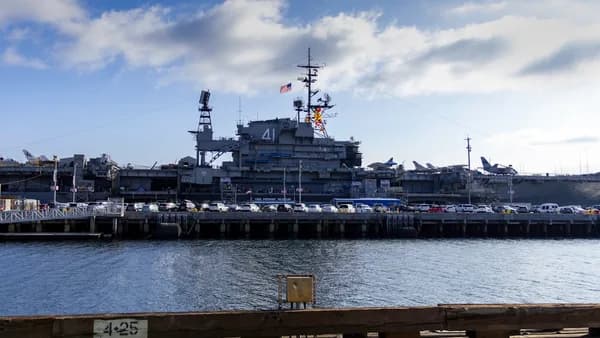
The US blockade of Iranian ports, now entering its second day, marks a significant escalation in the ongoing confrontation. The blockade is designed to cripple Iran’s oil exports and restrict its access to international markets, with US naval forces enforcing the closure of key shipping routes in the Persian Gulf [Source: Source]. According to US officials, the strategic objectives are twofold: to pressure Tehran into curbing its regional military activities and to leverage economic hardship as a catalyst for renewed negotiations.
Amid these tensions, signals of potential progress have emerged from Washington. Senator Vance and former President Donald Trump have both alluded to “constructive movement” in diplomatic channels, though specifics remain scarce. Trump, in particular, hinted at behind-the-scenes efforts to “bring both sides to the table,” reflecting a growing consensus among US policymakers that sustained conflict would carry significant risks for American interests and global stability [Source: Source].
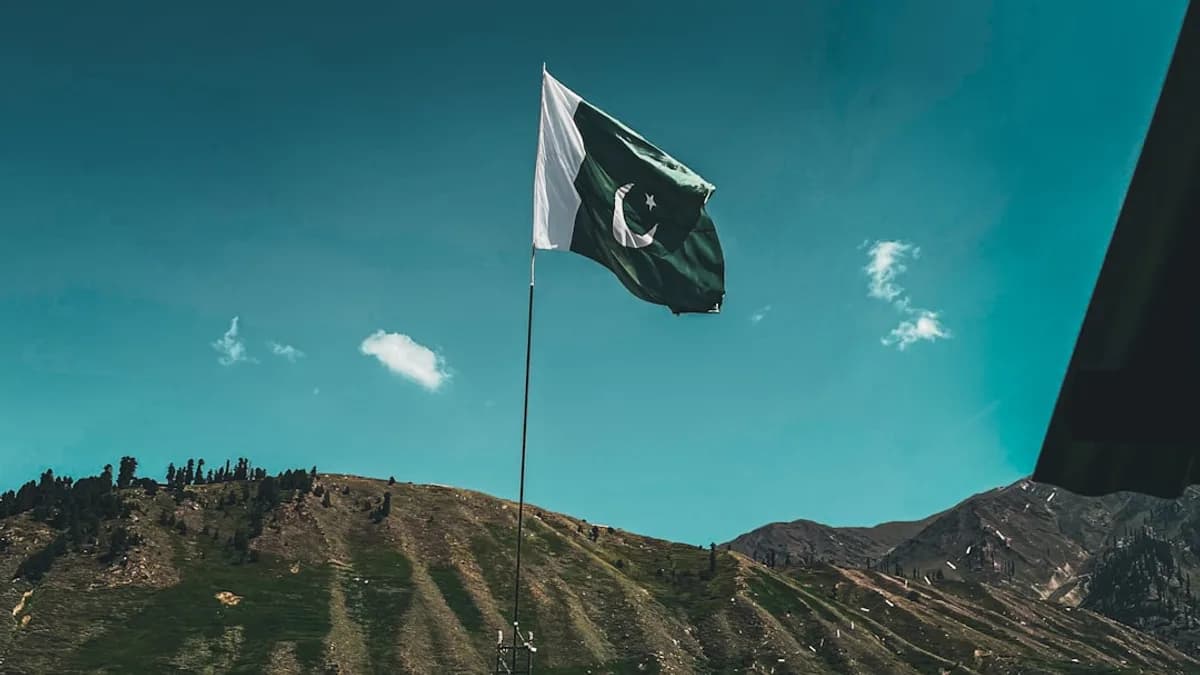
Pakistan’s initiative to propose new US-Iran talks has been met with cautious optimism. Islamabad’s rationale is clear: as a regional actor with historic ties to both countries, Pakistan is uniquely positioned to facilitate dialogue. Officials in Islamabad emphasized the need for “urgent diplomatic engagement” to prevent a further escalation that could destabilize the broader Middle East [Source: Source]. The proposal has gained attention from international mediators, with several European governments expressing support for renewed talks.
These developments are shaping the broader geopolitical landscape. The blockade’s enforcement has prompted swift reactions from Iran, which has vowed to resist economic pressure and maintain its export capabilities. At the same time, the prospect of diplomatic engagement signals a possible shift from confrontation toward negotiation. As other regional powers monitor the situation, the balance between military action and diplomacy will likely determine the trajectory of US-Iran relations in the coming weeks [Source: Source].
Economic Impact: Oil Prices and Market Reactions Amid Conflict
The US blockade of Iranian ports has had an immediate effect on global oil supply, causing volatility in international markets. With Iranian oil exports effectively halted, traders initially feared a surge in prices and supply disruptions. However, as news of Pakistan’s proposal for renewed US-Iran talks broke, oil prices eased, reflecting market optimism that dialogue could defuse the crisis and restore stability [Source: Source].
In the short term, the blockade has raised concerns about energy security across the Middle East and beyond. Analysts warn that extended disruption could lead to shortages, price spikes, and increased pressure on oil-importing economies. Yet the market’s response to diplomatic overtures highlights the importance of political developments in shaping economic outcomes. Hopes for successful negotiations have tempered fears, with spot prices for crude oil dropping from their initial highs.
China, as one of the world’s largest energy consumers, has played a pivotal role in stabilizing the market. Beijing has called for restraint and urged both Washington and Tehran to seek a diplomatic resolution. Chinese officials have signaled their willingness to mediate and, if necessary, adjust strategic oil reserves to prevent excessive price volatility [Source: Source]. The interplay between US actions, Iranian responses, and international mediation will continue to influence oil market dynamics and broader economic trends.
International Perspectives: Global Reactions and Regional Stability
Global reactions to the US-Iran conflict have been swift and varied, with world leaders and international organizations weighing in on the risks and potential consequences. Chinese President Xi Jinping issued a stark warning, stating that the Iran conflict has left the world “beset by disarray,” and urged major powers to act responsibly to avoid a wider crisis [Source: Source]. Xi’s comments reflect growing concerns among Asian and European nations about the destabilizing effects of the blockade and the risk of broader regional conflict.
Other international actors have echoed calls for restraint and dialogue. The European Union, along with several Middle Eastern governments, has emphasized the importance of maintaining open channels between Washington and Tehran. The EU’s foreign policy chief reiterated support for Pakistan’s diplomatic initiative, underscoring the need for multilateral engagement to resolve the crisis [Source: Source].
Regional stability remains a primary concern, as the blockade threatens to disrupt not only Iran’s economy but also trade flows throughout the Gulf. Neighboring countries, including Saudi Arabia and the United Arab Emirates, are closely monitoring developments and preparing contingency plans to manage potential spillover effects. The risk of escalation has prompted increased security measures and diplomatic outreach.
International organizations and think tanks have highlighted the complexities of the conflict. The Institute for the Study of War’s special report on April 13, 2026, provides detailed analysis of military deployments, diplomatic efforts, and the broader implications for Middle East security [Source: Source]. The report emphasizes the critical role of external mediators in preventing a slide into protracted conflict, and points to the importance of sustained international monitoring.
Conclusion: Prospects for Peace and the Path Forward
As the US-Iran conflict unfolds, diplomatic efforts are gaining momentum, with Pakistan’s proposal for renewed talks serving as a focal point for international engagement. While significant challenges remain—including the enforcement of the blockade and Iranian resistance—the signals of potential progress from US officials offer hope for de-escalation. The interplay between economic pressures, geopolitical interests, and diplomatic outreach will shape the next phase of the crisis.
Continued international involvement is essential for monitoring developments and supporting peace initiatives. The prospect of successful negotiations hinges on the willingness of both parties to compromise and the effectiveness of mediators in facilitating dialogue. As global leaders weigh risks and opportunities, the outcome of current efforts could have lasting impacts on regional stability and international relations in the months ahead [Source: Source].