Introduction: Current Status of Iran-US Peace Talks and Pakistan’s Role
Diplomacy in the Middle East rarely unfolds in straight lines, and the current standoff between Iran and the United States is no exception. Yet, amid escalating tensions, a senior Pakistani government source has stated that Pakistan is confident Iran will attend upcoming US-led peace talks, even as Tehran publicly rejects negotiations “under threat” [Source: Source]. This assertion comes at a delicate moment: the end of a fragile ceasefire is looming, and recent US actions—such as the seizure of an Iranian cargo ship and the continued blockade—have further strained relations. Against this backdrop, Pakistan’s role as both a neighbor to Iran and a long-standing US partner has taken on new urgency. The stakes are high: the outcome of these talks could reshape not just Iran-US relations, but the security calculus for the entire region.
Background: History of Iran-US Relations and Previous Peace Negotiations
The relationship between Iran and the United States has oscillated between cautious engagement and outright hostility for over four decades. After the 1979 Iranian Revolution ousted the US-backed Shah and installed the Islamic Republic, diplomatic ties were severed. The subsequent US embassy hostage crisis entrenched mutual suspicion, setting the tone for decades of sanctions, covert operations, and proxy conflicts across the Middle East.
Attempts at reconciliation have been rare and fraught. The most notable thaw came with the 2015 Joint Comprehensive Plan of Action (JCPOA), under which Iran agreed to limit its nuclear program in exchange for sanctions relief. Despite initial optimism, the US withdrawal from the JCPOA in 2018 under President Trump reignited tensions, prompting Iran to roll back its own commitments and resume enrichment activities.
Ceasefire agreements and peace talks since then have been short-lived. Key sticking points include Iran’s regional influence (particularly through groups like Hezbollah and the Houthis), its missile program, and the scope of sanctions relief. Each round of negotiations has been complicated by mutual distrust, domestic political pressures, and the involvement of regional players with their own agendas. The current round of talks is thus not just a bilateral issue—it is a multi-layered diplomatic puzzle, with previous failures weighing heavily on all sides.
Pakistan’s Diplomatic Position and Influence in Iran-US Dialogue
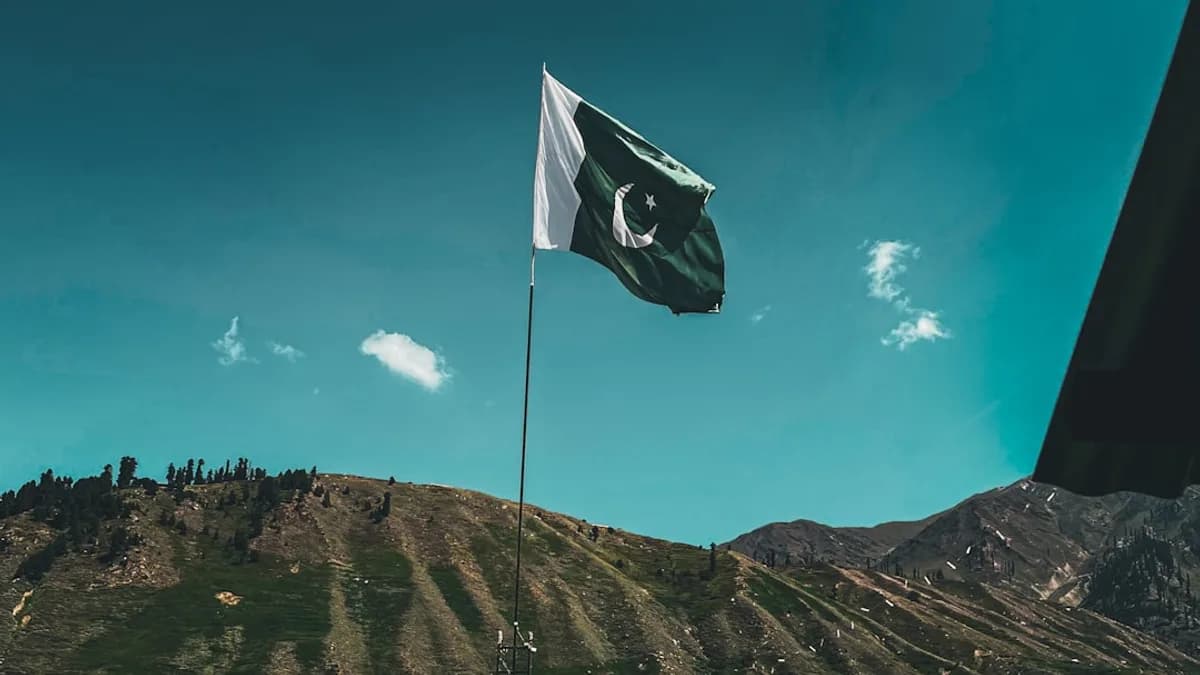
Pakistan occupies a unique position in this diplomatic landscape. As Iran’s immediate neighbor and a traditional US ally—albeit one whose relationship with Washington has frayed in recent years—Pakistan has both the motivation and the means to act as a mediator. Its geopolitical interests are clear: stability along its western border with Iran is crucial for Pakistan’s own security, economic development, and energy needs.
Over the past year, Islamabad has made overtures to both Tehran and Washington, offering to facilitate dialogue and reduce tensions. A senior Pakistani government source recently expressed optimism that Iran would participate in the upcoming US talks, reflecting both diplomatic outreach and a desire to avoid escalation near its borders [Source: Source]. Pakistan’s involvement is not without precedent; it has previously mediated between the US and Taliban in Afghanistan, and between Saudi Arabia and Iran in backchannel talks. The country’s leverage stems from its ability to engage both sides while maintaining enough distance to be seen as an honest broker—a rare commodity in the current Middle East chessboard.
Current Obstacles: Tehran’s Rejection of Talks Under Threat and US Actions
Yet optimism is tempered by significant obstacles. Iran has categorically rejected the prospect of talks perceived as taking place “under threat” or coercion. Iranian officials argue that diplomatic engagement cannot proceed while the US maintains punitive measures, such as economic blockades and asset seizures. The recent US seizure of an Iranian cargo ship has further soured the atmosphere, with Tehran decrying the move as a violation of international norms [Source: Source].
From the US perspective, maintaining maximum pressure is seen as a way to force meaningful concessions from Iran—not just on its nuclear program, but also its regional activities. The continuation of the blockade and the public insistence by former US President Trump that the blockade “stays” are meant to keep leverage at the negotiating table [Source: Source]. However, these tactics risk backfiring by hardening Iranian resistance and fueling nationalist sentiment, making it politically costly for Tehran to appear conciliatory.
This dynamic has derailed previous negotiations. Historically, Iran has responded to perceived threats by doubling down on its positions, while the US often interprets Iranian intransigence as justification for further pressure—a cycle that perpetuates mistrust. The current climate, with public statements from Tehran rejecting new talks and the US taking assertive actions at sea, mirrors previous breakdowns in dialogue. For any talks to succeed, both sides will need to find a way to de-escalate without appearing to capitulate—a challenge compounded by domestic politics and regional rivalries.
Implications of Iran’s Potential Participation in US Talks
If Iran ultimately agrees to participate in US-led talks, the implications would ripple far beyond the immediate crisis. On a regional level, even the prospect of dialogue could ease tensions among Gulf states, many of whom are watching warily for signs of either escalation or breakthrough. A successful round of talks could also set a precedent for addressing other intractable issues, such as the ongoing conflicts in Yemen and Syria—both arenas where Iran’s influence is significant.
Globally, Iran’s participation could open the door for a gradual easing of sanctions and the re-entry of Iranian oil into world markets, with significant repercussions for energy prices and global supply chains. It could also provide a much-needed boost to diplomatic efforts at a time when multilateral institutions have struggled to address Middle East security challenges.
However, the risks are equally significant. A failed round of talks, especially if it follows public optimism, could trigger renewed hostilities and undermine future diplomatic efforts. The approaching ceasefire deadline adds further urgency: without meaningful progress, the region could slip back into open conflict, with devastating humanitarian and economic consequences.
Conclusion: Outlook for Iran-US Peace Talks and Pakistan’s Continuing Role
The coming weeks will be pivotal for Iran-US relations and the broader stability of the Middle East. While Pakistan’s confidence in Iran’s participation provides a glimmer of hope, the obstacles—mutual distrust, public posturing, and ongoing punitive measures—remain formidable [Source: Source]. Pakistan’s role as a mediator may prove vital, offering both sides a face-saving pathway to the negotiating table.
Ultimately, the importance of sustained diplomatic engagement cannot be overstated. The stakes are not limited to Iran and the US alone; the security architecture of the entire region hangs in the balance. For policymakers and stakeholders, the lesson is clear: building trust and reducing threats—however incremental—is the only viable path to durable peace. Whether the upcoming talks mark a turning point or another missed opportunity depends on the willingness of all parties to move beyond old patterns and embrace genuine dialogue.