Introduction to Japan’s Historic Shift in Arms Export Policy
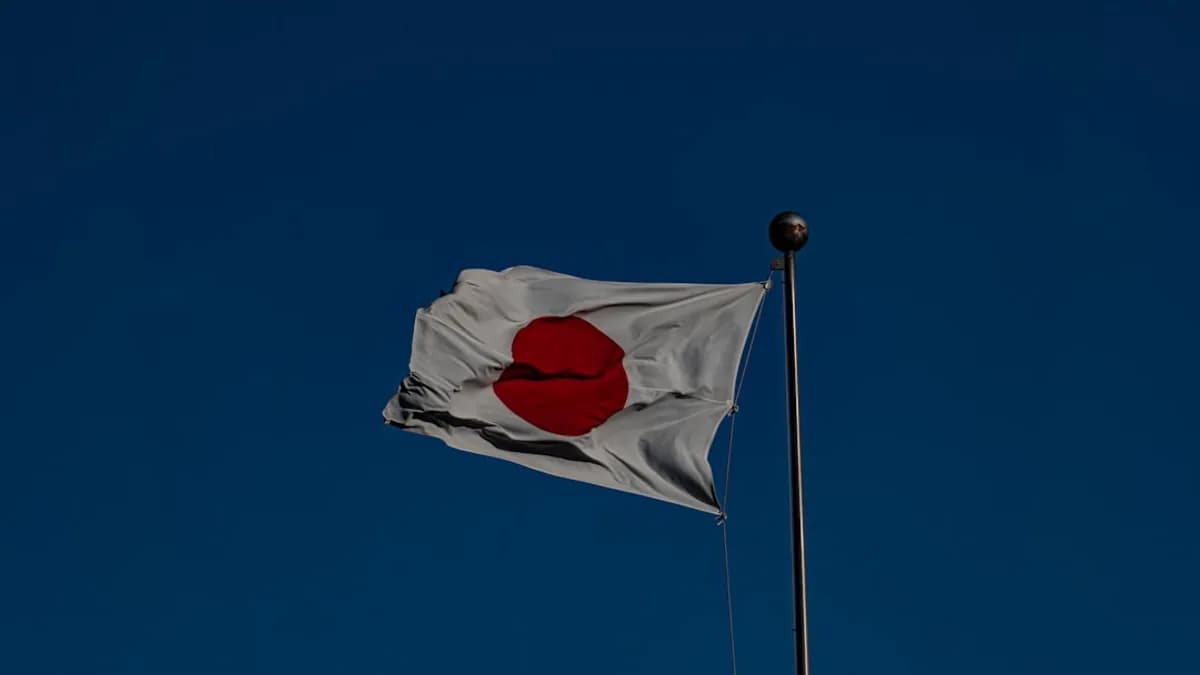
For decades, Japan’s pacifist constitution has served as a bulwark against the country’s participation in the global arms trade, shaping a national identity rooted in the aftermath of World War II. But a seismic shift is underway. In a move that marks the most significant change to its arms export rules in nearly 80 years, the Japanese government has relaxed its longstanding ban on exporting lethal weapons. This policy overhaul, approved by Prime Minister Fumio Kishida’s cabinet, opens the door for Japanese defense manufacturers to compete in the global arms market—a prospect that has stirred both hope and anxiety at home and abroad. Domestic protests have erupted, while international observers are weighing the ramifications for regional security and the global balance of military power [Source: Source].
Details of Japan’s New Arms Export Regulations and What They Entail
The new regulations dismantle key elements of the postwar arms export framework. Previously, Japan’s so-called "Three Principles on Arms Exports" effectively prohibited the sale of weapons and related technology to almost any country, especially those involved in conflicts. Exceptions were rare and tightly controlled, reflecting a deep-seated commitment to pacifism enshrined in Article 9 of the constitution.
The recent changes, however, lift the ban on exporting lethal weapons to countries that meet certain criteria—specifically, those with which Japan shares security agreements or strategic partnerships. This means Japanese companies can now export arms such as missiles, fighter jets, and other military hardware, as well as advanced defense technologies like radar systems and cyber defense tools. Notably, the new rules allow for the export of jointly-developed weapons systems, including those created in collaboration with U.S. and European partners.
To mitigate concerns about unchecked proliferation, Japan’s government has pledged to retain strict oversight mechanisms. All exports will require case-by-case government approval, and sales to countries engaged in active conflict or with poor human rights records will remain prohibited. The Ministry of Defense and Ministry of Foreign Affairs will jointly review export applications, aiming to balance national security interests with ethical concerns.
This shift stands in stark contrast to Japan’s previous approach. Even after a partial easing in 2014 that allowed non-lethal defense exports, Japanese arms sales remained negligible compared to major exporters such as the U.S., Russia, and France. With this overhaul, Japan is poised to become a more significant player, leveraging its world-class engineering and manufacturing capabilities to compete in a $600 billion global market [Source: Source].
Domestic Response: Public Opinion and Political Debate in Japan
The policy reversal has ignited intense debate within Japan. Large protests have erupted in major cities, with demonstrators warning that exporting weapons undermines the country’s pacifist principles and risks entangling Japan in foreign conflicts [Source: Source]. Many Japanese citizens—especially older generations shaped by memories of World War II—view the export of lethal arms as a betrayal of the nation’s hard-won commitment to peace.
Politically, the decision has exposed sharp divisions. Prime Minister Kishida and members of the ruling Liberal Democratic Party argue that the policy is essential for Japan’s security and economic competitiveness, especially as regional threats from China and North Korea intensify. Opposition parties, including the Constitutional Democratic Party and the Japanese Communist Party, have condemned the move as reckless and unconstitutional, accusing the government of eroding Japan’s unique identity as a pacifist nation.
For Japan’s defense industry, however, the reforms promise new economic opportunities. Companies like Mitsubishi Heavy Industries and Kawasaki Heavy Industries could now access lucrative foreign markets, potentially revitalizing an industry that has long been constrained by domestic demand and stringent legal restrictions.
International Implications: Japan’s Entry into the Global Arms Market
Japan’s pivot is already sending ripples through the international security landscape. By opening its defense sector to exports, Japan instantly becomes a sought-after partner for countries seeking advanced technology and reliable supply chains. Southeast Asian nations, facing their own security challenges in the South China Sea, could become key customers. European and U.S. defense firms, many of which already collaborate with Japanese manufacturers, stand to deepen their partnerships through joint development and production.
Crucially, the move aligns Japan more closely with the United States’ broader Indo-Pacific strategy, which seeks to counterbalance China’s growing military influence. Washington has welcomed Japan’s decision, viewing it as a sign of Tokyo’s willingness to shoulder more responsibility for regional security [Source: Source].
However, not all reactions have been positive. China and South Korea have voiced concerns, warning that Japan’s re-entry into the arms market could fuel an arms race in East Asia. Beijing, in particular, has cited historical grievances and cautioned against any moves that could destabilize the region. Meanwhile, the policy shift could complicate Japan’s diplomatic relations with countries that remain wary of its wartime legacy.
Despite these concerns, Japan’s rigorous export controls and stated commitment to responsible arms sales provide some reassurance to the international community. Nonetheless, the long-term impact on regional security dynamics remains uncertain.
Expert Analysis: Strategic and Economic Consequences of Japan’s Export Policy Overhaul
Defense analysts argue that Japan’s policy change is both a strategic calculation and an economic necessity. On the strategic front, it signals an end to postwar constraints that many in government and defense circles have long viewed as outdated in the face of evolving security threats. By integrating more deeply into global defense supply chains, Japan enhances its deterrence capabilities—not just through direct arms sales, but by strengthening alliances and interoperability with key partners.
Economically, the reforms could inject new life into Japan’s defense sector, which has struggled with stagnant domestic demand. The global arms market is fiercely competitive, but Japanese firms are known for their reliability and technological innovation—especially in fields like naval engineering, missile guidance systems, and advanced electronics. A successful export push could create thousands of high-skilled jobs and drive research and development, benefiting adjacent sectors such as aerospace and robotics.
Yet, challenges abound. Japan must carefully balance its export ambitions with its reputation as a responsible global actor. The risk of Japanese-made arms being used in conflicts or by regimes with poor human rights records is a persistent concern. The government’s promise of strict oversight will be tested as it navigates complex ethical and diplomatic terrain.
This shift also mirrors broader trends in the global arms trade, where traditional lines between defense and civilian technology are blurring, and geopolitical rivalries increasingly shape export decisions. Japan’s entry as a major exporter could prompt other countries with restrictive policies—such as Germany or South Korea—to reevaluate their own stances, potentially reshaping the industry’s landscape for years to come.
Conclusion: What Japan’s Arms Export Policy Change Means for the Future
Japan’s decision to overhaul its arms export rules marks a pivotal moment in the nation’s postwar history—a recalibration of pacifist ideals in the face of hardening geopolitical realities. As the country redefines its role in the global defense market, it must balance economic opportunity and strategic necessity with its deeply ingrained commitment to peace.
How Japan manages this balancing act will shape not only its domestic politics and industry, but also its standing in the international community. The move sets a precedent that may influence future government decisions and inspire debate in other countries grappling with similar dilemmas. For now, Japan stands at a crossroads, its next steps watched closely by allies and rivals alike. The world will see whether Tokyo can chart a new course that honors its past while securing its future [Source: Source].