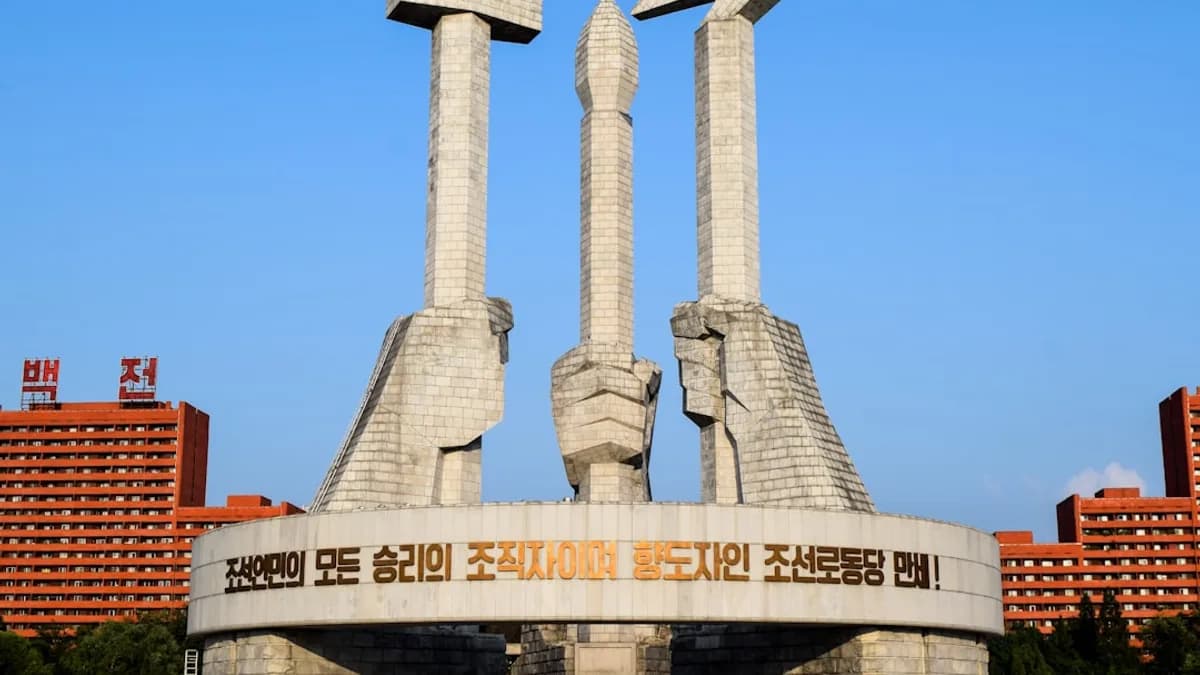
Introduction: Contextualizing North Korea's Recent Missile Launches
North Korea has once again thrust itself into the global spotlight with a series of short-range ballistic missile launches toward the sea, marking another chapter in its long history of weapons testing [Source: Source]. According to South Korean officials, the North fired multiple missiles, including what may have been a submarine-launched variant, with leader Kim Jong-un personally supervising the exercises from a naval destroyer [Source: AP News]. These launches come at a particularly tense moment for global security, coinciding with the ongoing conflict involving Iran and rising hostilities across the Middle East [Source: CNBC]. The timing is hardly accidental: North Korea’s actions are a clear signal to regional powers and the international community that it remains a formidable and unpredictable player in the security landscape of East Asia. This opinion piece will examine not only the immediate consequences but also the broader geopolitical implications of Pyongyang’s latest display of military power.
North Korea's Strategic Intentions Behind the Missile Tests
The motivations behind North Korea’s decision to conduct multiple missile launches at this juncture are multifaceted. At its core, the tests serve as a demonstration of military capability and deterrence. Pyongyang has a history of using such launches to remind the United States, South Korea, and Japan of its ability to disrupt regional stability at will [Source: abcnews.com]. In the context of stalled denuclearization talks and persistent sanctions, these missile tests are a calculated move to reinforce North Korea’s bargaining position.
The choice of short-range ballistic missiles, rather than longer-range options, is significant. These weapons are specifically designed to target South Korean and US military assets in the region, underscoring Pyongyang’s focus on immediate threats and its intent to maintain leverage over its neighbors. The act of Kim Jong-un personally overseeing the launches from a naval destroyer adds a layer of symbolism. It projects an image of direct leadership and military prowess, reinforcing the regime’s narrative of strength and control [Source: AP News]. This public display is likely intended to bolster domestic support and intimidate adversaries, especially as North Korea faces growing economic pressures and international isolation.
By staging these tests amid heightened tensions elsewhere in the world, North Korea is also capitalizing on global distractions. The ongoing conflict involving Iran has drawn much of the West’s attention, creating an opportunity for Pyongyang to advance its agenda with less immediate scrutiny or response. In sum, these missile launches are both a tactical and strategic maneuver—aimed at signaling resolve, deterring intervention, and shaping regional dynamics to North Korea’s advantage.
Implications for Regional Security and International Relations
North Korea’s latest missile launches further inflame an already volatile security environment on the Korean Peninsula and in East Asia. Each test not only raises the risk of accidental escalation but also undermines diplomatic efforts aimed at peace and denuclearization. For South Korea and Japan, the launches are a stark reminder of their vulnerability and the persistent threat posed by Pyongyang’s evolving missile capabilities [Source: The Japan Times].
The implications extend beyond immediate military concerns. North Korea’s actions complicate ongoing diplomatic initiatives, rendering progress in denuclearization talks more elusive. The regime’s willingness to flaunt its weapons arsenal—especially with the possible inclusion of submarine-launched missiles—signals a determination to maintain and expand its deterrent, regardless of international pressure [Source: Source]. This posture makes it harder for the United States and its allies to justify easing sanctions or offering concessions, as any perceived weakness could embolden Kim Jong-un further.
Moreover, the launches may prompt neighboring countries to reassess their own security strategies. South Korea, for instance, is likely to strengthen its missile defense systems and consider closer military cooperation with the US and Japan. Japan, which has historically relied on American security guarantees, may revisit its defense posture and explore new ways to counter North Korea’s growing arsenal. China, while officially advocating for stability and dialogue, faces its own dilemma: it must balance its desire to avoid regional chaos with its reluctance to pressure Pyongyang too harshly.
The ripple effects of North Korea’s provocations are felt across the broader international community. Each missile test erodes trust and makes it harder for countries to engage constructively with the regime. The risk is not merely that of a military confrontation, but of a diplomatic stalemate that perpetuates insecurity and heightens the danger of miscalculation. As North Korea continues to assert itself with increasingly sophisticated weaponry, the need for coordinated and effective responses grows ever more urgent.
The Broader Geopolitical Context: Linking North Korea and Iran
The timing of North Korea’s missile launches—coinciding with heightened tensions surrounding Iran—underscores the interconnectedness of global security challenges. Both regimes face sustained pressure from the United States and its allies, and both have sought to assert their independence through military demonstrations [Source: CNBC]. While there is no concrete evidence of direct coordination, the parallel actions of North Korea and Iran reflect a broader pattern: regimes under threat from Western powers often resort to displays of force as a means of signaling resolve and deterring intervention.
There is also the possibility of strategic alignment, if not formal cooperation, between North Korea and Iran. Both countries have faced extensive sanctions and diplomatic isolation, and both have developed robust missile programs in defiance of international norms. The mutual emboldening effect is clear: each regime’s actions serve to reinforce the other’s narrative of resistance and self-reliance [Source: Source]. This dynamic complicates US and allied policy, as efforts to address one challenge may inadvertently strengthen the other.
The broader geopolitical context is thus one of rising uncertainty and complexity. The simultaneous provocations from North Korea and Iran stretch the capacity of the international community to respond effectively. They also expose vulnerabilities in the existing security architecture, underscoring the need for more nuanced and comprehensive strategies. For the United States, in particular, the challenge is to balance immediate responses with longer-term efforts to restore stability and deter further escalation. North Korea’s missile tests are not merely a regional issue; they are a symptom of deeper fissures in the global order.
Opinion: The Need for a Measured Yet Firm Response
In light of these developments, a measured yet firm response is essential. Knee-jerk reactions—whether in the form of punitive sanctions or military posturing—risk exacerbating tensions and closing off avenues for diplomacy. Conversely, a response that is too weak may embolden North Korea and encourage further provocations. The challenge is to strike a balance between credible deterrence and constructive engagement.
Diplomatic engagement remains a critical tool. Despite North Korea’s belligerence, history has shown that dialogue can yield incremental progress, especially when backed by coordinated international pressure. The United States and its allies should continue to pursue multilateral talks, leveraging both carrots and sticks to encourage Pyongyang to return to the negotiating table. At the same time, maintaining robust military readiness and clear red lines is necessary to prevent miscalculation and ensure that North Korea understands the consequences of further escalation.
Policy measures should also address the underlying drivers of North Korea’s behavior. Humanitarian support, economic incentives, and security guarantees could play a role in reducing the regime’s sense of isolation and insecurity. However, such measures must be contingent on tangible steps toward de-escalation and denuclearization. The international community should also strengthen regional cooperation, particularly among South Korea, Japan, and China, to present a united front and share intelligence, resources, and diplomatic leverage.
Ultimately, the goal should not be to punish North Korea for its actions, but to create conditions for sustainable peace and stability. This requires patience, persistence, and a willingness to adapt strategies as circumstances evolve. The risks of escalation are real, but so too are the opportunities for progress—if responses are calibrated and coordinated. The stakes are high, and the consequences of failure could be severe. A measured, firm, and multifaceted approach is the best path forward.
Conclusion: Navigating a Complex Security Environment
North Korea’s recent missile launches are a stark reminder of the enduring challenges facing the international community in maintaining peace and security. The tests, conducted amid global turmoil and regional uncertainty, highlight the regime’s determination to assert itself and shape the strategic environment to its advantage [Source: Source]. As tensions rise across East Asia and the Middle East, the need for strategic patience and multilateral cooperation has never been greater.
Addressing North Korea’s provocations requires more than just immediate responses; it demands sustained international attention, nuanced policy measures, and a commitment to dialogue and deterrence. The situation is complex, but not intractable. By working together and maintaining a balanced approach, the world can navigate these challenges and prevent further destabilization. The path ahead will be difficult, but the stakes—regional stability and global security—make the effort indispensable.