Introduction: Unprecedented Drought Conditions Across the U.S.
A record-breaking drought is gripping the United States, sparking deep concerns about wildfires, water shortages, and rising food prices. According to federal weather data, nearly half of the U.S. population is now living in areas officially designated as being in drought, marking one of the most widespread dry spells in recent memory. The most severely affected regions include large portions of the West, Southwest, and Midwest, with states like California, Texas, and Kansas facing particularly dire conditions. Meteorologists, firefighters, and public officials are sounding the alarm about the far-reaching impacts of this crisis, underscoring the urgent need for preparedness and conservation as the nation heads into the typically hot and dry summer months [Source: Source].
Scope and Severity of the Drought
The scale and intensity of the current drought are both historic and concerning. Data from the U.S. Drought Monitor indicates that approximately 46% of the continental U.S. is experiencing moderate to exceptional drought conditions—the highest proportion since at least 2012. This year’s drought is notable not only for its breadth but also for the severity of water deficits in critical regions. For example, the Southwest is enduring its driest period in over a century, with precipitation levels in some areas less than half of the seasonal average.
The agricultural heartland across the Midwest is also suffering, with states such as Iowa, Nebraska, and Missouri reporting substantial rainfall deficits. Water levels in major reservoirs like Lake Mead and Lake Powell have dropped to record lows, threatening water supplies for millions. Comparisons with previous droughts reveal a worrying trend: while past events were often confined to certain regions or lasted for shorter periods, the current drought is both widespread and persistent, signaling a shift in baseline climate patterns [Source: Source].
Experts point out that climate change is amplifying the frequency and duration of extreme drought events. Warmer temperatures accelerate evaporation, reduce snowpack, and make it increasingly difficult for soils and reservoirs to retain moisture. “What we’re seeing now is not just a cyclical dry spell, but a new normal that’s reshaping how communities across the country manage water and respond to climate threats,” said a climate scientist quoted by AP News [Source: Source].
Implications for Wildfires
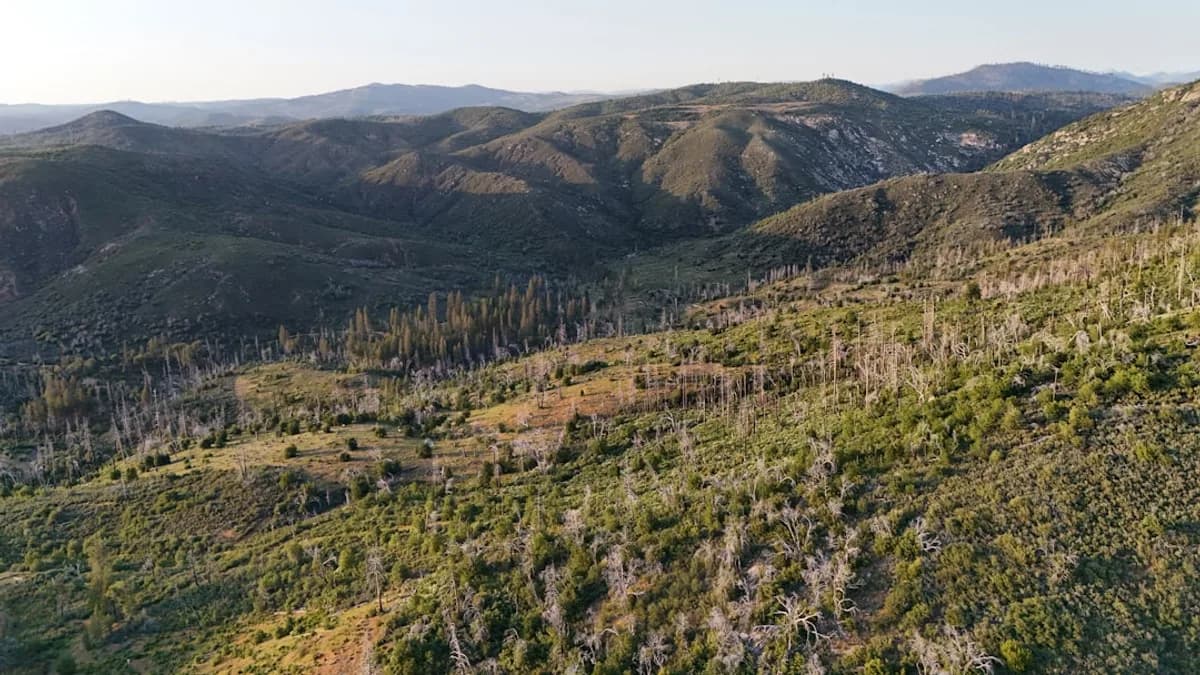
Drought conditions are a well-documented driver of increased wildfire risk, and this year is no exception. Parched vegetation, low humidity, and persistent winds create an environment ripe for rapid fire ignition and spread. Wildfire activity has already begun to surge in drought-stricken states such as New Mexico, Arizona, and California. In recent weeks, several large blazes have scorched thousands of acres, destroying homes and prompting evacuations [Source: Source].
Fire management agencies are issuing urgent warnings about the heightened danger in the months ahead. Many communities are implementing bans on outdoor burning and ramping up public awareness campaigns. The National Interagency Fire Center has placed much of the West under elevated wildfire alerts, citing the combination of dry conditions and high temperatures forecasted for the summer [Source: Source].
Preparedness efforts include pre-positioning firefighting resources, conducting controlled burns to reduce fuel loads, and investing in early detection systems. However, authorities caution that even these measures may be overwhelmed if the drought persists and fire weather intensifies.
Impact on Water Supply and Management
Municipal and agricultural water supplies are under intense strain as drought conditions deepen. Cities reliant on surface water from reservoirs and rivers are facing tough choices, including implementing mandatory restrictions on outdoor watering, raising rates, and encouraging conservation. In some communities, water agencies have announced plans to curtail deliveries or tap into emergency reserves.
Farmers are feeling the pinch as well, with irrigation allocations slashed across major agricultural regions. Many are fallowing fields or switching to less water-intensive crops in a bid to conserve dwindling supplies. Groundwater, often a last resort during surface water shortages, is being pumped at unsustainable rates, raising alarms about long-term aquifer depletion [Source: Source].
Reservoirs in the Colorado River Basin—critical for supplying water to tens of millions across the West—have fallen to unprecedented levels, prompting interstate negotiations on how to share the limited resource. Experts warn that, without significant rainfall in the coming months, some communities could face severe shortages and even water rationing [Source: Source].
Consequences for Food Prices and Agriculture
Agriculture is among the sectors hardest hit by the drought, with far-reaching consequences for food production and prices. Reduced water availability has led to lower yields for staple crops such as corn, wheat, and soybeans, while livestock producers are grappling with parched pastures and high feed costs. The ripple effect is already being felt at grocery stores, where prices for fresh produce, grains, and meat are climbing [Source: Source].
Nationally, the U.S. Department of Agriculture has projected a decline in crop output for several key commodities, raising concerns about food security and inflation. Global markets are also watching closely, as the U.S. is a major exporter of grains and other agricultural products. Shortfalls in American production could drive up prices worldwide, compounding existing supply chain challenges.
Farmers and ranchers are responding by adopting more efficient irrigation methods, investing in drought-tolerant crop varieties, and seeking federal assistance programs. Agricultural organizations are lobbying for emergency aid and long-term infrastructure investments to build resilience against future droughts. “We’re doing everything we can to adapt, but the reality is that water is our lifeblood, and there’s just not enough to go around right now,” said a farmer quoted by CBS News [Source: Source].
Forecast and Outlook for the Summer
Meteorologists warn that the outlook for the coming summer remains uncertain but worrisome. Long-range forecasts from the National Weather Service suggest that above-normal temperatures and below-average rainfall are likely to persist across much of the drought-affected regions. This could exacerbate already critical water shortages and further heighten wildfire risks [Source: Source].
While some areas may see isolated relief from occasional storms, experts caution that a sustained shift in weather patterns would be needed to significantly improve conditions. In the absence of such a shift, the drought is expected to linger or worsen, especially in the West and Midwest. Authorities are urging residents to prepare for continued restrictions and to prioritize water conservation at home and in businesses [Source: Source].
Conclusion: Urgency and Call for Action
The ongoing drought represents a critical threat to communities, economies, and ecosystems across the United States. With risks mounting for wildfires, water shortages, and food price spikes, experts are calling for a coordinated response from all levels of government, industry, and the public. Now more than ever, individuals are encouraged to stay informed, heed official warnings, and adopt water-saving practices to help weather this unprecedented challenge [Source: Source].