Introduction: Rising Tensions in the Middle East Amid US-Iran Standoff
The Middle East stands on a knife edge, as a fresh round of brinkmanship between the United States and Iran threatens to unravel fragile diplomatic progress. In the past week, the US seizure of an Iranian vessel has reignited a cycle of escalating threats and uncertainty, putting the region—and global markets—on high alert [Source: Source]. Iran’s subsequent wavering on whether to engage in new peace talks has only deepened the fog of uncertainty. With a crucial cease-fire deadline fast approaching, the world faces a stark question: will leaders in Washington and Tehran choose dialogue, or will tit-for-tat provocations push both countries closer to open conflict? The stakes, as always, extend far beyond the Gulf, touching energy prices, global security, and the delicate equilibrium of international alliances.
Analyzing Iran’s Ambiguous Stance on Diplomatic Talks
Iran’s mixed signals about joining peace negotiations are more than mere indecision—they reflect a complex and calculated diplomatic dance. On the one hand, Iranian officials have publicly stated there is “no decision” on attending upcoming talks, even as US delegations prepare to depart for discussions [Source: Source]. At the same time, Tehran’s refusal to definitively rule out participation suggests an intentional strategy: keep adversaries guessing, maintain leverage, and avoid appearing weak to domestic audiences.
This ambiguity is not new in Iranian foreign policy. For decades, Tehran has used strategic opacity—alternating between engagement and resistance—to maximize its bargaining power. The current moment is particularly sensitive. Internally, Iran is navigating a volatile political landscape. Hardliners, emboldened by recent gains in parliament and the security apparatus, are skeptical of Western overtures, viewing negotiations as a potential trap. Reformists and moderates, meanwhile, understand the economic and diplomatic costs of perpetual confrontation but face diminishing influence.
Iran’s leadership is also under intense pressure to project strength following the US seizure of one of its ships, which many in Tehran view as a direct affront to national sovereignty [Source: Source]. In this environment, sending mixed messages serves two purposes: it buys time for internal consensus-building and signals to both domestic and international audiences that Iran will not be coerced into talks on unfavorable terms.
Yet this approach carries risks. Prolonged ambiguity can be misread as intransigence, prompting adversaries to escalate or miscalculate. The delicate balance between signaling openness and maintaining leverage is increasingly difficult to sustain as deadlines loom and external pressures mount.
US Actions and Their Role in Escalating or De-escalating the Crisis
The US decision to seize an Iranian vessel exemplifies Washington’s reliance on both coercive diplomacy and visible shows of force. Such actions often serve multiple purposes: demonstrating resolve to allies, sending deterrent signals to adversaries, and shaping the diplomatic playing field. However, they also risk hardening positions on the other side and triggering an unpredictable cycle of retaliation [Source: Source].
Recent rhetoric from US leadership has only heightened tensions. Renewed threats, reminiscent of the Trump administration’s “maximum pressure” campaign, have reintroduced a confrontational tone just as back-channel diplomacy had started to gain traction [Source: Source]. This oscillation between engagement and saber-rattling complicates the search for common ground. For regional actors, it also raises doubts about the consistency and reliability of US commitments.
To be effective, US policy must strike a careful balance. Military posturing can deter aggression and reassure partners, but it must be paired with credible diplomatic off-ramps. History shows that overreliance on sanctions and shows of force, without parallel diplomatic engagement, rarely produces sustainable solutions. The Iran nuclear deal of 2015, for example, was only possible because pressure was coupled with a clear pathway to negotiation and sanctions relief.
At this critical juncture, the US risks undermining its own objectives if it pushes too hard without offering Iran a face-saving exit ramp. The challenge is not merely tactical but strategic: how to address legitimate security concerns while avoiding the kind of escalation that could draw the region—and the world—into a broader conflict.
The Broader Geopolitical Context and Risks of Renewed Conflict
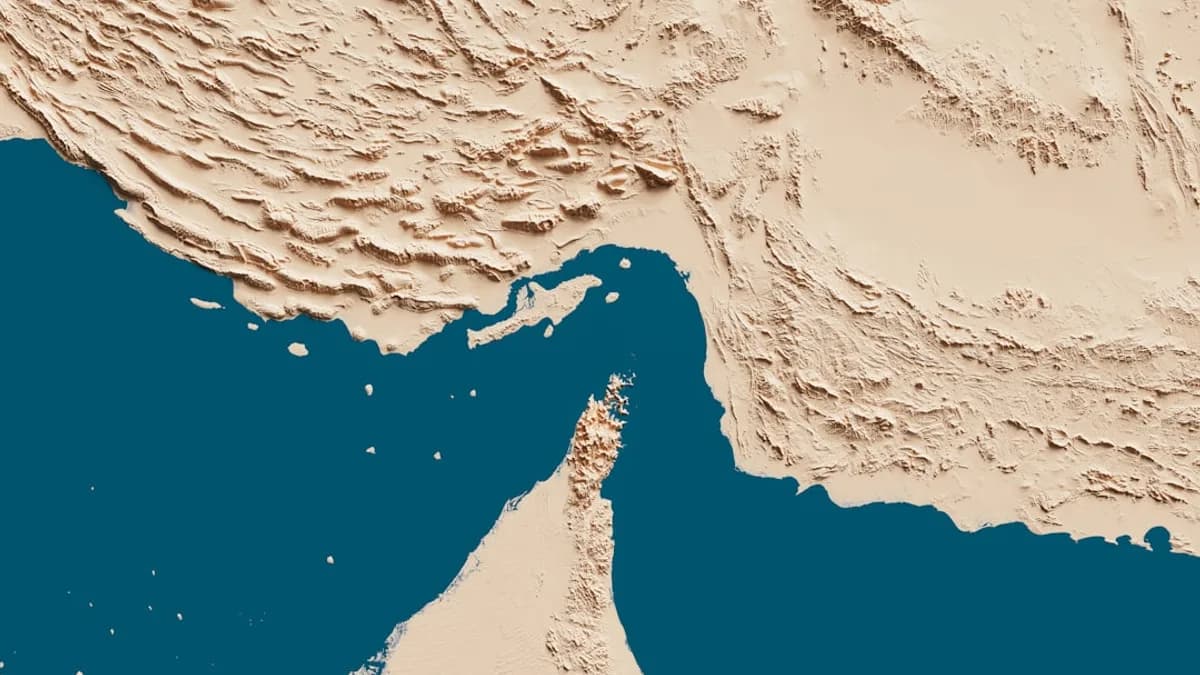
The current crisis cannot be understood in isolation. US-Iran tensions ripple across a region already scarred by proxy wars, shifting alliances, and fragile cease-fires. Gulf states like Saudi Arabia and the United Arab Emirates, longtime rivals of Tehran, watch developments anxiously, aware that escalation could spill over into their own borders or disrupt vital energy flows.
Israel, which views Iranian influence as an existential threat, has stepped up its warnings and military readiness, while non-state actors aligned with Iran—such as Hezbollah in Lebanon and various militia groups in Iraq—stand ready to exploit any vacuum or conflict [Source: Source]. Meanwhile, global powers like Russia and China see opportunities to expand their influence, often playing both sides to maximize their own strategic interests.
The risk of miscalculation is acute. In the past, seemingly isolated incidents—like the downing of a drone or the detention of a tanker—have rapidly escalated into broader confrontations. Today’s standoff unfolds against a backdrop of ceaseless instability: ongoing war in Yemen, the unresolved crisis in Syria, and economic turmoil exacerbated by sanctions and declining oil revenues.
This pattern of instability is not new. Since the 1979 Iranian Revolution, cycles of confrontation and uneasy détente have defined the regional order. Yet each episode leaves the diplomatic terrain more scarred, making future breakthroughs harder to achieve. What is different now is the degree of interconnectedness: disruptions in the Gulf reverberate instantly through oil markets, global supply chains, and political discourse from Brussels to Beijing.
Opinion: Why Genuine Dialogue Is Crucial to Avoiding War
At a moment when the risk of miscalculation has rarely been higher, the need for sincere, sustained dialogue between the US and Iran is urgent and undeniable. Both sides have legitimate grievances and security concerns. But history demonstrates that escalation—whether through sanctions, ship seizures, or rhetorical threats—only entrenches mistrust and narrows the path to peace.
Unfortunately, both Tehran and Washington are falling into familiar traps. Iran’s strategy of ambiguity and brinkmanship may serve short-term tactical goals, but it undermines the trust needed to reach durable agreements. By signaling both openness and defiance, Iran risks appearing unreliable, making it easier for hardliners abroad to argue against engagement.
The US, for its part, too often conflates pressure with progress. The seizure of Iranian assets and the ratcheting up of threats may play well domestically or reassure nervous allies, but they also risk cornering Iranian leaders, making it politically impossible for them to come to the table without major concessions [Source: Source]. The result is a diplomatic stalemate that serves no one’s long-term interests.
To break this cycle, both sides must move beyond posturing. For Iran, that means providing clear and public signals of its willingness to engage in meaningful talks, even if initial conditions are imperfect. For the US, it means pairing pressure with credible incentives—such as phased sanctions relief, security guarantees, or third-party mediation—to make dialogue politically viable for Iranian leaders.
Confidence-building measures, however modest, could have an outsized impact. Past crises have been defused through prisoner swaps, back-channel communications, or temporary freezes on provocative actions. Multilateral frameworks involving European, Russian, or even Gulf actors could help lower the temperature and build momentum toward broader negotiations.
Ultimately, the lesson from decades of US-Iran confrontation is clear: durable peace cannot be imposed; it must be built on mutual recognition of interests and a willingness to compromise. The current window for diplomacy may be narrow, but the alternative—another cycle of escalation, with all its attendant risks—is far worse.
Conclusion: Navigating Uncertainty Toward a Path of Peace
The US-Iran standoff has again brought the region to a perilous crossroads. As both sides weigh their next moves, the risk of miscalculation and unintended conflict looms large. Yet history also shows that even in moments of deep distrust, dialogue is possible—and necessary. International stakeholders, from the UN to key regional powers, must redouble efforts to support and facilitate diplomatic engagement.
The coming weeks will test the resolve and wisdom of leaders in Washington, Tehran, and beyond. While the path forward is fraught with uncertainty, the imperative is clear: only by choosing communication over confrontation can the region—and the world—avoid another devastating war. The chance for peace remains, if leaders are bold enough to seize it.