Deadly Shooting at Mexico’s Teotihuacan Pyramids Shocks Tourists and Authorities
A tranquil afternoon among Mexico’s iconic Teotihuacan pyramids turned tragic on Saturday when gunfire erupted, leaving a Canadian woman dead and at least four others wounded. The attack, which shattered the serenity of one of Latin America’s most visited archeological sites, sent shockwaves through the local community, tourists, and authorities alike. Emergency responders raced to the scene, tending to the injured and swiftly securing the area as panicked visitors sought shelter among the ancient stone structures [Source: Source].
The Teotihuacan pyramids, a UNESCO World Heritage site that draws millions of tourists each year, have long stood as a symbol of Mexico’s rich cultural heritage and a relatively safe haven for international visitors. This rare act of violence—occurring in broad daylight and in the heart of a major tourist destination—not only left victims and witnesses stunned but also raised urgent questions about security at the country’s treasured landmarks. As news of the shooting spread, both Mexican officials and foreign governments scrambled to respond, underscoring the fragile balance between open access to cultural sites and the imperative to protect those who visit them.
Details of the Incident: Timeline and Victim Information
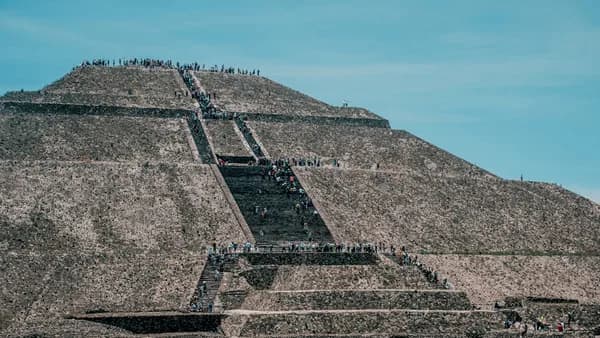
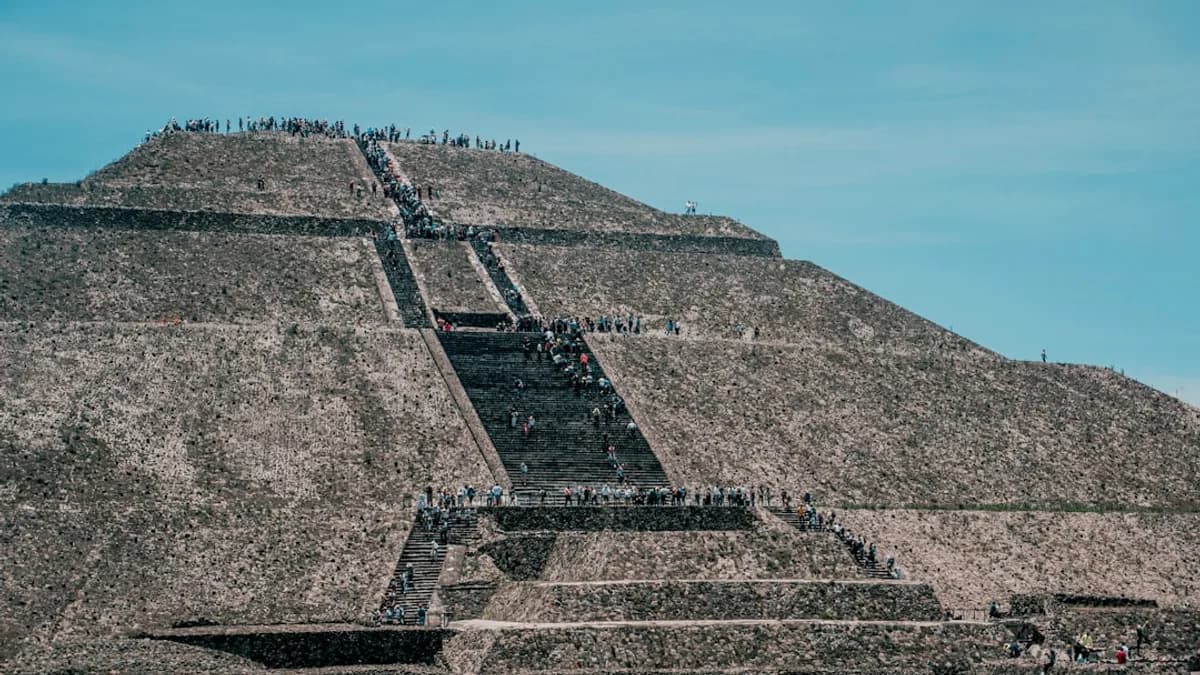
According to initial reports, the shooting unfolded on Saturday afternoon as crowds of visitors explored the vast archeological zone northeast of Mexico City. Witnesses described sudden chaos as gunshots rang out near the base of the famed Pyramid of the Sun, sending throngs of tourists running for cover behind ancient stone walls and museum structures [Source: Source].
Authorities confirmed that a Canadian woman was fatally shot at the scene. At least four other people—including tourists and possibly local guides—sustained gunshot wounds of varying severity. While early reports cited six injured, official statements have since clarified the number to four, though the situation remains fluid as investigations continue [Source: Source].
Paramedics and security personnel responded within minutes, providing first aid before transporting the wounded to nearby hospitals. Local media have reported that the injured include both Mexican nationals and at least one other foreign visitor, though their identities and nationalities have not yet been publicly disclosed. As of Sunday morning, the conditions of the wounded ranged from stable to critical, with medical teams working to stabilize the most severely injured.
The rapidity of the response has been credited with preventing further casualties in a location that, on weekends, can see thousands of visitors. However, the randomness of the attack and the lack of immediate clarity on the motive have deepened fears among tourists and locals alike, who are grappling with the aftermath of an event that has upended perceptions of safety at one of Mexico’s most revered destinations.
Security Measures and Official Statements Following the Attack
In the hours following the shooting, Mexico’s security cabinet and local law enforcement agencies moved quickly to secure the Teotihuacan site and reassure the public. The archeological zone was temporarily closed to visitors as forensic teams combed the area for evidence and authorities launched a manhunt for the perpetrator, who reportedly fled the scene amid the chaos [Source: Source].
In an official statement, the Mexican government condemned the violence and pledged full support for the victims and their families. The security cabinet emphasized its commitment to restoring safety at national heritage sites, promising a thorough investigation and enhanced patrols throughout the Teotihuacan complex in the coming weeks. Local authorities, meanwhile, coordinated with federal agencies to review existing security protocols, including the deployment of additional surveillance and monitoring systems.
As of Sunday, no suspect had been identified or apprehended, and officials have not released information regarding a possible motive. Investigators are examining whether the attack was targeted or an act of random violence, and are working to determine if there are any connections to organized crime or other security threats in the region. The uncertainty surrounding the incident has only heightened concerns, prompting calls for greater transparency and swift action from law enforcement.
Impact on Tourism and Safety Concerns at Mexico’s Historic Sites
The shockwaves from the shooting at Teotihuacan extend far beyond the local community. Tourism operators, travel agencies, and government officials are now grappling with the potential fallout for Mexico’s reputation as a global travel destination. Teotihuacan, situated just outside the capital, is one of the country’s top tourist attractions, known for its monumental pyramids and rich pre-Columbian history. It welcomes more than two million visitors annually, many of them international tourists [Source: Source].
Historically, Mexico’s major archeological and cultural sites have remained relatively insulated from the violence that plagues some parts of the country. Incidents involving tourists are rare, and the government has invested heavily in promoting these sites as safe, family-friendly destinations. However, this latest attack threatens to undermine those efforts, raising concerns about whether open-access heritage sites can remain secure in a country where broader security challenges persist.
In the immediate aftermath, several foreign governments updated their travel advisories, urging caution for those visiting Teotihuacan and other popular Mexican landmarks. Some travel agencies have reported an uptick in cancellations or requests for information about safety measures, reflecting heightened anxiety among would-be travelers. Industry experts warn that even isolated incidents can have an outsized impact on tourism, as perceptions of risk often drive travel decisions more than official statistics.
The economic implications are significant. Tourism is a pillar of the Mexican economy, accounting for around 8% of GDP and supporting millions of jobs. A sustained downturn in visitor numbers—particularly from high-spending international tourists—could ripple through local businesses and communities that rely on the steady flow of visitors to sites like Teotihuacan. The challenge now is restoring confidence while ensuring that similar tragedies do not occur in the future.
Analysis: Broader Implications of Violence at Cultural Heritage Sites
The shooting at Teotihuacan raises uncomfortable but essential questions about the security of cultural heritage sites worldwide. These open-air museums, by their very nature, are designed to be accessible and inviting—qualities that also make them vulnerable to acts of violence or other security breaches. Striking the right balance between openness and safety is a perennial challenge for site managers, especially in regions grappling with broader issues of crime or instability.
Globally, there have been precedents: the 2015 Bardo Museum attack in Tunisia, which left 22 dead, and the 2017 attack near Egypt’s Giza Pyramids, both served as tragic reminders that even the most iconic tourist sites are not immune to violence. In each case, the aftermath prompted governments to reevaluate security protocols, invest in surveillance, and in some cases, restrict access—often at the expense of visitor experience and local livelihoods.
For Mexico, the stakes are particularly high. The country’s rich tapestry of archeological wonders is a cornerstone of its cultural diplomacy and soft power. Incidents like the one at Teotihuacan risk not only deterring tourists but also straining diplomatic relations with countries whose citizens are affected. The killing of a Canadian tourist, for example, is likely to prompt calls for bilateral cooperation on security and could influence travel patterns for years to come.
From a policy perspective, the path forward will require nuanced solutions. Blanket restrictions or heavy-handed security measures can undermine the very appeal of heritage sites, deterring visitors and disrupting the delicate ecosystem that supports both preservation and tourism. Instead, experts advocate for targeted interventions: enhanced training for local security forces, discreet surveillance technology, improved coordination with international law enforcement, and greater engagement with local communities to foster vigilance without resorting to militarization.
Critically, these incidents also highlight the need for crisis preparedness and rapid response capabilities. The swift action by emergency responders at Teotihuacan likely prevented a greater tragedy, underscoring the value of investing in training and infrastructure that can mitigate the impact of unforeseeable events. For site managers and policymakers, the lessons are clear: security must be integrated into every aspect of heritage management, from visitor flow design to staff training and international cooperation.
Conclusion: Ongoing Investigation and the Path Forward for Teotihuacan
As investigations continue into the deadly shooting at Teotihuacan, the focus remains on bringing the perpetrator to justice and supporting those affected by the violence. Mexican officials have pledged to bolster security at the site and work closely with international partners to address broader concerns about tourist safety [Source: Source].
For the community around Teotihuacan—and for Mexico’s tourism sector as a whole—the road to recovery will require both vigilance and resilience. Restoring confidence in the country’s cultural landmarks will depend not only on robust security measures but also on transparent communication and a renewed commitment to the values that make sites like Teotihuacan treasures of the world. As visitors and authorities look ahead, the hope is that lessons learned from this tragedy will help ensure that Mexico’s heritage remains a source of pride, discovery, and safe enjoyment for generations to come.