Introduction: The Sudden Demolition of Miami’s Iconic Mandarin Oriental Hotel
Miami’s skyline underwent a dramatic transformation as the Mandarin Oriental Hotel, a landmark on the exclusive Brickell Key, was demolished in a swift, under-20-second implosion. For years, the 23-story luxury hotel tower had been synonymous with elegance, hosting celebrities, major events, and serving as a cornerstone of the city’s hospitality scene. The building’s sudden disappearance has captured widespread attention, with locals and visitors alike sharing videos and reactions to the breathtaking speed and visual spectacle of its demolition [Source: Source]. As news outlets reported live from the scene, the event marked not only the end of an era for Miami’s Brickell Key but also sparked curiosity about the future of this prized waterfront location.
Details of the Implosion Event
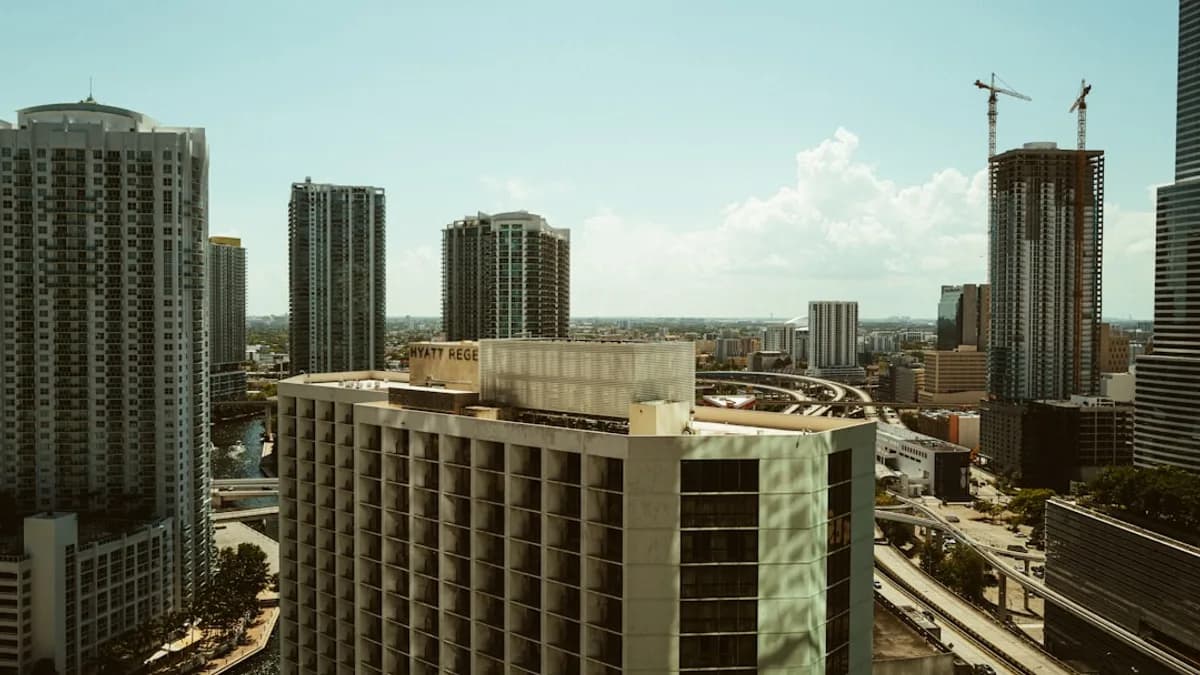
Before its demolition, the Mandarin Oriental Hotel stood as a striking 23-story structure, offering panoramic views of Biscayne Bay and the Miami skyline. Its architectural prominence was matched by its reputation for luxury accommodations and fine dining. On the morning of the implosion, city officials cordoned off the surrounding streets and the bridge leading to Brickell Key, ensuring public safety and clear access for demolition crews [Source: Source].
The demolition itself was a carefully orchestrated event. As the countdown began, a series of controlled explosions were triggered throughout the building’s core support columns. Within seconds, the hotel collapsed inward, disappearing from the cityscape in an astonishingly brief span of under 20 seconds. Spectators, both in person and online, watched as a massive dust cloud billowed over the island, temporarily obscuring views and enveloping neighboring structures. The visual impact was striking: a once-familiar landmark reduced to rubble, leaving behind an open plot and lingering haze.
In the immediate aftermath, emergency teams assessed the site for structural stability and environmental hazards. Nearby streets, bridges, and pedestrian access points remained closed as crews worked to clear debris and monitor air quality. The city’s swift response aimed to minimize disruption and ensure the safety of residents, workers, and bystanders. The implosion was broadcast live by multiple news outlets, underscoring the event’s significance and drawing attention from viewers worldwide [Source: Source].
Preparations Leading Up to the Implosion
The demolition of the Mandarin Oriental Hotel was the result of months of meticulous planning and engineering. Specialized teams conducted structural assessments, mapped out explosives placement, and developed a comprehensive timeline to minimize risks and maximize efficiency. Coordination with city officials and law enforcement was critical, as the hotel’s location on Brickell Key required special logistical arrangements—particularly concerning traffic rerouting and public safety [Source: Source].
Ahead of the implosion, residents and businesses in the vicinity received detailed notifications outlining street closures, bridge access restrictions, and evacuation recommendations. Local news outlets provided frequent updates, helping to manage expectations and reduce confusion during the event. Demolition experts emphasized the importance of dust control, deploying water cannons and containment barriers to limit airborne particulates and protect nearby properties.
Environmental considerations played a central role in the planning process. Crews implemented dust mitigation strategies and monitored air quality, ensuring compliance with city and state regulations. Officials assured the public that all hazardous materials had been safely removed from the site before demolition, and that ongoing monitoring would continue throughout the cleanup phase. Statements from city leaders praised the professionalism of the demolition teams and highlighted the collaborative effort required to execute such a high-profile implosion safely [Source: Source].
Significance and Future Implications
The Mandarin Oriental Hotel was not just a building—it was a symbol of Miami’s rise as a global destination for luxury tourism, business events, and cultural gatherings. Its presence on Brickell Key contributed to the area’s exclusive reputation, providing a hub for visitors and residents alike. The hotel’s demolition marks a significant moment in the city’s history, prompting reflection on its legacy and future development [Source: Source].
While official reasons for the demolition have yet to be fully disclosed, industry speculation points to evolving real estate dynamics and the need for modernized infrastructure. Brickell Key has become increasingly attractive to developers seeking to capitalize on waterfront views and proximity to downtown Miami. The removal of the hotel opens the door to new possibilities—ranging from residential towers to mixed-use complexes that align with the city’s growth and urban renewal strategies.
City officials and developers have signaled intentions to redevelop the site, though specific plans remain under wraps. Community leaders are calling for transparent discussions and opportunities for public input, given the hotel’s cultural significance and the potential impact on Brickell Key’s identity. The economic implications are substantial: redevelopment could bring new jobs, increased property values, and enhanced amenities, but also raises concerns about preserving the area’s character and accessibility.
For many Miami residents, the implosion represents both loss and opportunity—a chance to reimagine one of the city’s most prominent locales while honoring its storied past. As redevelopment plans emerge, stakeholders will be watching closely to ensure that the next chapter for Brickell Key upholds the standards and spirit that made the Mandarin Oriental Hotel a landmark [Source: Source].
Conclusion: Reflecting on the End of an Era and What Lies Ahead
The under-20-second implosion of the Mandarin Oriental Hotel stands as a milestone in Miami’s ongoing transformation. The event’s dramatic visuals, extensive safety measures, and immediate effects have left a lasting impression on the city and its residents. As Brickell Key enters a transition phase, anticipation builds around future development and the broader implications for Miami’s urban landscape. The city’s resilience and adaptability will be tested once again as plans for the site unfold. Readers are encouraged to stay tuned for updates as new details about redevelopment and community impact emerge, marking the beginning of a new era for one of Miami’s most coveted neighborhoods [Source: Source].