Introduction: Unpacking the Tragic Deaths of U.S. Officials in Mexico
Two U.S. officials were killed in Mexico when their car crashed after a drug lab raid, and Mexico says it was not told about the operation ahead of time. The men worked for the CIA and were helping fight drug crime in Chihuahua, a northern state known for cartel activity. Mexico’s government, especially Mexico City’s new leader Claudia Sheinbaum, now wants answers. She and President Andrés Manuel López Obrador say this situation is troubling. They point out that sharing information and working together is supposed to be the norm, not the exception. This tragedy raises tough questions about trust, teamwork, and how the U.S. and Mexico handle dangerous drug operations—especially when lives are lost and secrets come to light [Source: Google News].
The Incident and Immediate Aftermath: What We Know So Far
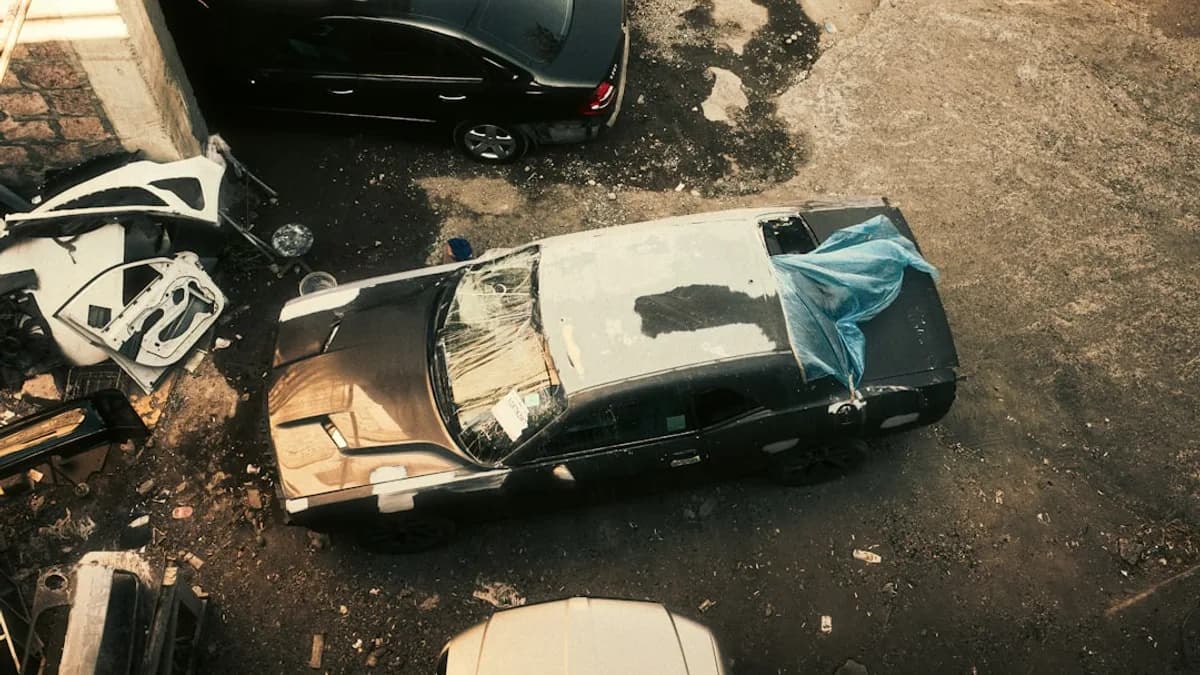
The accident happened after a raid on a drug lab in Chihuahua. Two CIA officers who took part in the counternarcotics mission died when their car crashed. Early reports say the crash happened as they traveled between locations linked to the operation, but details remain unclear. Mexican officials, including Sheinbaum, reacted strongly. They said Mexico was not informed about the operation or the deaths until after the fact. Sheinbaum demanded a full explanation, saying, “We were not informed.” The Mexican president also asked for an official report from the U.S. embassy.
The U.S. government gave brief statements, expressing sadness for the loss and promising to cooperate with Mexico. They did not share much about the mission or why Mexico was left out of the loop. Chihuahua’s state leaders said they would help with any investigation and reminded everyone that cross-border operations need clear rules. Both sides seem eager to avoid a diplomatic fight, but the silence around the details has made many people uneasy [Source: Google News].
Diplomatic Fallout: The Strain on U.S.-Mexico Relations
Mexico’s anger comes from feeling left in the dark. When two foreign agents die after a secret mission, it is natural for the host country to ask, “Why weren’t we told?” Mexico has a history of pushing back when the U.S. operates on its soil without permission. The last time something similar happened was in 2020, when a former Mexican defense minister was arrested in the U.S. without warning. That led to months of tense talks and new rules for information sharing.
Drug violence affects both countries, but trust is key. The U.S. often wants to keep missions quiet for safety, but Mexico sees it as disrespect. Without good communication, joint work suffers. Mexico may now rethink how much it lets U.S. agents inside its borders. This could slow down counternarcotics efforts, as both sides need each other to fight powerful drug cartels.
Transparency matters. When the U.S. and Mexico keep secrets, it hurts future teamwork. If one side feels ignored or unsafe, it may pull back or demand tighter controls. That would help the cartels, who thrive when governments are divided. The challenge is finding a balance—protecting agents while also respecting the host country’s rights. Otherwise, every tragedy could weaken the partnership both countries depend on [Source: Google News].
Operational Secrecy vs. Sovereignty: Balancing Intelligence Missions and Respect for Host Nations
Covert missions in foreign countries are tricky. Agencies like the CIA often keep plans secret to protect their officers and the operation. But leaving the host country out can cause big problems. In Mexico, national pride and sovereignty are important. Many people still remember when outsiders meddled in their politics or security. Letting foreign agents run missions without sharing details can feel like a slap in the face.
The U.S. faces a tough choice: share the risks and plans with Mexico, or go solo and hope nothing goes wrong. This incident shows what can happen when things go wrong. If Mexico had known about the mission, maybe local police could have helped or warned about road dangers. Maybe the crash could have been avoided. Or maybe the mission would have been safer for everyone.
Respect matters. When the U.S. runs secret operations, it needs to build trust with Mexico. That means more than just saying sorry after a tragedy. It means working together from the start—planning, sharing, and listening. Both countries have strong reasons to fight drug crime, but ignoring sovereignty can make things worse. Past cases show that host countries often respond with new laws, tighter rules, or restrictions on foreign agents. That slows down teamwork and gives criminals an edge. The lesson: secrecy can save lives, but it can also risk the partnership needed to fight crime [Source: Google News].
Broader Implications for U.S. Counternarcotics Strategy in Latin America
The crash in Chihuahua is not just a local problem. It shows bigger issues in how the U.S. fights drug crime across Latin America. For years, the U.S. has sent agents, money, and equipment to help countries like Mexico, Colombia, and Peru. Sometimes, these efforts work. Other times, they spark anger or mistrust.
Drug cartels in Latin America are strong and well-armed. To beat them, the U.S. needs help from local governments. But when missions are kept secret, trust breaks down. This accident could push Mexico to demand new rules for U.S. agents. They may want more oversight, reports, or even limits on what American officers can do.
The U.S. may also need to rethink its playbook. More joint planning, clear communication, and respect for partners could become the new standard. In Colombia, for example, the U.S. learned that working closely with local police helped build trust and get better results. In Mexico, a more open approach could lead to safer missions and fewer tragedies.
This incident is a wake-up call. If the U.S. wants to fight drug crime in Latin America, it must listen to its partners. That means sharing information, respecting local laws, and being honest about risks. The old way—secret missions, limited sharing—may not work anymore. Cartels are watching, and so are local leaders. The fight against drugs is a team effort, and every mistake risks breaking that team apart [Source: Google News].
Conclusion: Toward Greater Accountability and Cooperation in U.S.-Mexico Security Efforts
The deaths of two U.S. officials after a secret drug lab raid in Mexico show how much is at stake when trust and teamwork falter. Mexico’s demand for answers is not just about this accident—it’s about respect, safety, and the future of joint security work. Both countries share the same enemy: drug cartels. But to win, they must share information, plan together, and respect each other’s rules.
Moving forward, the U.S. and Mexico need clearer communication and real accountability. Secret missions may save time, but open planning saves partnerships. If both sides can learn from this tragedy—by being honest, careful, and respectful—they can build a stronger, safer fight against drug crime. The stakes are high, but so is the chance to do better. This is a moment for leaders to step up and make sure teamwork, not secrecy, guides their next moves [Source: Google News].
Why It Matters
- The deaths of U.S. officials highlight the risks involved in cross-border drug enforcement operations.
- Mexico's demand for answers exposes gaps in communication and trust between the two governments.
- This incident could strain U.S.-Mexico cooperation on counternarcotics, affecting future joint actions.